





Wellness That Matters: Black Health News & Community Care
- Fish high in mercury: avoid; can harm infant brain development, affecting motor skills, visual-spatial awareness, and speech.
- Caffeinated drinks: limit coffee, tea, soda, and chocolate; caffeine passes into milk causing infant irritability and sleep problems.
- Alcohol: abstain while breastfeeding; it peaks in milk after drinking and can disrupt infant sleep and development.
Breastfeeding is an important part of an infant’s life. It provides optimal nutrition that provides antibodies that protect them from illnesses. For mothers, it helps in bonding with the child, postpartum recovery, and reduces the risk of diseases such as cancer. Due to these dynamics, nursing mothers should be careful about how they eat at this stage. So, these are the foods to avoid while breastfeeding.
Foods to Avoid While Breastfeeding
Breastfeeding is a joyous but delicate process. Therefore, you should know what to consume to protect your child’s health.
Become an insider. Subscribe to our newsletter for more top trending stories like this!
Also Read: 4 Types of Skin Cancer Explained: Signs, Diagnosis, Treatment and Prevention
Fish High in Mercury
While fish is nutritious, providing omega-3 fatty acids that are helpful in brain development, some can be high in mercury, making them toxic for infants and kids. This can damage their brain development and inhibit development in certain areas such as fine motor skills, visual-spatial awareness, and speech and language development.
Caffeinated Drinks

Coffee, tea, soda, and chocolate contain caffeine, and any consumption will end up in the baby’s breast milk. This will be problematic because babies aren’t able to break down complex compounds, hence their accumulation leads to sleeping problems and irritability. Generally, mothers can have up to three cups of coffee or tea daily, but they should seek the doctor’s permission.
Also Read: What Causes Cervical Cancer? Everything You Must Know About This Terminal Illness
Highly Processed Food
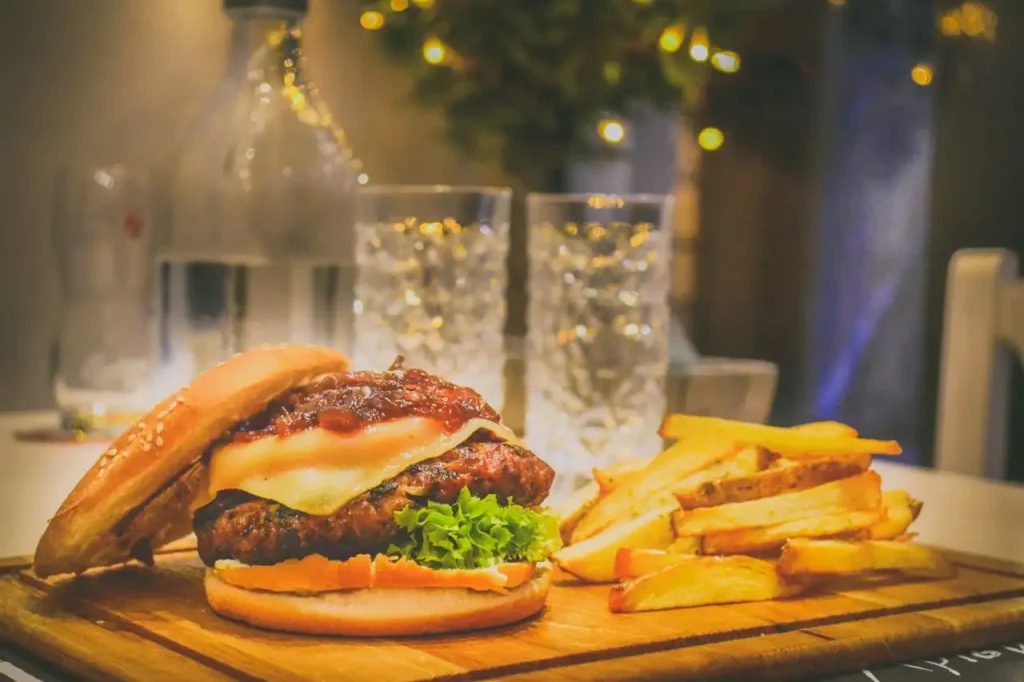
This is fairly obvious. However, some mothers say they have constant cravings for sugary and salty foods during their pregnancy and post-partum. However, these foods are high in calories, unhealthy fats, and added sugars that don’t add any value to you or the child. Moreover, the foods a mother eats, research shows, might affect the taste of a child later in life.
Join our Spotcovery Global Black Community Facebook Group for early access to exclusive content and to share in a lively discussion.
Alcohol

Abstinence from alcohol is the safest option for breastfeeding mothers because it’ll end up in your breast milk. Research shows that alcohol peaks 30 to 60 minutes after your last drink and takes about 2 to 3 hours to get away of the system. This habit will affect the development milestones of your child, leading to disrupted sleep patterns, delay in psychomotor skills, and even cognitive delay later in life.
Become an insider. Subscribe to our newsletter for more top trending stories like this!
Some Herbal Supplements
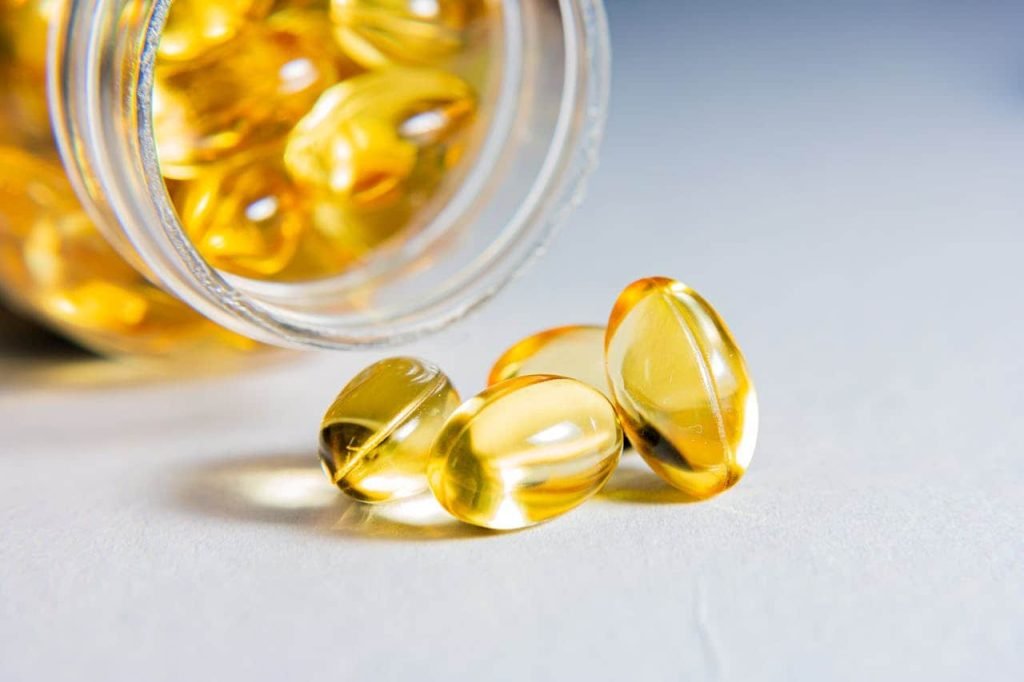
Many people think any supplement is good for their health. However, when breastfeeding, you need to be careful about which supplements you take. Due to their lack of regulation, it can be difficult to know what’s good and bad. Hence, before you take any, get advice from your doctor.
Also Read: Childhood Cancer Awareness Month: 7 Facts You Need to Know
Gasy Foods
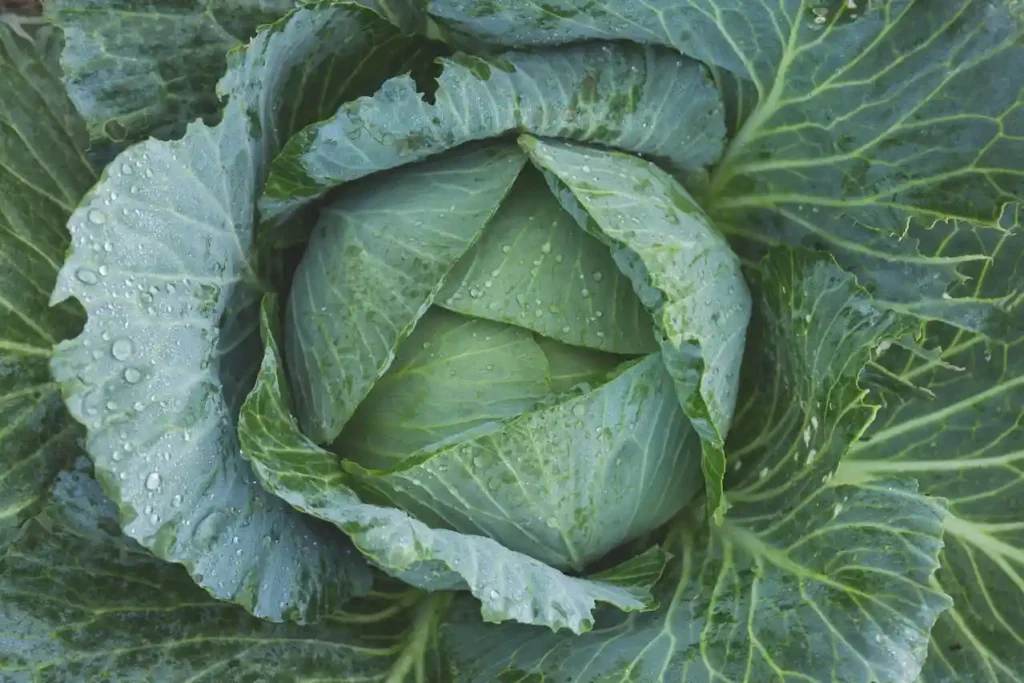
If eating vegetables or legumes leaves you gassy, it might create a reaction in your baby. Additionally, if your baby is gassy from what they’re eating, avoid any foods that will increase this reaction.
Rethink What You Eat When Breastfeeding
So, what foods to avoid while breastfeeding? The above meals should be avoided when breastfeeding to ensure you protect you and your child are protected. It’s a delicate process, and when handled poorly, it can affect your child’s life later. When you’re unsure of what to take, always consult your doctor.
Nearly 80% of consumers visit directories with reviews to find a local business. List your business for free in our exclusive Spotcovery Black-Owned Business Directory.
Spotcovery offers unique and fresh daily content on Black culture, lifestyle, and experiences. We talk about everything black, black people, black-owned and black-owned businesses. We also deliver authentic and relevant content that will inform, inspire, and empower you! The future of black media is critical to today’s black experience! Our primary audience includes African Americans, Africans, Afro-Caribbean, and people of African heritage. Black culture is for the culture!
Become an insider. Subscribe to our newsletter for more top trending stories like this!
Read the full article on the original site
