




From Hollywood to Home: Black Voices in Entertainment
- Jay-Z's three-decade catalog cements him as a defining hip-hop figure, reflecting ambition, survival, success, and artistic evolution.
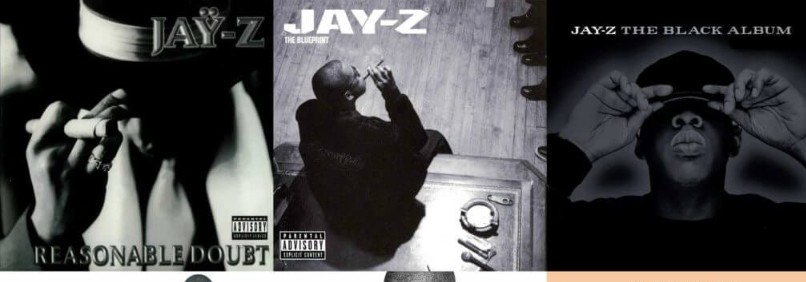
- Reasonable Doubt remains the blueprint; tracks like Dead Presidents II, Can I Live, and Brooklyn's Finest defined cinematic storytelling.
- Landmark albums like The Blueprint and The Black Album, plus anthems such as Empire State of Mind, ensured global, era-defining impact.
ICYMI, Jay-Z returned to Yankee Stadium for a special celebration of Reasonable Doubt, but the bigger story remains the catalog that has carried him from a Brooklyn newcomer in 1996 to one of the most influential figures in hip-hop history.
The three-night “JAŸ-Z 30” residency kicked off July 10, 2026, with Jay-Z honoring the 30th anniversary of his debut album by performing the project in its entirety. The opening night featured appearances from Beyoncé, Nas, Blue Ivy Carter, Alicia Keys, Jaz-O, and Memphis Bleek, adding to a celebration of an album that became the foundation for one of rap’s greatest careers.
When it comes to the discography that keeps reminding us that Jay belongs in the GOAT conversation, his legacy stretches far beyond one record.
Across nearly three decades, Jay-Z has built a discography filled with street narratives, introspective moments, crossover anthems, and some of the most technically respected performances in hip-hop. His body of work includes 14 Billboard No. 1 albums and a collection of songs that have helped define different eras of the genre.
Reasonable Doubt remains the blueprint. “Dead Presidents II” introduced listeners to Jay’s cinematic approach to storytelling, while “Can I Live” is still widely regarded as one of his strongest lyrical performances, offering a detailed look into the mindset of a young Shawn Carter chasing success. “Brooklyn’s Finest” featuring The Notorious B.I.G. also stands as one of the most important collaborations in rap history, bringing together two Brooklyn legends during a pivotal moment for the culture.
Jay-Z continued expanding his reach with “Where I’m From,” a gritty reflection of his upbringing in Brooklyn’s Marcy Projects, before delivering “Hard Knock Life (Ghetto Anthem),” the global hit that helped push him into superstar territory. “Big Pimpin’” added another dimension to his sound, blending Timbaland’s production with Jay’s larger-than-life presence.
The early 2000s brought another peak with The Blueprint. “Takeover” became one of hip-hop’s most analyzed diss records, while “U Don’t Know” showcased his confidence and unmatched ability to command a track. The album also featured “Song Cry,” one of his most vulnerable records, revealing the emotional weight behind the lifestyle he often portrayed.
The Black Album delivered more classics with “99 Problems” and “Public Service Announcement (Interlude),” while “Empire State of Mind” featuring Alicia Keys became an anthem permanently tied to New York City. Years later, “Niggas in Paris” with Ye proved Jay-Z could still create culture-shifting moments on a global scale.
From street corners to stadiums, Jay-Z’s music has remained a reflection of ambition, survival, success, and evolution. Three decades into his career, his catalog continues to serve as one of hip-hop’s most complete examples of longevity and impact.
Read the full article on the original site
