




Global Black Voices: News from around the World
- 59th year: festival showcases masquerade, calypso, soca, steelpan music, dance and Caribbean cuisine during the August long weekend.
- King and Queen Showcase on July 30 features Mas bands unveiling elaborate handcrafted costumes competing for top festival titles.
- Pan Alive (Panorama) on July 31 showcases steel orchestras from across the GTA performing before thousands of spectators.
- Grand Parade on August 1 sees thousands of masqueraders dance along Lake Shore Boulevard at Exhibition Place to soca and steelpan.
- Founded in 1967 for Canada’s Centennial, the festival celebrates Caribbean heritage and generates hundreds of millions for Ontario’s economy.
Toronto is once again transforming into the cultural capital of the Caribbean as the 2026 Toronto Caribbean Carnival, widely known as Caribana, takes over the city with nearly a week of parades, music, food and celebrations expected to draw hundreds of thousands of visitors from across Canada, the Caribbean and around the world.
Now in its 59th year, the festival remains the largest Caribbean cultural celebration in North America and one of Toronto’s signature summer events. Running through the August long weekend, the carnival showcases the rich traditions of the Caribbean through masquerade (Mas), calypso, soca, steelpan music, dance and cuisine.
The festivities officially begin with the King and Queen Showcase on July 30, where Mas bands unveil elaborate handcrafted costumes competing for the festival’s top titles. The celebration continues with Pan Alive (Panorama) on July 31, featuring steel orchestras from across the Greater Toronto Area performing before thousands of spectators.
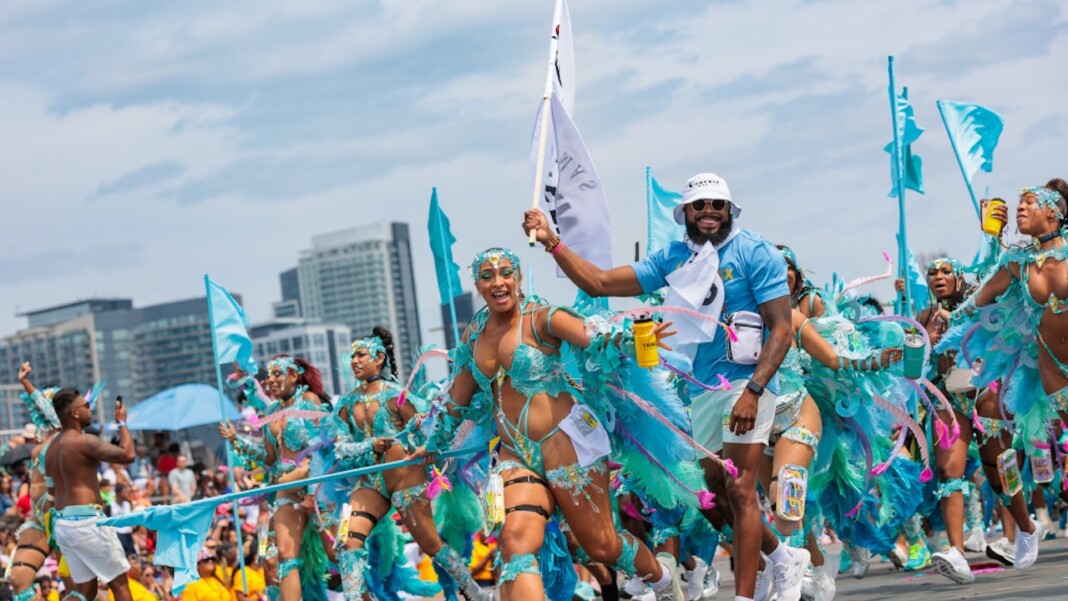
The highlight of the carnival is the Grand Parade on Saturday, August 1, when thousands of masqueraders dressed in dazzling feathered and jeweled costumes will dance along Lake Shore Boulevard at Exhibition Place to the sounds of soca, calypso and steelpan music. The parade is expected to attract enormous crowds, continuing a tradition that has become one of the city’s most recognizable annual events.
Throughout Carnival Week, Toronto will host dozens of related events, including J’ouvert celebrations, boat cruises, concerts, all-inclusive fêtes, family activities, cultural exhibitions and food festivals, offering visitors an immersive Caribbean experience beyond the parade itself.
This year’s entertainment lineup features several of the Caribbean’s biggest performers, including Bunji Garlin, Voice, Nailah Blackman, Destra Garcia, Allison Hinds, Farmer Nappy and Tallpree, underscoring the festival’s reputation as one of the premier showcases for Caribbean music outside the region.
Originally created in 1967 as part of Canada’s Centennial celebrations by members of Toronto’s Caribbean community, Caribana has grown into an internationally recognized festival that celebrates the heritage and contributions of Caribbean immigrants while generating significant economic activity for the city. Today, it attracts visitors from across North America and beyond, with tourism officials estimating that the festival contributes hundreds of millions of dollars to Ontario’s economy each year.
For many Caribbean nationals living abroad, the carnival is more than a festival—it is a celebration of identity, heritage and community. Visitors can experience the traditions of countries including Jamaica, Trinidad and Tobago, Barbados, Guyana, Haiti, Grenada, St. Lucia and Antigua and Barbuda, all represented through music, costumes, dance and culinary traditions.
As Toronto comes alive with the colors, rhythms and flavors of the Caribbean, this year’s carnival once again highlights the enduring influence of Caribbean culture on one of the world’s most diverse cities, reinforcing Caribana’s status as a global celebration of Caribbean pride and creativity.
Read the full story from the original publication
