




Black Athletes in the Spotlight: HBCU Sports & Local Highlights
- Tickets typically cost $35 to $60 with no fees; the Savannah Bananas pay taxes so the displayed price is final.
- High demand created a lottery: hundreds of thousands enter; winners chosen randomly and can buy up to five tickets per game.
- Resellers still access tickets, resell for $500 or more, and many secondary sales are fake, leaving fans denied entry and losing money.
- After a year and hundreds of thousands spent, the Savannah Bananas built a secondary platform selling authentic tickets at primary-market prices without capturing extra revenue.
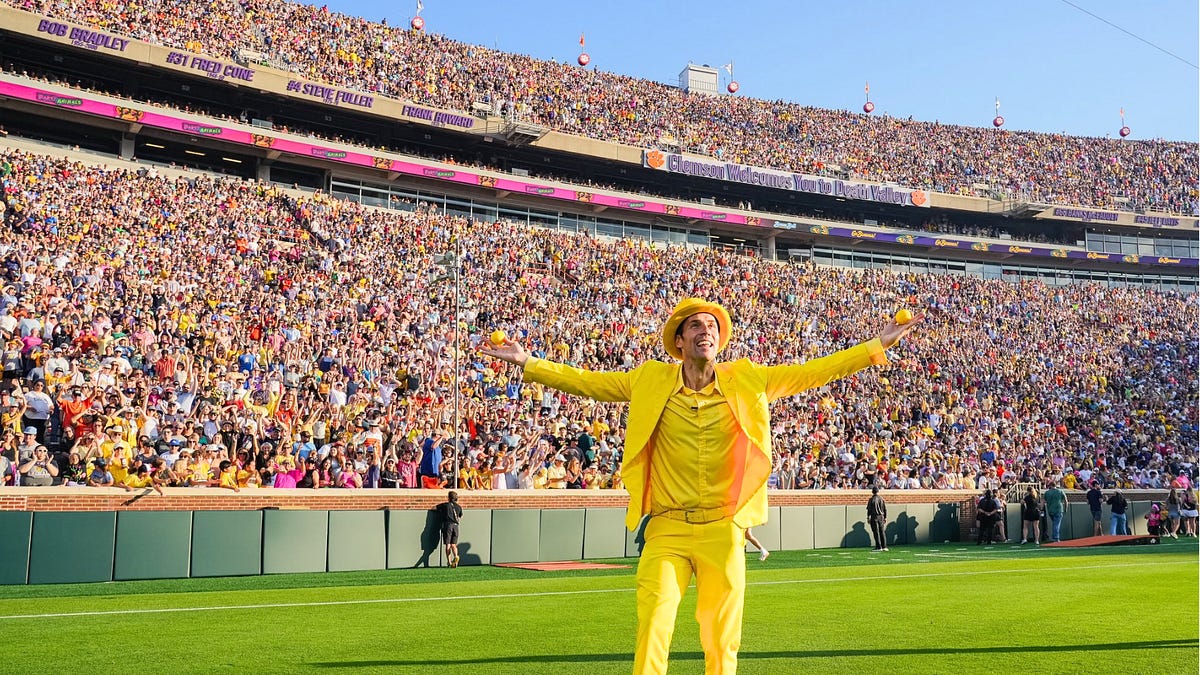
The Savannah Bananas are attempting to solve one of the most complicated problems in sports by launching their own verified secondary ticketing platform.
For those unaware, the Bananas have always offered cheap tickets. You can usually get into a game for $35 to $60. There are no fees, and they even pay the taxes for you, meaning the price you see on the screen is the exact price you pay.
But with demand increasing over the years, the only fair way to distribute tickets was to introduce a lottery. Hundreds of thousands of fans enter the lottery for each game. Winners are chosen at random, and, if selected, you can only purchase up to five tickets per game. This lowered the incentive for professional resellers because not only did you have to win the lottery, but even if you did, you could only purchase five tickets, drastically lowering the economic incentive to do so.
But this didn’t eliminate the problem entirely. Resellers still occasionally got their hands on tickets, and those tickets would often hit the secondary market for $500 or more. And even if you buy a ticket for 10 times its face value, many of these tickets turn out to be fake. Fans get denied entry at the gate and lose $500 or more.
This is why the Bananas took it a step further. The Bananas spent a year (and hundreds of thousands of dollars) building a secondary ticketing platform for fans. They didn’t raise any money or increase ticket prices, and they don’t capture any additional revenue from the platform. They just want to help fans buy authentic tickets at the same price they sell them for on the primary market.
Here’s how it works:
Read the full article on the original site
