




From Hollywood to Home: Black Voices in Entertainment
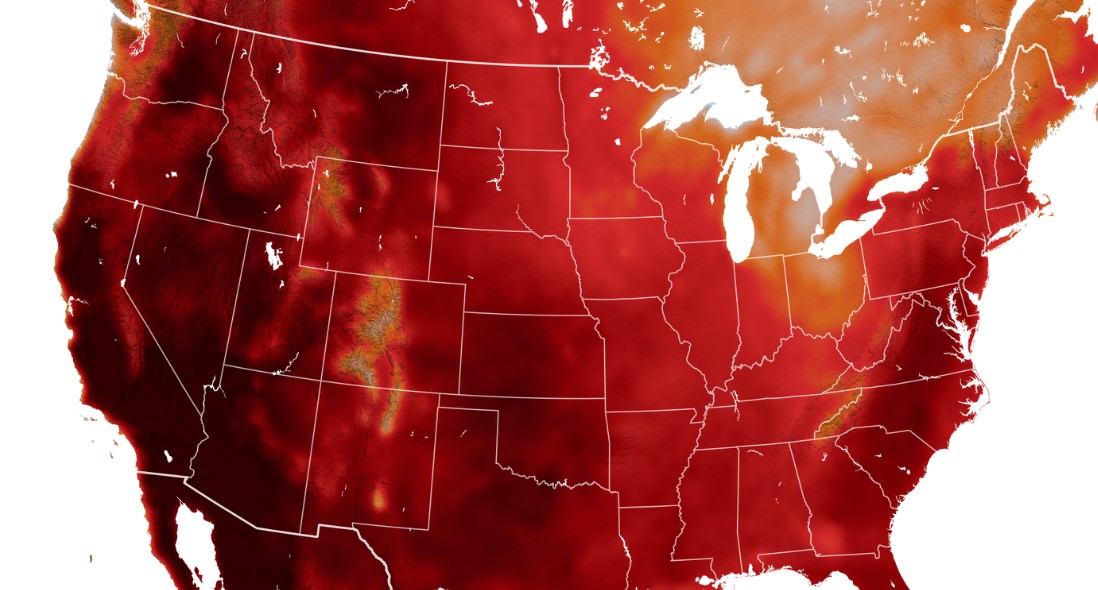
- NOAA reported a record national July average of 76.9°F, making July 2024 the hottest July ever recorded.
- Every state experienced above-average temperatures as prolonged heat domes settled over large portions of the country.
- The West faced severe wildfires, health warnings, and dozens of cities recording one of their five warmest Julys.
- Extreme temperatures became the deadliest weather hazard in the US, causing more annual deaths than hurricanes, tornadoes, and floods.
- Warmer air holds about 7 percent more moisture per 1°C, fueling humidity and flash floods; Copernicus Climate Change Service ranked July among the warmest.
July delivered another brutal reminder of just how extreme America’s summers have become.
NOAA reported an average temperature of 76.9°F across the contiguous United States, making July 2024 the hottest July ever recorded nationally and surpassing the previous mark set all the way back in 1936. Every state experienced above-average temperatures as prolonged heat domes settled over large portions of the country.
The West took some of the hardest hits. Wildfires tore through dry landscapes while cities issued health warnings as dangerous temperatures lingered. Dozens of western cities experienced one of their five warmest Julys ever recorded.
Heat is becoming a major public health concern too. Extreme temperatures now rank as the deadliest weather-related hazard in the United States, responsible for more deaths annually than hurricanes, tornadoes and floods combined.
The atmosphere itself is also changing the equation. Warmer air can hold roughly 7 percent more moisture for every 1°C increase in temperature, creating conditions capable of producing oppressive humidity and severe flash flooding.
The larger global picture remains equally intense. Copernicus Climate Change Service data released in August 2026 ranked July 2026 among the warmest Julys ever measured globally. Ocean temperatures outside the polar regions reached a record July average of 20.96°C, or 69.73°F.
Western Europe has endured its own punishing stretch, including drought, major wildfires, strained energy infrastructure and extreme temperatures across France, Spain, Germany and Italy.
Meteorologist Chris Martz has questioned the reliance on adjusted temperature data in evaluating long-term records. The broader measurements continue to show increasingly frequent heat extremes across multiple regions, adding another chapter to a summer defined by fires, dangerous temperatures and unusually warm oceans.
Read the full article on the original site
