




Food & Beverage News: Insights, Safety, and Dining Trends
- Give herbs several hours of direct sunlight daily; use a south-facing window for indoor plants like basil.
- Start with soil that offers good drainage and containers that let excess water escape to prevent root rot.
- Check soil moisture before watering; press a finger into the topsoil and water only when it begins to dry.
- Give each plant enough room; avoid crowded containers so roots and light reach lower leaves; consider mature size of rosemary.
- Harvest before flowering and cut above nodes to encourage regrowth; take only what you will use to keep plants productive.
Fresh, homegrown ingredients make almost any meal taste better, assuming the plants producing them are healthy enough to deliver good flavor. Growing herbs at home may look easy, but weak sunlight or poor watering habits can leave you with thin stems and disappointing leaves.
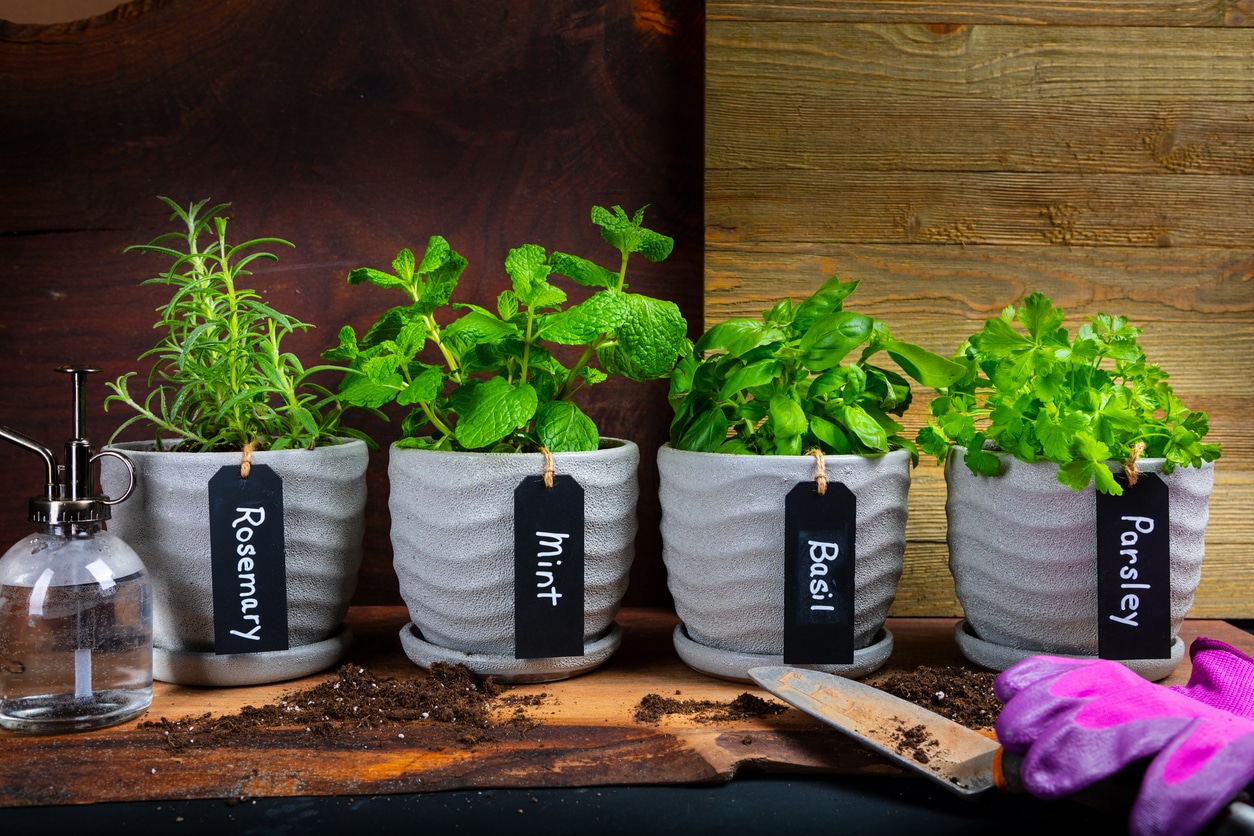
If you want to make sure you grow only the best-of-the-best herbs for your kitchen, these tips for how to grow high-quality herbs for cooking at home focus on giving each plant what it needs to produce flavorful leaves you’ll actually want to use.
Give Your Herbs Enough Direct Sunlight
Most culinary herbs need several hours of direct sunlight each day to develop dense growth and good flavor. A bright room isn’t automatically enough. If your basil sits near a window but stretches toward the glass with long spaces between its leaves, it probably wants more sun.
Watch how sunlight moves through your growing area during the day. A south-facing window gives indoor herbs a longer period of direct exposure. Outdoor herbs also need placement where nearby walls or trees don’t leave them shaded through much of the afternoon.
Start With Soil That Drains Properly
Herb roots need access to moisture without sitting in wet soil for long periods. When water collects around the roots, you may see yellow leaves or weak growth before the plant begins declining further.
Your container should let excess water escape after each watering. Garden soil needs similar drainage below the surface. Water sitting on top for several minutes after irrigation is a warning sign that drainage needs improvement. Soil with better drainage gives roots access to moisture while leaving enough air around them to support healthy growth.
Give Each Plant Enough Room
When growing herbs at home, crowding several herbs into a small container may look impressive at first, but those plants soon start competing for root space. Above the soil, tightly packed stems also block light from reaching lower leaves.
Check the mature size of each herb before deciding how many plants belong together. A small rosemary transplant won’t remain that size for long. Giving it adequate room now allows the root system to expand without running into neighboring plants.
Water According to the Soil When Growing Herbs at Home
Your herbs don’t use the same amount of water every day. Sun exposure changes how quickly moisture leaves the soil, and larger plants draw more water through their roots.
Instead of watering because Tuesday happens to be watering day, check the soil first. Press a finger into the upper layer and see whether it still holds moisture. If the soil remains damp, give the plant more time. When it begins drying at the depth recommended for that herb, water thoroughly enough to reach the roots.
Mulch Outdoor and Indoor Herbs Carefully
Many plants, both indoor and outdoor, benefit from regular mulching. The type of mulch that’s best for your herbs will vary based on where they’re growing and how much moisture the soil needs to retain, but generally, you want a light layer that protects the soil without trapping too much moisture around the plant.
Mulch reduces moisture loss and limits sudden changes in soil temperature when growing herbs at home, giving them better conditions for producing healthy leaves with fuller flavor.
RELATED: 8 Dishes That Give Home Chefs Foundational Cooking Know-How
Harvest Leaves Before the Plant Flowers
Timing changes what you get from many leafy herbs. As a plant begins putting energy into flowers and seed production, the leaves may become tougher or lose some of the flavor you wanted for cooking.
Basil is a good example. When flower buds begin appearing, harvesting before those blooms fully develop gives you leaves while their culinary flavor is still at its best. Regular harvesting also encourages many leafy herbs to produce additional growth.
You don’t need to strip the plant bare; remove enough mature growth for your recipe while leaving plenty behind.
Cut Herbs Without Damaging New Growth
Where you make each cut affects how the plant grows afterward. Snipping leaves randomly from every part of the plant may remove tender growth that hasn’t had time to mature.
For herbs that branch from nodes, cut just above a healthy node when harvesting part of a stem. The plant can then direct new growth from that area instead of leaving a long bare section behind. With herbs harvested leaf by leaf, take mature outer leaves first.
Feed Herbs Without Overfertilizing Them
Nutrients are needed when growing herbs at home, but extra fertilizer doesn’t automatically give you better leaves. Heavy feeding may push some herbs toward rapid leafy growth with weaker flavor. Too much fertilizer may also damage roots when salts accumulate in container soil.
Follow the feeding needs of the herb you’re growing instead of treating every pot the same. Herbs growing in containers eventually use the nutrients available in their potting mix, so they need periodic replenishment. If growth already looks healthy and full, adding extra fertilizer just because you have it isn’t doing the plant a favor.
Keep An Eye on Leaf Condition
Your herb leaves give you early information about growing problems. Yellowing may point toward excess water, while scorched patches near a hot window can indicate too much intense exposure during part of the day.
Don’t focus on one damaged leaf and panic. Look at the newer growth and see whether the same issue continues there. If several fresh leaves develop the same problem, review the growing condition most closely connected to that symptom. Catching a pattern early when growing herbs at home gives you time to correct the cause before much of the plant suffers.
Harvest Only What You’ll Use
A large harvest looks satisfying, but cutting far more than you need leaves the plant with less foliage for continued growth. You also risk losing some of your harvest if the extra herbs sit unused in the refrigerator.
Think about what you’re cooking before reaching for the scissors. If dinner needs a few basil leaves, take a few healthy mature leaves rather than cutting several full stems. Small harvests let you return to the plant again as new growth develops. That keeps fresh herbs available across more meals.
Better Growing Habits Lead to Better Cooking
Learning how to grow high-quality herbs for cooking at home comes down to paying attention to what each plant needs as it develops. Good light gives leafy growth the energy it needs, while careful watering protects the roots from prolonged saturation. Thoughtful harvesting keeps you from taking more growth than the plant can replace.
You don’t need a huge garden when growing herbs at home. Give your plants suitable growing conditions and pay attention to how they respond. Your reward is fresh flavor waiting nearby when it’s time to cook.
Read the full article from the original source
