




Wellness That Matters: Black Health News & Community Care
- Reactive low blood sugar occurs a few hours after a meal from overproduction of insulin, possibly signaling increased risk for diabetes.
- Nonreactive low blood sugar can stem from certain medications, excess alcohol, and disorders of the liver, heart, or kidneys.
- Low blood sugar can affect children and adults without diabetes; risk increases with other health problems, family history, or certain stomach surgery.
- Doctors must identify the underlying cause to plan treatment; raise blood sugar with complex carbohydrates like pasta, whole grains, or fruit juice.
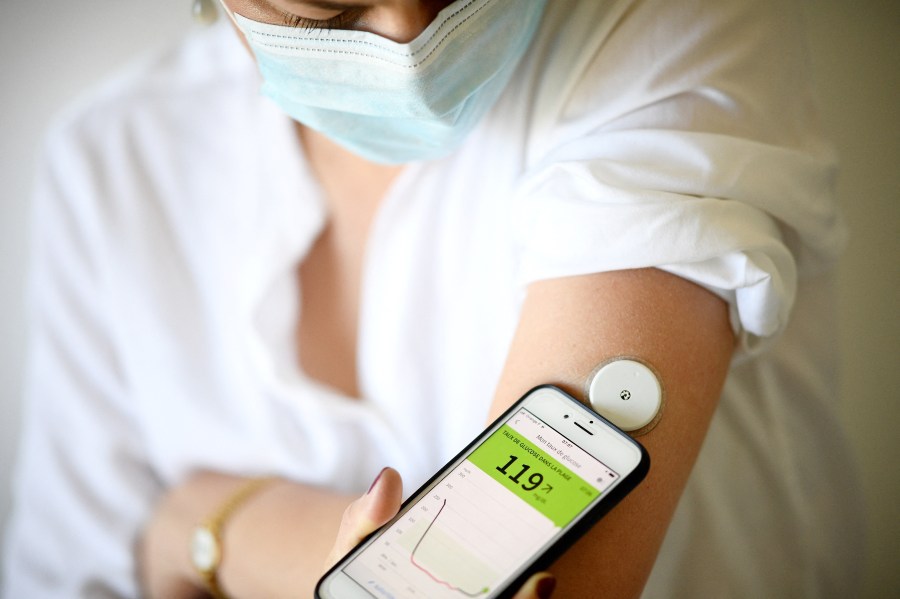
(NewsNation) — Hypoglycemia, or low blood sugar, occurs when the glucose (sugar) levels in a person’s blood are too low. While it is often associated with diabetes, it can also occur in people without it.
Low blood sugar is either reactive or nonreactive. Reactive low blood sugar can occur a few hours after a meal, and an overproduction of insulin causes reactive low blood sugar, which could mean that a person is at risk of developing diabetes.
Nonreactive low blood sugar that does not involve low blood sugar can occur from a number of different factors, like using certain medications, drinking excess amounts of alcohol, disorders that affect the liver, heart, or kidneys and anorexia nervosa.
Low blood sugar can occur in children and adults without diabetes. A person is at an increased risk of low blood sugar if they have other health problems, have a family history of diabetes or have had certain types of stomach surgery.
For a doctor to create a treatment plan for managing low blood sugar, the underlying cause must be identified. Ways to boost your blood sugar levels include eating more complex carbohydrates, such as pasta and whole grains, and drinking fruit juice.
Read the full article on the original site
