




Black Travelers: Explore Culture, Adventure & Connection
It’s not just oversized shampoo bottles or forgotten water flasks that can raise red flags at airport security. Sometimes, the things most likely to slow you down are the things you wouldn’t think twice about packing. From protein powders to stacks of books, we spoke with a Transportation Security Administration spokesperson about the everyday items that most often get flagged and what you can do to keep your trip moving smoothly.
Medically Necessary Liquids
hxyume/Getty Images
Most travelers know about liquid restrictions at TSA, but there are some exceptions that allow you to bring certain things in larger quantities. Prescription medications, baby formula, and other medical liquids are allowed in containers greater than 3.4 ounces, but they’re still among the most common reasons bags get pulled aside.
“Even though they are permitted, officers may need to screen medically necessary liquids if the quantity is greater than 3.4 ounces,” a TSA spokesperson says. “This may be the most common example [of items that are technically allowed but still flagged].”
Powders and Spices
Lamina Akulova/Getty Images
Having protein powder to fuel your workouts or packing away spices you picked up on a trip abroad might seem harmless to you, but they can raise questions at an X-ray machine. The best move is just to let officers know ahead of time.
“Transportation Security Officers appreciate when passengers alert them to unusual items, such as powders, formulas, and spices, so they might be best positioned to assist with screening before the item is found and alarms for a bag search,” the spokesperson says.
Dense or Unusual Items
Connect Images/Getty Images
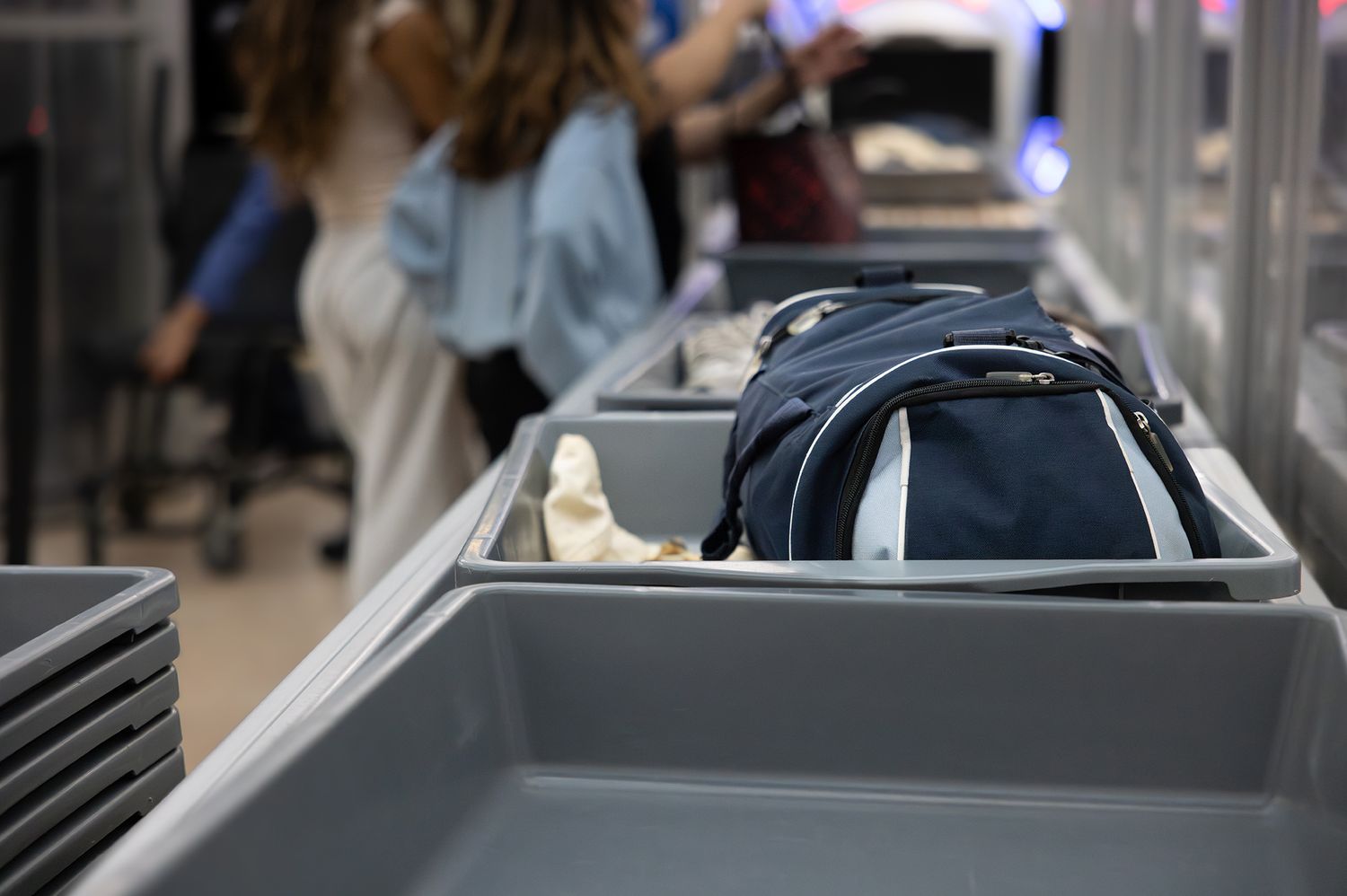
A tall stack of books, a board game, or even clusters of electronics can all appear as solid masses that warrant a closer look. TSA notes that “unpredictable screening measures” are a deliberate part of the process, so even items that seem ordinary can be flagged. One thing you can control is removing electronics larger than a cellphone in standard lanes.
“In standard screening lanes, all electronics must be removed from carry-on baggage for security screening,” the spokesperson says. “Of course, TSA PreCheck passengers can keep their electronics in their bags.”
Snow Globes and Peanut Butter
Symphonie Ltd/Getty Images
That souvenir snow globe or even jars of peanut butter could be surprise culprits. “Some snow globes contain liquids greater than 3.4 ounces and are prohibited, because of the international liquids rule,” the spokesperson says. The rule applies to anything that can be spread, spilled, sprayed, poured, or pumped, which means some items, like peanut butter, can fall into a gray area too. And yes, even though peanut butter can appear to be solid, it’s actually considered a liquid—especially by the TSA.
Prohibited Surprises
Marcus Brandt/Getty Images
Travelers are often caught off guard by items that seem innocent but aren’t permitted in carry-on bags.
“Pepper spray, bear spray, and other items that are used for personal protection or as weapons are prohibited items on commercial aircraft,” the spokesperson says. Hiking poles, golf clubs, and bats also fall into the prohibited category. If you accidentally pack one, TSA officers will give you options: check the item, return it to your car, or surrender it at the checkpoint.
Here’s how to have a smoother screening.
AzmanL/Getty Images
There are a couple of ways to minimize your chances of being pulled aside for additional screening. Start by doing your homework with TSA’s “What Can I Bring” tool on TSA.gov and in the official app, which can answer most questions before you even start packing. For real-time assistance, reach out to AskTSA via social media or text message.
If you’re carrying anything unusual, even if it’s permitted, consider giving the TSA officer a friendly heads-up. And of course, TSA PreCheck remains one of the best investments for frequent travelers, as you get to keep your shoes and electronics in your bag, and also shorter lines and more predictable screening experiences.
See the full story on the original site
