




Black Arts & Culture Feature:
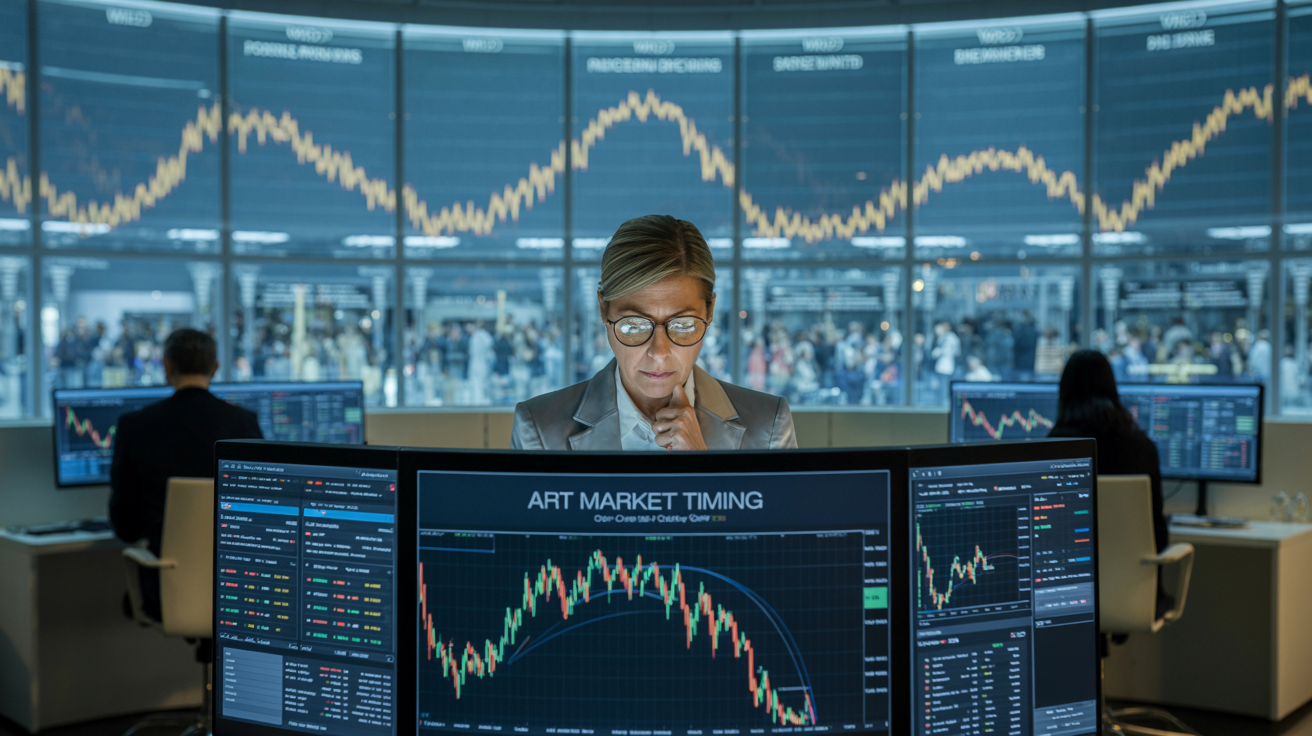
- Art cycles span 7-12 years with expansion, peak, contraction, and recovery; use historical pattern recognition to time transactions.
- Expansion phases (3-5 years) bring rising volumes, strong auction success, increased private sales, and gallery openings; ideal for disciplined acquisitions.
- Peak signals include extreme price spikes, speculative emerging artists, record auction prices, and heavy media attention; trigger disposition and capital preservation.
- Contraction phases (18-36 months) produce lower volumes, spreading price corrections, and motivated sellers; create opportunistic acquisition windows for prepared collectors.
- Art markets lag equities by 6-18 months; monitor interest rates, inflation, museum acquisitions, and auction house behavior as leading timing signals.
Understanding Art Market Cycle Fundamentals and Historical Patterns
Art markets demonstrate systematic cyclical behavior that sophisticated collectors can analyze and anticipate to optimize acquisition and disposition timing. Unlike traditional financial markets with daily price discovery, art market cycles operate over extended periods with distinct phases that create predictable opportunities for strategic market participants who understand the underlying drivers and timing patterns that characterize these cycles.
Historical Cycle Analysis and Pattern Recognition
Art market cycles typically span 7-12 years from peak to peak, with distinct phases including expansion, peak, contraction, and recovery that create systematic opportunities for strategic timing of major transactions. Historical analysis reveals that major art market peaks occurred in 1929, 1959, 1973, 1989, 2007, and 2014, with subsequent corrections ranging from 15-40% depending on category and geographic market factors.
The expansion phase typically lasts 3-5 years and features increasing transaction volume, rising prices across most categories, new collector entry, and institutional acquisition activity that creates sustained upward momentum. During expansion phases, auction success rates exceed 85%, private sales increase significantly, and new gallery openings accelerate as market confidence builds throughout the collector community and supporting ecosystem.
Peak phases demonstrate characteristic warning signals including extreme price appreciation for marginal works, speculation in emerging artists without established market history, record auction prices that exceed historical precedents by significant margins, and widespread media coverage that attracts inexperienced market participants. These peak indicators provide systematic signals for experienced collectors to begin implementing disposition strategies and capital preservation measures.
Contraction phases typically last 18-36 months and feature declining transaction volumes, price corrections that begin with speculative categories before spreading to blue-chip segments, reduced institutional buying activity, and increased supply from motivated sellers who face financial pressure or investment rebalancing requirements. Understanding contraction characteristics enables strategic acquisition planning and competitive positioning during periods of reduced competition and motivated selling.
Economic Cycle Correlation and Leading Indicators
Art market cycles demonstrate strong correlation with broader economic cycles, typically lagging equity markets by 6-18 months as collector confidence and disposable wealth respond to changes in underlying economic conditions. High-net-worth individuals, who represent the primary collector base, typically experience wealth effects from equity markets that influence art acquisition budgets and strategic allocation decisions with predictable timing patterns.
Interest rate cycles significantly impact art market performance through multiple channels including alternative investment attractiveness, financing costs for major acquisitions, and wealth effects on collector liquidity and risk appetite. Rising interest rate environments typically create headwinds for art market performance as opportunity costs increase and liquidity constraints affect collector acquisition capacity, while declining rates often stimulate increased art market activity.
Economic uncertainty and geopolitical instability create complex effects on art markets, sometimes driving demand from collectors seeking tangible asset diversification while simultaneously reducing transaction activity due to reduced confidence and liquidity constraints. Understanding these conflicting forces enables sophisticated market timing that accounts for both defensive positioning opportunities and reduced liquidity risks during uncertain periods.
Inflation cycles affect art market performance through multiple mechanisms including store-of-value demand, production cost impacts on contemporary artists and galleries, and real purchasing power effects on collector acquisition capacity. Moderate inflation often benefits art markets through store-of-value demand, while extreme inflation or deflation can create market dislocations that affect pricing and liquidity across different categories.
Category-Specific Cycle Variations and Rotation Patterns
Different art market categories demonstrate varying sensitivity to economic cycles and timing patterns that create rotation opportunities for sophisticated collectors who understand relative performance characteristics across different market segments. Contemporary art typically demonstrates the highest volatility and earliest cycle recognition, while Old Master paintings often provide more stable performance with different timing characteristics that lag contemporary market movements.
Impressionist and Modern works typically demonstrate intermediate cycle sensitivity with price stability during minor corrections but significant appreciation during expansion phases, making this category attractive for collectors seeking exposure to market cycles while managing downside risks. The established collector base and institutional demand for these categories provide stability during market stress while enabling participation in upward cycles.
Emerging contemporary artists demonstrate extreme cycle sensitivity with dramatic appreciation during expansion phases followed by severe corrections during contractions, creating both significant opportunities and risks for collectors with appropriate timing capabilities and risk tolerance. Understanding emerging artist cycle patterns enables systematic approaches to portfolio construction that capture upside potential while managing concentration risks.
Geographic market rotation patterns create additional opportunities as different regions experience varying economic conditions and collector behavior that affect local art market performance. Asian markets often demonstrate different cycle timing compared to European and American markets, creating arbitrage opportunities for collectors with global market access and timing capabilities, informed by comprehensive market segmentation analysis.
Institutional Behavior and Market Timing Signals
Museum acquisition patterns provide leading indicators of market trends as professional curators often identify emerging importance before broader market recognition develops. Systematic tracking of museum acquisitions, exhibition programming, and deaccession activities reveals institutional sentiment and strategic priorities that often precede broader market trends by 12-24 months.
Corporate collection activity and art investment fund performance provide additional timing signals as professional market participants with systematic analytical capabilities often anticipate market changes before individual collectors recognize shifting conditions. Monitoring institutional acquisition and disposition patterns enables identification of market timing opportunities and early warning signals for potential market corrections.
Auction house behavior including consignment solicitation patterns, guarantee arrangements, and marketing investment levels provides insights into market expectations and confidence levels that affect near-term performance prospects. Increased guarantee activity often signals market uncertainty while aggressive marketing investment typically indicates confidence in favorable market conditions, drawing insights from auction house strategy analysis.
Gallery expansion and contraction patterns reflect market conditions and future expectations as galleries maintain sensitive market intelligence and operational flexibility that enables rapid response to changing conditions. New gallery openings, expansion into additional markets, and increased inventory investment typically signal optimistic market expectations while gallery closures and reduced programming indicate declining confidence in market prospects.
Read more from the original source
