




Global Black Voices: News from around the World
- Caribbean Regional Strategic Framework for HIV and AIDS 2026-2030 final draft will guide the region's next phase.
- As noted by Dr. Wendy Telgt-Emanuelson, the meeting marks a pivotal juncture in the journey to eliminate AIDS as a public health threat.
- Call for sustained collaboration among governments, civil society, and partners such as UNAIDS, PAHO, CARPHA, and the Global Fund.
- Acknowledgement of Caribbean partners' resilience and creativity, urging innovation and abandonment of ineffective approaches.
- Valued presence of Chief Medical Officers and Permanent Secretaries brings essential insights for shaping policy and program decisions.
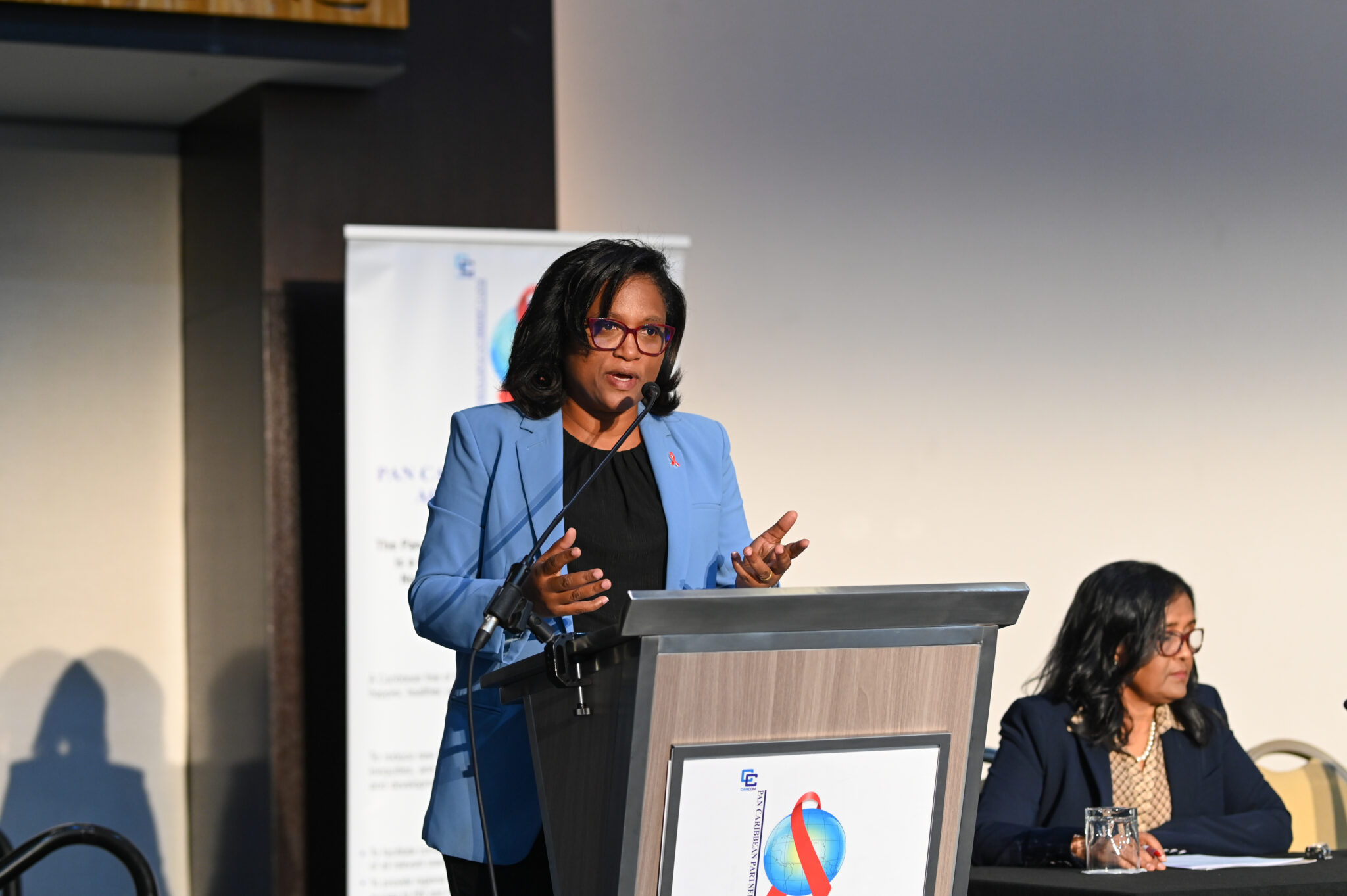
At the Opening Ceremony of the Tenth Meeting of National AIDS Programme Managers and Key Partners held on Wednesday, March 18, Dr. Wendy Telgt-Emanuelson, Director of the PANCAP Coordinating Unit, underscored the significance of this annual event in influencing the Caribbean’s HIV response. She pointed out that while the meeting typically reviews progress and challenges, the discussions this year are particularly vital as the region heads towards the 2030 goal of eliminating AIDS as a public health issue.
Dr. Telgt-Emanuelson emphasized the latest draft of the Caribbean Regional Strategic Framework for HIV and AIDS (2026–2030) as a guide for the upcoming phase. Using the analogy of a lengthy road trip, she recognized both the challenges and successes encountered along the way, highlighting the resilience and creativity of Caribbean partners. She expressed appreciation for the attendance of Chief Medical Officers and Permanent Secretaries, noting the importance of their insights.
During her interaction with attendees, she advocated for ongoing collaboration among governments, civil society, and international partners, urging participants to focus not just on past accomplishments but on the shared obligation to achieve the goal of a Caribbean free from HIV as a public health threat.
For many years, the Meeting of National AIDS Programme Managers and Key Partners has been a consistent event in the Caribbean’s HIV response. Each year, the planning committee identifies core themes, develops the concept note and agenda, and gathers programme managers and partners to assess progress, contemplate challenges, and suggest a roadmap forward.
As usual, our National AIDS Programme Managers convened yesterday to address specific technical and programmatic matters, which they will discuss further today. Over the next two days, we will collaborate with partners throughout the region to evaluate the broader response and outline subsequent steps. Although we have often highlighted the importance of having Chief Medical Officers and Permanent Secretaries at this meeting, their attendance has not always been feasible. Thus, I am pleased that they are present today, as we greatly value your perspectives and insights.
One might anticipate that this meeting would adhere to a familiar pattern, reviewing accomplishments, recognizing challenges, and providing future recommendations.
However, this meeting is distinct.
It takes place at a crucial juncture in our quest towards 2030, the target year for eliminating AIDS as a public health threat and reaching global treatment and prevention objectives. Additionally, it coincides with the nearing completion of the Caribbean Regional Strategic Framework for HIV and AIDS 2026–2030, which is now in its final draft and is poised to direct the region through the concluding phase of this journey.
Last year, I characterized the road to 2030 as a journey, likening it to a road trip across the Caribbean in a favorite vehicle. Like many long journeys, the path has not always been straightforward, encountering obstacles and times when resources have felt uncertain. Yet, we have also seen the potential of the Caribbean when we collaborate, demonstrate innovation, abandon ineffective methods, and adopt effective ones.
While the journey continues, we express gratitude to those who have stayed committed, including our Member States, Health Ministers, civil society partners, and organizations like UNAIDS, PAHO, CARPHA, and the Global Fund, whose ongoing collaboration and assistance have fortified the Caribbean response.
Anyone who has journeyed with children knows that during extended road trips, the inevitable question arises: “Are we there yet?”. For drivers, this question can sometimes be exasperating, as the answer often stays the same: not yet.
Yet, the moment inevitably arrives when the driver can say: “Just one more stop, and we will be there.”
In our HIV response, many among us—programme managers, policymakers, and community leaders—have felt simultaneously like drivers and children on this journey.
We are the ones steering the regional response, while also posing critical inquiries: When will we reach the stage where HIV and AIDS cease to be a public health risk in the Caribbean?
When will individuals feel secure enough to declare, “I am living with HIV,” without the fear of losing friendships, employment, or community acceptance?
And when will all of us, as Caribbean people, wholeheartedly accept the duty to safeguard our health and make informed, responsible choices?
Consequently, this meeting’s emphasis lies not just on our previous successes but also on our approach to the journey ahead.
Thank you for your dedication to this work and for the partnership that propels our region forward.
Read the full story from the original publication
