




Black Arts & Culture Feature:
FAQ: DIY Art Installation and Hanging Guide
What are the essential tools every home art installer should have?
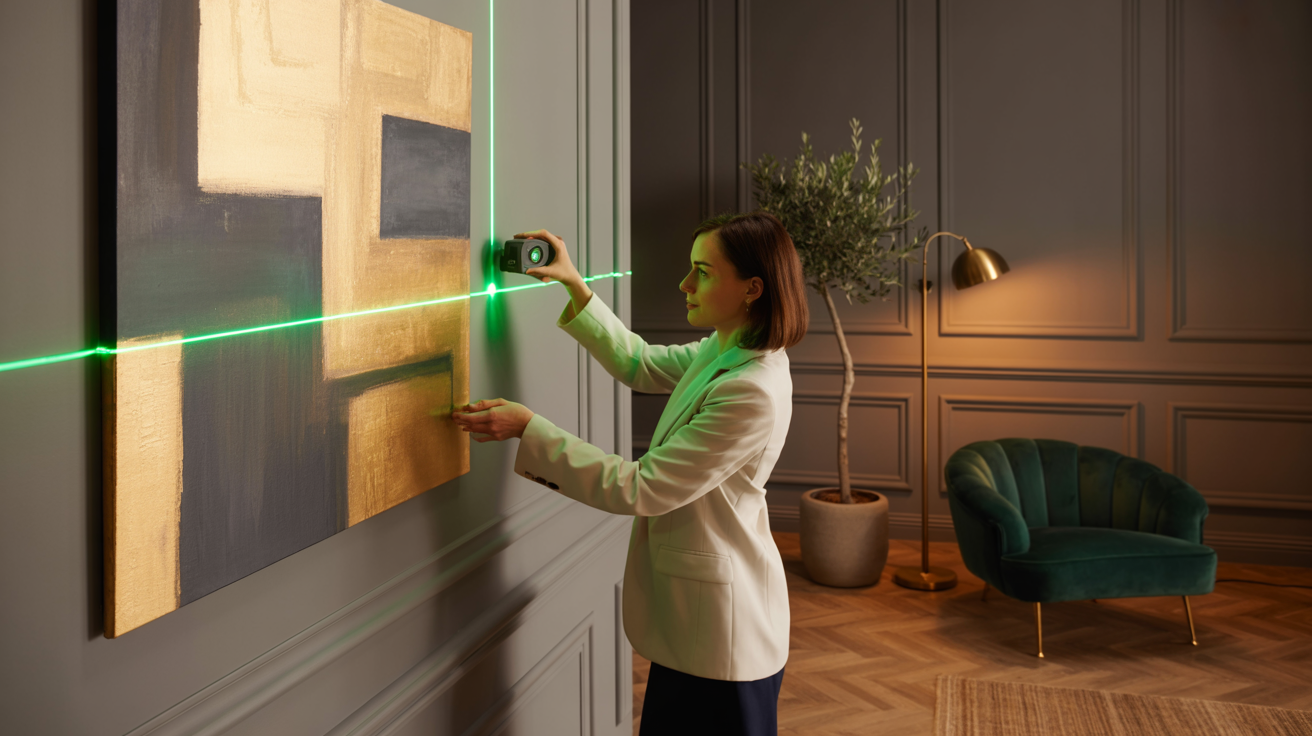
Every serious collector needs a professional toolkit including: a laser level (preferably green beam for maximum visibility), a magnetic stud finder with multiple sensing modes, a digital measuring device, quality drill with multiple bits for different wall materials, appropriate anchors (toggle bolts, molly bolts, and plastic expansion types), a precision hammer, specialized picture hanging hooks rated for various weights, braided picture wire, D-rings, security hanging hardware, a wire cutter/crimper, and conservation-grade materials for protection. While the initial investment may seem substantial, these tools will serve you through countless installations and prevent costly mistakes or damage to valuable artwork.
How do I determine the correct height for hanging artwork?
The professional standard centers artwork at 57 inches from the floor to the piece’s center—this height corresponds to average eye level in gallery settings. However, this guideline requires interpretation based on your specific context. For rooms with unusually high ceilings (over 10 feet), consider raising this center point to 60 inches. When hanging art above furniture, maintain 8-12 inches of space between the furniture’s top and the artwork’s bottom edge. For groupings, use the 57-inch standard as your anchor point, with the collection’s visual center at this height. Remember that human scale—not architectural features—should dictate your hanging height for most residential applications.
What’s the best way to hang a gallery wall without making countless holes?
Professional installers create full-scale templates of each piece using kraft paper, arranging these templates on the wall with painter’s tape before making any permanent marks. Create your arrangement on the floor first, photograph it for reference, then transfer the design to paper templates. Mark precise hanging points on these templates, then transfer only these points to your wall. Begin installation with the central anchor piece, then work outward symmetrically. For maximum flexibility with minimal wall damage, consider installing a gallery hanging system with adjustable cables—this confines wall penetration to a single track installation while allowing unlimited reconfiguration of your collection.
How do I safely hang heavy artwork weighing over 20 pounds?
Heavy artwork requires abandoning traditional wire hanging methods in favor of more substantial support systems. French cleats—interlocking brackets that distribute weight evenly across the frame width—provide the most secure option for substantial pieces. Ensure cleats are anchored directly into wall studs or use appropriate heavy-duty anchors (toggle bolts or expanding metal anchors) rated for at least twice your artwork’s weight. For extremely heavy pieces exceeding 50 pounds, consider consulting a structural engineer, particularly in homes with plaster walls or historical construction. Always verify your wall’s composition before installation, as techniques appropriate for modern drywall may fail catastrophically in other materials.
What’s the proper way to hang art on difficult surfaces like brick or concrete?
Masonry surfaces require specialized approaches beginning with appropriate drill bits—carbide-tipped masonry bits prevent damage to both your tools and wall surfaces. For brick walls, always drill into the mortar rather than the brick itself when possible, as mortar accepts anchors more reliably and can be repaired more easily if needed. Use expanding masonry anchors or specialized concrete screws rather than standard wall anchors. For particularly valuable pieces on masonry walls, consider installing a mounting board—secure this board to the wall using multiple masonry anchors, then mount your artwork to this more forgiving surface. This approach distributes weight effectively while providing a conventional substrate for standard hanging hardware.
How can I hang art without damaging walls in a rental property?
Sophisticated rental installations utilize removable solutions that maintain professional appearance without permanent alteration. Adhesive hanging strips with hook-and-loop fasteners support weights up to 16 pounds when properly installed on clean walls. For larger pieces, consider tension mounting systems that extend from floor to ceiling, creating a damage-free display surface. Alternatively, adaptable hanging systems that mount to door frames or existing architectural features provide substantial support without new penetrations. For gallery arrangements, consider leaning larger pieces on floating shelves secured with removable adhesive, then arranging smaller works around these anchor pieces. These approaches deliver stylish presentation while preserving your security deposit.
What professional techniques create that floating, shadow-gap look for artwork?
The sophisticated shadow gap effect involves creating consistent projection from the wall surface, typically ¼ to ½ inch. For framed pieces, install small spacers at corner points—museum-grade bumpers or custom-cut cork provide appropriate spacing while protecting both frame and wall. For canvas works, specialized floating brackets attach to stretcher frames while remaining completely hidden from view. The most elegant solution involves recessed hanging systems where all hardware mounts within a shallow channel cut into the wall surface, requiring more involved installation but delivering truly museum-quality presentation. This technique works particularly well for contemporary pieces where the interplay between artwork and subtle shadow enhances the visual experience.
How do I ensure my art installation remains secure in homes with children or pets?
Family-friendly installations incorporate additional security measures without compromising aesthetic standards. For valuable pieces, security hanging hardware features locking mechanisms that prevent artwork from being lifted off hooks—these remain completely concealed while providing substantial protection. Consider security screws that require specialized tools for removal, particularly for heavier pieces. For glass-fronted works in active households, museum-grade acrylic glazing offers similar visual clarity with significantly improved impact resistance. Position especially valuable or fragile pieces above furniture that prevents close approach, or reserve these works for rooms with limited access. These precautions maintain sophisticated presentation while providing necessary protection in dynamic household environments.
Read more from the original source
