




Global Black Voices: News from around the World
- The 35-year termination window under 17 U.S.C. § 203 lets creators reclaim rights if they timely file a termination notice.
- Reclaiming publishing and masters can shift vast wealth to Black artists; labels may claim work for hire.
- Act now: review contracts, hire a copyright lawyer, serve termination notice, file Form TCS with the U.S. Copyright Office.
Isaac Hayes III Copyright Warning Goes Viral: Artists Must Act
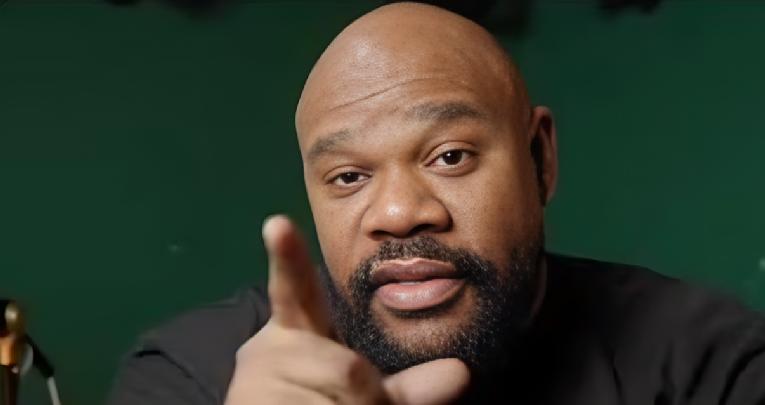
*Isaac Hayes III, son of soul icon Isaac Hayes and founder of the Fanbase app, rang in 2026 with a powerful copyright wake-up call for artists.
In a Jan. 1 viral thread on X, he urged hip-hop and R&B creators from 1991 to reclaim their publishing and master rights—or risk losing them permanently.
The 35-Year Rule: A Second Chance for Creators
This all centers on the “termination of transfer” law under U.S. copyright statute (17 U.S.C. § 203). It allows creators to take back rights 35 years after granting them—if they act within the required legal window.
For 1991 hits, that means the window is now open. But there’s a catch: artists must have filed a termination notice at least 2 years in advance to get back their rights in 2026.
It’s 2026
This year, a massive number of rap and R&B records become eligible for termination.
That means songwriters and artists finally have the legal right to reclaim their publishing and their masters.
If you know any of these songwriters or artists, tag them in this post.… pic.twitter.com/NFb5cPxDvH
— Isaac Hayes III (@IsaacHayes3) January 1, 2026
Hayes Calls It the Biggest Wealth Shift in Black Music History
Hayes didn’t mince words. In a 2-minute video, he called this opportunity “the largest transfer of wealth to Black people in the history of the music industry.”
He explained that many artists—especially Black artists—signed away rights under unfair deals, and this is a once-in-a-generation chance to reclaim what’s theirs.
Which Songs and Artists Are Affected? Here’s the List
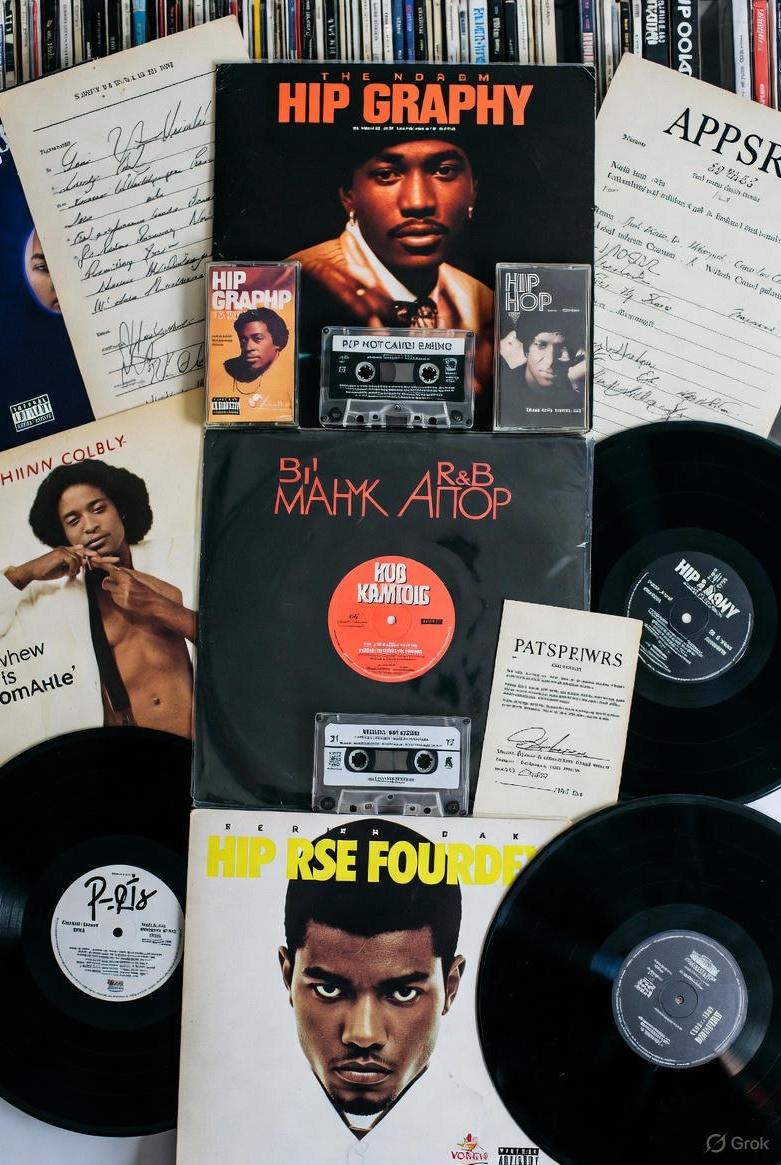
In the thread, Hayes mentioned specific 1991 hits now eligible for termination filings. These include:
- Naughty by Nature: “O.P.P.” – Publishing
- LL Cool J: “Mama Said Knock You Out” – Publishing & Masters
- Boyz II Men: “Motownphilly” – Publishing & Masters
- Jodeci: “Forever My Lady” – Publishing & Masters
- Black Sheep: “The Choice Is Yours” – Publishing
- Yo-Yo: “You Can’t Play with My Yo-Yo” – Publishing & Masters
- Crystal Waters: “Gypsy Woman” – Publishing & Masters
- Color Me Badd: “I Wanna Sex You Up” – Publishing & Masters
And many more. The rights to these iconic tracks are worth millions—if artists act in time.

Legal Details: How the Termination Process Works
Under U.S. copyright law, creators (or their heirs) can file a termination notice for grants made after 1978. If successful, they regain control of publishing or master rights.
The window opens 35 years after the grant and must be filed 2–10 years in advance. Miss that notice period? Rights are gone forever.
Publishing vs. Masters: Which Rights Can Be Reclaimed?
Publishing rights (lyrics and melody) are often easier to reclaim. Master recordings are trickier—many labels claim they’re “works made for hire,” which blocks termination.
Still, some artists have successfully reclaimed both, depending on contract terms and legal strategy. LL Cool J reportedly regained his Def Jam masters recently.
Fan Reactions Pour In: ‘Labels Play So Dirty’
Responses to the thread were immediate and emotional. Artists and fans alike chimed in with support, warnings, and shoutouts to affected legends.
One fan posted: “UMG is already giving Salt n’ Pepa the runaround, trying to stifle their music because they can now own their masters. The labels play so dirty. Filth.”
Another added: “Damn, 1991 had some bangers!” While some shared personal regret at missing the window, others tagged artists directly to alert them.
Steps Artists Should Take Now to Protect Their Legacy
For artists or estates hoping to reclaim rights, Hayes and legal experts urge action:
- Review contracts from 1990–1991 for grant date and “work for hire” clauses
- Hire a copyright lawyer with music experience
- Serve official termination notice to publishers/labels
- File Form TCS with the U.S. Copyright Office
- Pick an effective date within the allowed 5-year window
It’s not automatic—no one will remind you. And missing the window means the rights stay with the label for good.
Isaac Hayes III Copyright Warning Could Shift Music Ownership
The thread has already reignited calls for equity in the music industry. If more Black artists reclaim their catalogs, this could shift billions in future earnings and licensing control.
Whether you’re a household name or one-hit wonder, Isaac Hayes III just reminded the industry: your past hits still hold power—and so do you.

(If You Like/Appreciate This EURweb Story, Please SHARE it!)
MORE NEWS ON EURWEB.COM: Jill Scott Announces First New Album in 10 Years: ‘To Whom This May Concern’
Sign up for our Free daily newsletter HERE.
Read the full story from the original publication
