




Health Watch: Wellness, Research & Healthy Living Tips
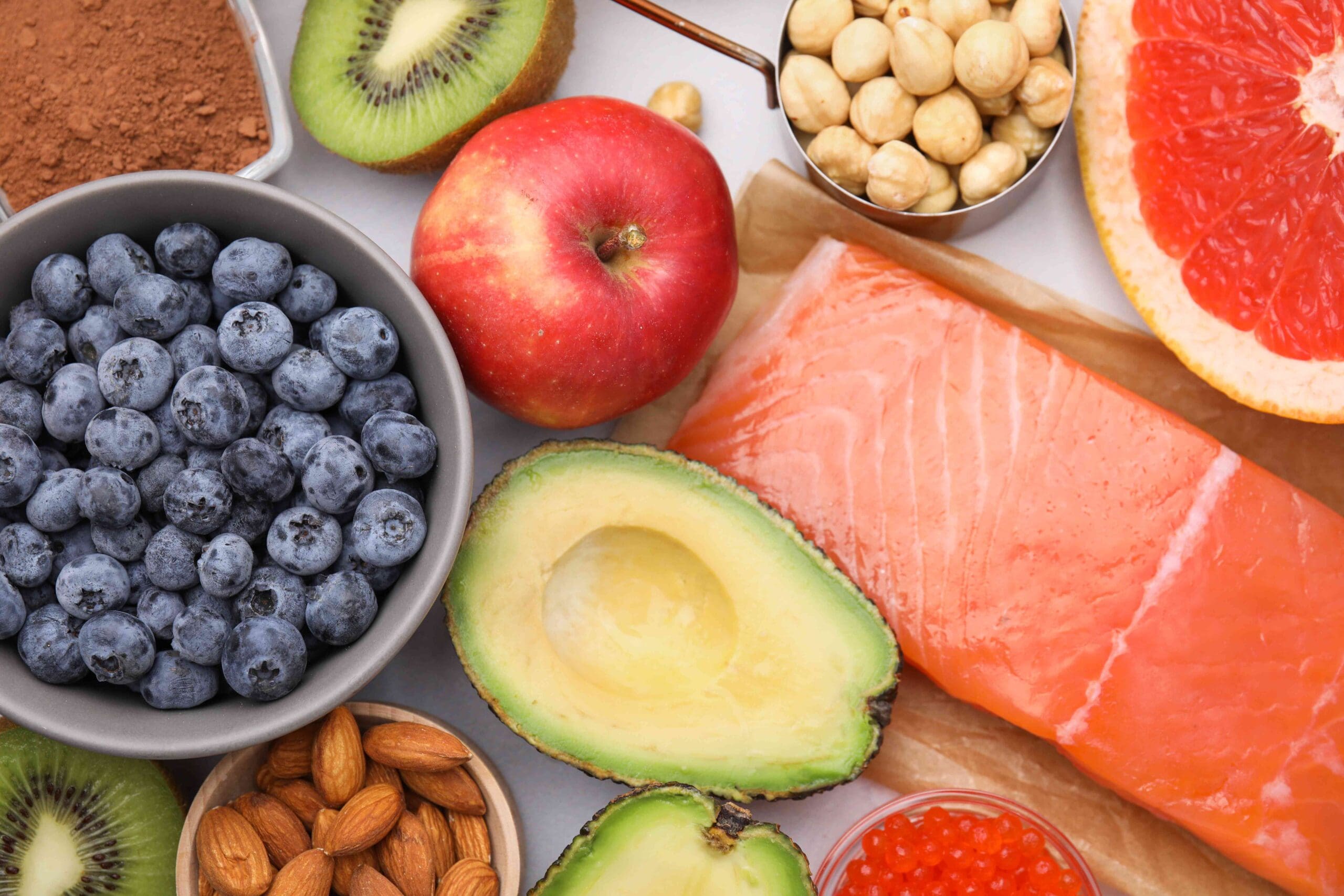
- MIND diet emphasizes leafy greens, berries, nuts, fatty fish, and olive oil to support brain health and lower dementia risk.
- Improving adherence over 10 years—even if started later—was linked to a ~25% lower dementia risk in the study.
- Findings are observational and not peer reviewed; benefits varied by racial and ethnic groups and may reflect other healthy behaviors.
A new study found a link between following the MIND diet and a significantly lower risk of dementia, including Alzheimer’s disease—even when the eating plan is adopted later in life.
The new research, presented last week at the annual meeting of the American Society for Nutrition, specifically found that adopting the diet—which focuses on foods such as leafy greens and fatty fish like salmon—may reduce the chances of dementia by 25%.
“Results of this large-scale longitudinal study are consistent with previous research showing that adherence to the MIND diet reduces risk for developing Alzheimer’s disease,” Gary Small, MD, a geriatric psychiatrist, chair of psychiatry at Hackensack University Medical Center, and author of multiple books on cognitive health and aging, told Health. “The large sample size and long study duration make these findings particularly compelling.”
The MIND diet is a fusion of two highly regarded diets:
- The Mediterranean diet. This eating plan doesn’t have one strict formula but is based on the generalized eating habits of people living in the countries along the Mediterranean Sea. It’s heavy on plant-based foods, including many fruits and vegetables, nuts, legumes, whole grains, and healthy fats, with small amounts of eggs, low-fat dairy, fish, and other lean proteins. It limits butter and other saturated fats, added sugar, refined grains, and overly processed foods. Research has found that the Mediterranean diet may help you live longer, reduce inflammation in your body, lower the risk of heart disease and some cancers, and improve mental health.
- The DASH diet. While this diet focuses on mostly the same foods as the Mediterranean diet, it places a greater emphasis on limiting sodium and saturated fats to lower blood pressure and boost cardiovascular health.
The MIND diet “is similar in many ways to the Mediterranean and DASH diets, but it emphasizes specific nutrients found in foods like dark leafy greens, berries, and nuts that we know are essential for brain health and reducing risk of Alzheimer’s disease and dementia,” Julie Andrews, RDN, a registered dietitian, chef, and author of cookbooks about the MIND and DASH diets, told Health.
Other brain-boosting foods incorporated into the diet are fatty fish like salmon and healthy fats (primarily olive oil).
Researchers gathered and analyzed data from 92,849 people involved in the University of Hawaii’s Multiethnic Cohort Study. At the study’s start, participants were between the ages of 45 and 75 and represented five racial and ethnic groups: African-American, Latino, White, Japanese-American, and Native Hawaiian.
Ten years after participants completed a food-frequency questionnaire, researchers followed up with them to assess how closely they adhered to the MIND diet.
People who followed the MIND diet most closely had a 9% lower risk of developing Alzheimer’s disease and related dementias compared to those who stuck to the eating plan the least. Those who improved their MIND diet score the most over 10 years, even if they didn’t follow the diet at first, had a 25% lower risk of developing dementia than those whose diet scores got worse.
“This suggests that it is never too late to adopt a healthy diet to prevent dementia,” said Song-Yi Park, PhD, the study’s first author and an associate professor at the University of Hawaii at Manoa, in a press release.
Researchers found an association between the MIND diet and lower dementia risk in racial and ethnic groups except Native Hawaiians, who saw no benefit regardless of age. Of the groups that did seem to benefit, the connection was weakest for Japanese-Americans.
The reasons for this aren’t obvious, said Brendan Kelley, MD, a neurologist and dementia expert at the Peter J. O’Donnell Jr. Brain Institute at the University of Texas Southwestern. “It is not clear why, and this study is not structured to be able to answer this question,” he told Health.
However, the study’s authors noted the possibility that Asian Americans experience lower rates of dementia compared to the other racial and ethnic groups included in the study. That could make it more difficult to demonstrate statistically significant differences in dementia rates, Small said.
The research hasn’t yet been peer-reviewed and shows only a correlation between the MIND diet and a lower dementia risk—it doesn’t prove causation.
“People who are more conscientious in adherence to a healthy diet also would be more likely to engage in other healthy lifestyle behaviors, such as regular physical exercise, social engagement, and mental stimulation, all of which may have contributed to the lowered risk for the disease,” Small said.
Additionally, “the study relies on information that was reported by participants and on diagnoses that were assigned in clinical settings. The researchers did not directly evaluate the people participating in the study, and so the accuracy of the diagnosis or diet is not known,” Kelley said.
However, this isn’t the first study to find a link between the MIND diet and lower chances of dementia. Previous research has also shown that the diet may slow brain aging by up to 7.5 years and could lead to other improvements in various aspects of aging, including grip strength, mobility, and “inflammaging,” a term for chronic low-grade inflammation.
Small, Andrews, and Kelley are proponents of this eating plan. “It’s never too early or too late to change your dietary and lifestyle habits to protect your brain,” Small said.
To get started, Andrews recommended:
- Swapping out refined grains, such as white bread, for whole grains
- Adding in a few weekly servings of dark leafy greens
- Snacking on a handful of roasted nuts every week
- Making a weekly frozen berry smoothie
Adhering to the MIND diet can be pricey, however. For budget-friendly ways to implement the eating plan, Andrews suggested:
- Using frozen vegetables instead of fresh
- Adding canned beans to casseroles, soups, salads, and bowls
- Opting for canned salmon and tuna, which you can mix into salads, pasta dishes, and fish burgers
Read the full article on the original source
