




Global Black Voices: News from around the World
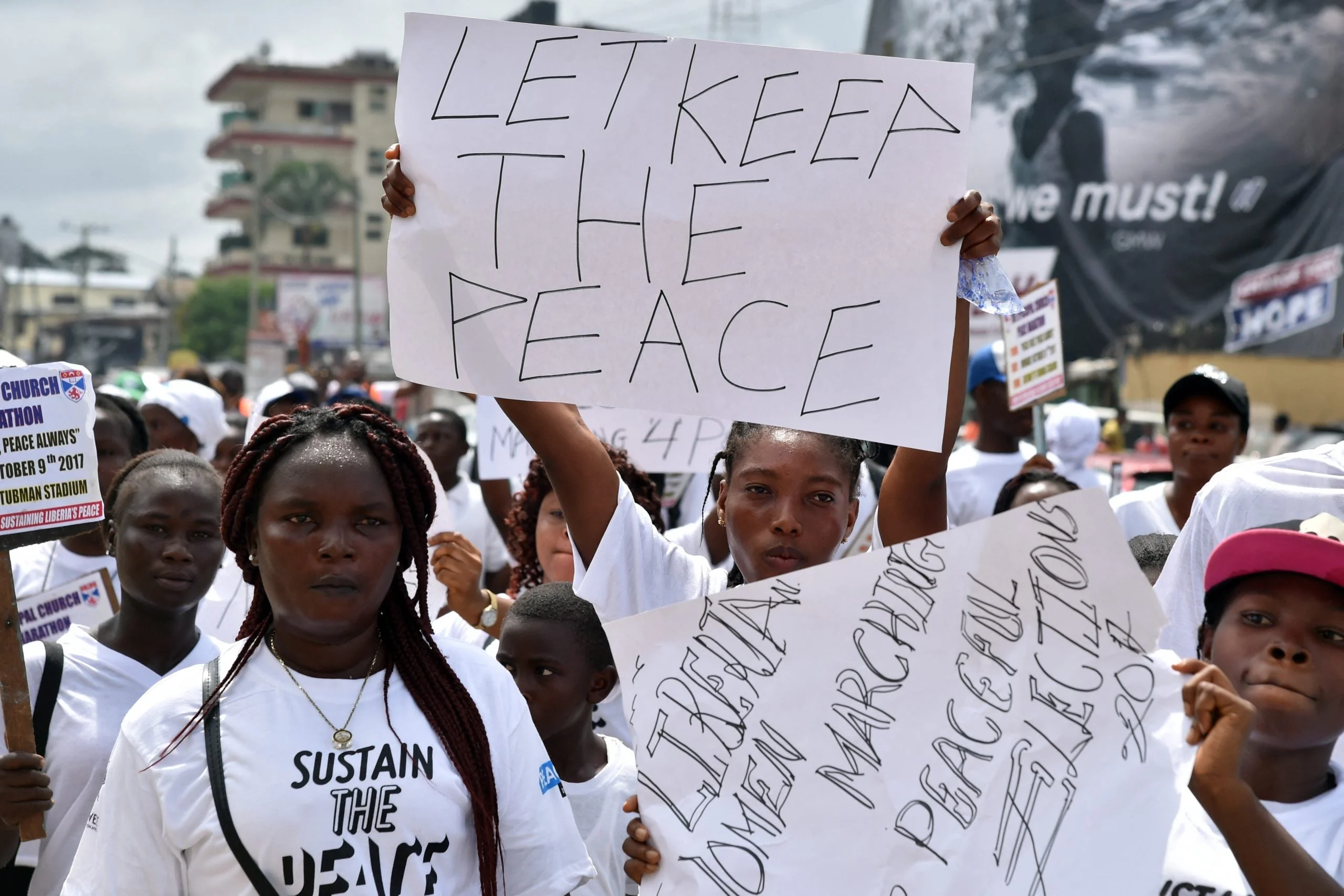
- Liberia: Sustainable peace requires local ownership where communities rebuild trust and reconciliation instead of importing solutions.
- International solidarity enables security and resources but must empower local leadership rather than replace community efforts.
- Inclusion: Meaningful participation of women and youth builds unity and durable stability.
- Strong institutions and the rule of law provide peaceful mechanisms for resolving disputes and restoring public confidence.
- Economic opportunity, services, and daily acts of reconciliation renew peace; hope sustains long term stability.
Recently, I had the opportunity of addressing community peacebuilders in Myanmar, reflecting on Liberia’s long journey from conflict to peace. And while every country’s history is unique, the search for lasting peace raises remarkably similar questions. How do societies rebuild trust after violence? How do former adversaries learn to coexist? And what transforms a fragile peace into a lasting one?
These questions are particularly relevant today. The world is witnessing a troubling resurgence of armed conflict, political polarisation, and humanitarian crises. From Africa to Europe, the Middle East, and Asia, millions of people continue to live with the devastating consequences of war.
Liberian resilience
Liberia endured two devastating civil wars between 1989 and 2003. Hundreds of thousands of people lost their lives. Families were displaced, communities were torn apart, public institutions collapsed, and trust — the very foundation of peaceful societies — was deeply fractured.
Yet amid the tragedy, Liberia also demonstrated something remarkable: the extraordinary resilience of ordinary people determined to rebuild their country and reclaim their future. These experiences deepened my conviction that while the international community can help create the conditions for peace, sustainable peace cannot be imported. It must be built patiently by the people who will ultimately live with it.
Following the end of conflict, Liberia benefited enormously from international solidarity. The United Nations peacekeeping mission helped restore the security necessary for political dialogue, the return of refugees, democratic elections, and institutional recovery. International partners supported governance reforms, infrastructure reconstruction and economic revival.
These contributions were indispensable. But they were never sufficient on their own. The real work of peacebuilding began after the guns fell silent.
Rebuilding trust among citizens
Peace proved to be far more than the absence of violence. It required rebuilding trust among neighbours who had once feared one another. It demanded restoring confidence in public institutions, strengthening the rule of law, expanding educational opportunities, promoting accountable governance, and creating hope for future generations.
Perhaps the most enduring lesson from Liberia is that local ownership determines whether peace will last.
International organisations can facilitate dialogue, provide technical expertise, mobilise resources, and accompany countries through difficult transitions. They cannot, however, replace the determination of citizens to reconcile with one another and build a shared future.
In Liberia, traditional leaders, religious communities, civil society organisations, women, youth, and local authorities all played indispensable roles in healing divisions and rebuilding relationships. Much of this work occurred quietly, far from international headlines. Yet it formed the foundation upon which lasting peace and stability was gradually rebuilt.
Another lesson is the importance of inclusion. Women were not simply victims of Liberia’s conflict; they became some of its most influential peacebuilders. Their leadership helped unite communities across political, ethnic, and religious divides and demonstrated that sustainable peace depends upon the meaningful participation of all members of society.
Young people likewise represent one of a nation’s greatest assets for peace. Investing in education, vocational training, employment, and civic participation gives young people reasons to believe in their future and become stakeholders in stability rather than victims of renewed violence.
Pillars of peace
Strong institutions are equally essential. Peace cannot endure where justice is absent or where citizens lose confidence in public institutions. Liberia’s post-conflict recovery required strengthening democratic governance, public administration, the judiciary, electoral systems, and professional security institutions capable of serving all citizens fairly and impartially. Institutions do not eliminate disagreement; they provide peaceful mechanisms for resolving it.
Economic opportunity is another pillar of sustainable peace. Communities emerging from conflict need more than security. They need livelihoods, functioning schools, accessible healthcare, infrastructure, and opportunities to build dignified lives. Development and peace are mutually reinforcing. Without hope for a better life, peace remains fragile.
Liberia’s experience reminds us that peace is never guaranteed. It must be renewed every day…
The conversations I shared with peacebuilders in Myanmar reinforced an important truth: every nation’s history, culture, and political realities are unique. Myanmar, like Liberia before it, must ultimately find its own path toward reconciliation. No peace process can simply be transplanted from one country to another. Yet certain principles remain universal: dialogue, inclusion, local ownership, accountable institutions, and respect for human dignity.
Peacebuilding is among humanity’s most important collective responsibilities. International cooperation remains indispensable, but it is most effective when it empowers local leadership rather than substitutes for it. Sustainable peace is built through genuine partnership — between communities and governments, between citizens and institutions, and between nations working together in solidarity.
Liberia’s journey has not been perfect. Like every democracy, we continue to face important challenges. Yet our experience demonstrates that societies can emerge from profound violence with renewed hope. Former adversaries can choose coexistence over revenge. Institutions can be rebuilt. Trust can be gradually restored.
The greatest peace agreements are not only signed in conference halls. They are forged every day in villages, schools, places of worship, community meetings, and homes, where ordinary people make the courageous decision to trust one another again.
In an increasingly divided world, Liberia’s experience reminds us that peace is never guaranteed. It must be renewed every day through dialogue, justice, inclusive institutions, and courageous leadership. Our greatest investment should not be in the machinery of war but in the architecture of peace. If Liberia’s journey teaches the world anything, it is this: no nation is beyond healing when its people choose reconciliation over revenge, cooperation over division, and hope over despair.
Peace is possible. Not because it is easy. Not because it comes quickly. But because ordinary people possess an extraordinary capacity to rebuild their societies when they are given the opportunity, the support, and the encouragement to do so.
Read the full story from the original publication
