




Business Briefing: Economic Updates and Industry Insights
- YouTube connects creators with advertisers to secure funding before premieres, shifting from sharing ad revenue after success toward upfront sponsor support.
- YouTube stages advertiser showcases and builds an online hub, letting creators pitch directly to top marketers for sponsor partnerships and bigger budgets.
- YouTube offers marketing, premieres and Emmy campaigns to retain talent, contrasting with Netflix and Amazon Prime Video's upfront fee models.
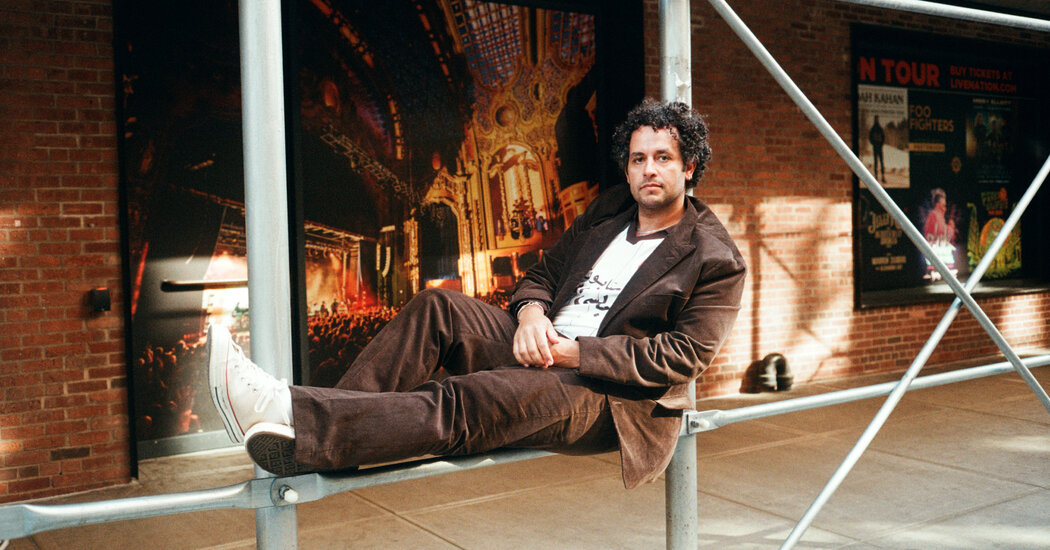
Last year, Kareem Rahma, the host of the popular Instagram and TikTok series “Subway Takes,” added a new distribution platform for his hit show: YouTube.
From the get-go, he said, YouTube officials took a shine to him and inquired how they could help. Soon, Mr. Rahma was telling them about another show he had in mind, “Keep the Meter Running,” a series where he would interview and take rides with New York cabdrivers. Mr. Rahma had big ambitions for it, including international travel that would require a much higher budget.
That was when YouTube officials said they could help make that a reality.
“They became really supportive, and that’s when they were like, ‘Do you want us to help connect you with advertisers — like, anything you need,’” he recalled.
YouTube has been television’s most-watched streaming platform in the United States for several years, commanding a sizable lead over Netflix, Disney+ and other services. Now it is trying to keep that lead by being a more aggressive liaison between creators and sponsors.
Playing matchmaker is a shift for YouTube. For years, the company cut creators a check from advertising revenue after a video became a hit — but those creators were forced to finance the series themselves. With the new push, YouTube is trying to line up sponsors to help creators find funding before a show even premieres.
This week, YouTube executives will invite Mr. Rahma to Lincoln Center’s David Geffen Hall to attend their annual spare-no-expense showcase for advertisers. He will be able to pitch “Keep the Meter Running” directly to the biggest marketers in the country.
He will be one of several creators hitting the stage as the tech giant ramps up efforts to help creators find new sources of revenue — both to fund more ambitious projects and to keep them happy as rivals start to poach top talent.
“They have businesses to run, but we ultimately want to make sure that they see YouTube as their home,” Mary Ellen Coe, YouTube’s chief business officer, said in an interview.
Or as Sean Downey, a top advertising executive at Google, YouTube’s parent, put it: “We’re really focused on making sure our creators have a home where they can build a great business.”
YouTube is making the change as some of its top competitors are trying to emulate it. Netflix went into the business of signing up some creators, such as the children’s entertainer Ms. Rachel and the science educator Mark Rober, and reached deals with dozens of video podcasts, a booming business on YouTube. Amazon Prime Video brought aboard MrBeast, YouTube’s biggest star, and signed up the Kelce brothers and Oprah Winfrey to do their own video podcasts.
At YouTube’s showcase for advertisers this week, the company will introduce a slate of series that advertisers can directly invest in, including from the former “Daily Show” host Trevor Noah and Alex Cooper, the “Call Your Daddy” host. That is similar to how traditional media companies make deals with marketers for upcoming programs.
The tech giant is bringing this white-glove approach to more than two dozen series. Additionally, YouTube has been taking steps to be a go-between for sponsors and hundreds of other creator shows by creating an online hub.
“We’re seeing an elevated level of investment with very ambitious projects, and they want YouTube to be the home of those ambitious projects,” Ms. Coe said of creators. “So we want to make sure we’re helping get funding to them.”
YouTube has a very different business model from streaming companies like Netflix or Amazon. Those companies generally pay talent a fee upfront. Writers or producers, however, typically give up ownership of their program in return for the company’s funding the budget. YouTube, in contrast, usually pays nothing in advance but instead gives creators a cut of the advertising revenue based largely on success.
Brittany Broski, a YouTube creator and comedian, said the company helped her find brands that were a “good fit.” And she thinks those new connections could help her fund future projects, as well.
“I am fully running a business here, so, yeah, the money’s great, but it’s going right back into upgrading the set or, you know, hiring a new writer for the show,” she said.
YouTube is finding other ways to keep talent happy, such as investing heavily in premiere events and Emmy promotions.
Ms. Broski said she was dazzled by a red carpet premiere event YouTube threw for her a few months ago for her quirky talk show, “Royal Court.” And Sean Evans, the host of the hit interview series “Hot Ones,” said he was impressed with the level of investment YouTube put toward pushing his show for an Emmy.
“I was walking around my neighborhood, walking to the gym down the street, and then I was being confronted with my face,” he said, referring to a “Hot Ones” Emmy ad. “And then going to the studio, which is in Times Square, and being confronted by my face. Or later that week, driving down Sunset Boulevard, and again being confronted with my face on a billboard.”
Mr. Evans said that this year YouTube had only “increased their marketing resources” and that it was paying for a stand-alone “Hot Ones” Emmy event for the first time as well. He called it a “great partner.”
Mr. Rahma, the “Subway Takes” host, said YouTube was also organizing an Emmy campaign for him. But what’s most important, he said, is being able to find a way to pay for another season of “Keep the Meter Running.”
“The hope and the promise is that when I announce my new show, that advertisers will be interested and will want to come out for Season 2,” he said. “That’s my goal for announcing it there.”
Read the full article from the original source
