




Glow & Grow: Black Beauty, Haircare, and Skincare Tips
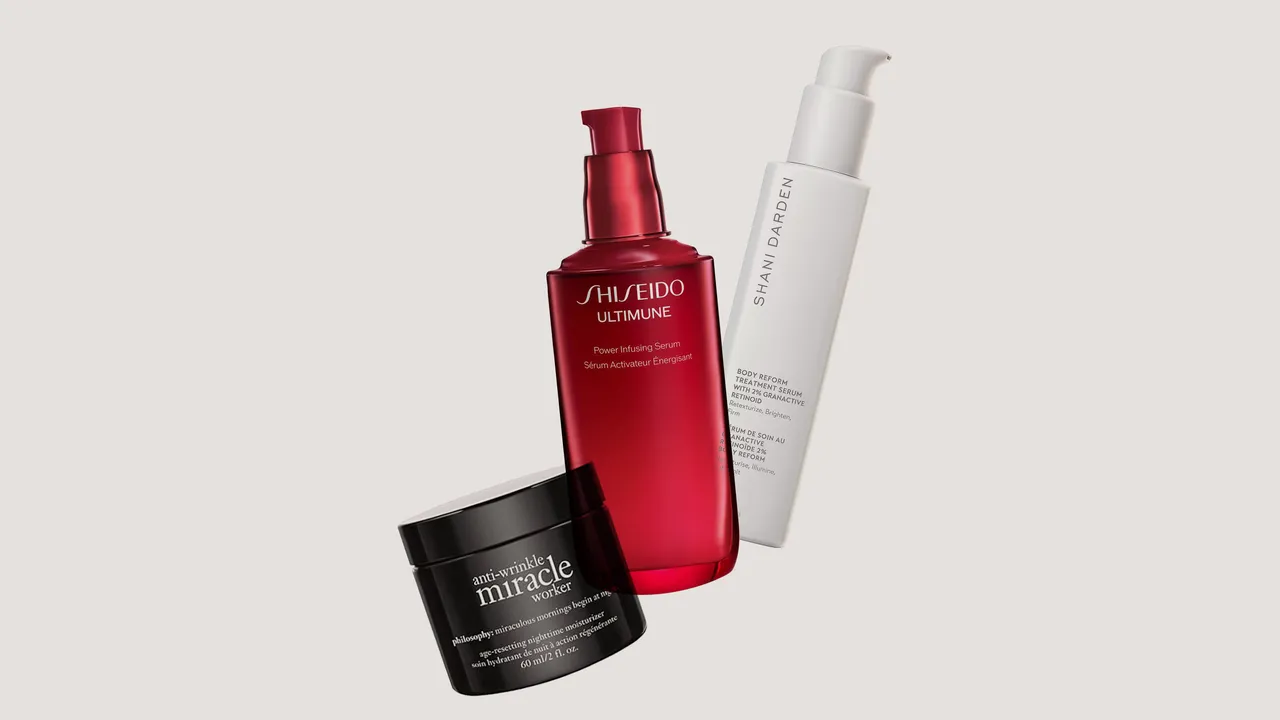
- Topicals can mimic Botox effects over time using neuropeptides and firming ingredients, though not as immediate as injections.
- Key ingredients include topical retinoids, firming peptides, vitamin C, and growth factors to boost collagen and elastin.
- Some peptides act like neurotransmitters in skin, helping to limit muscle movement and soften expression lines modestly.
- Combine topical “Botox in a bottle” products with professional Botox treatments to enhance and prolong results.
- Experts and testing prioritize ingredient efficacy, texture, wear, packaging, and dermatologist validation when recommending products.
This stabilized formula provides results more quickly than most other serums due to its potency. And, its combination of complexion-brightening ingredients makes it especially worthwhile to try if you have stubborn sun damage-related age spots and discoloration.
Why it’s worth it: RoC was one of the first brands to bring stabilized retinol to the masses. Their Retinol Correxion Deep Wrinkle Night Cream proves that effective retinoids don’t have to drain your wallet. Unlike many budget formulas that leave skin parched or flaky, this one “combines pure retinol with a hydrating mineral complex, humectants like glycerin, and emollients like shea butter to minimize irritation while increasing cellular turnover,” says Dr. Turner. And while retinol is the star, the formula also includes small amounts of glycolic acid and ascorbic acid for a gentle brightening boost and smoother-looking texture.
Frequently Asked Questions
Are topical creams as effective as Botox injections?
Injectables reign supreme when it comes to getting rid of fine lines, smoothing texture, and plumping lax skin. However, certain products can yield results similar to those of the neuromodulator botulinum toxin—a.k.a. Botox, Xeomin, and Dysport, among others—which works by relaxing the muscle contractions responsible for creating expression lines and wrinkles.
So, are there products that provide the near-immediate fine-smoothing effects of neuromodulator injections? No. At this time, at-home topicals aren’t advanced enough to act as swiftly and effectively as professional-grade treatments like Botox. Still, there are formulations with plumping and tightening ingredients that can reduce the appearance of fine lines and sagging skin. “Although there is no true ‘Botox in a bottle’ that is applied topically to the skin, there are great topical products that can give the appearance of softening expression lines and improving skin texture over time, particularly with neuropeptides,” confirms Kellie Reed, MD, a board-certified dermatologist based in Austin. You can even use them in tandem with professional Botox treatments (from a board-certified dermatologist, of course) to enhance and prolong its line-dissipating benefits.
What are the key ingredients in “Botox in a bottle” products?
“The best line-fighting creams are those that help build our skin’s own building blocks, namely collagen and elastin fibers,” explains Deanne Robinson, MD, a Connecticut-based board-certified dermatologist. She recommends topical retinoids, firming peptides, brightening vitamin C, and growth factors to help support skin cell turnover, increase collagen fibers, and hydrate the skin.
Certain peptides, like neuropeptides, also serve as neurotransmitters in the skin. They work similarly to botulinum toxin by limiting muscle movement—although to a much lesser degree than that in injectables. With that, consider these skin-care products, including moisturizers, serums, and treatments, your best bet for products that work like Botox injections—just without the pinch.
Meet the experts
- Robert Finney, MD, a board-certified dermatologist based in New York City
- Jaimie Glick, MD, a board-certified dermatologist based in New York City
- Omer Ibrahim, MD, a board-certified dermatologist and founder of Salmalita Cosmetics based in Chicago
- Angela Lamb, MD, a board-certified dermatologist based in New York City
- Debbie Palmer, a board-certified dermatologist and co-founder of Dermatology Associates of New York based in Harrison, New York
- Heidi Prather, MD, a board-certified dermatologist based in Austin
- Kellie Reed, MD, a board-certified dermatologist based in Austin
- Deanne Robinson, MD, a board-certified dermatologist based in Connecticut
- Ryan Turner, MD, a board-certified dermatologist and founder of Turner Dermatology based in New York City
How we test and review products
When Allure tests a product, our editors look at it from every angle in an effort to best serve you. We review ingredients, scrutinize brand claims, and, when necessary, examine peer-reviewed scientific and medical studies. In addition to testing each and every product that’s included in each and every review, we rely on experts who shape their fields, including dermatology, cosmetic chemistry, and medicine, to help us vet the ingredients and formulas.
For our list of line-fighting skin-care products, we considered each product’s performance across five primary categories: product ingredients and efficacy, packaging, fragrance, texture, and product wear. Every product was determined to have excelled in each category by our editorial team, which is composed of in-house writers and editors as well as contributors — along with special consideration from board-certified dermatologists. To learn more information on our reporting and testing processes, read our complete reviews process and methodology page.
Our staff and testers
A beauty product is a personal purchase. You might be searching for a face cream to address persistent dryness or a new nail product to add to your Sunday self-care routine; you may simply be browsing around for the latest launches to hit the hair market. No matter what you seek or your individual needs and concerns, Allure wants to ensure that you love anything we recommend in our stories. We believe that having a diverse team of writers and editors — in addition to the wide range of outside testers and industry experts we regularly call upon — is essential to reaching that goal.
After all, can we really say a skin-care product is the “best” for people over 50 if the only testers we’ve solicited opinions from folks who have yet to hit 30? Can we honestly deem a high-end diffuser worthy of your hard-earned cash if it’s never been tested on curls? We’re proud that our staff spans a wide range of ages, skin tones, hair textures, genders, and backgrounds, which means that we are able to fairly assess any beauty product that comes into the beauty closet.
Read the full article from the original source
