




Global Black Voices: News from around the World
- Nigeria: Reforms such as fuel subsidy removal and currency liberalization create cautious optimism for improved fiscal stability and investment potential.
- Côte d’Ivoire: Fast-growing economy, world’s largest cocoa producer, sustained high growth makes it attractive for long-term investments.
- South Africa: Subdued macro outlook yet strong private equity, deep markets and experienced corporate operators offer differentiated deal opportunities.
- Kenya and Tanzania: Regional infrastructure, notably the $10 billion railway, could transform freight links and unlock trade across East Africa.
- Morocco: Bullish outlook but rising valuations, partly driven by co-hosting the 2030 World Cup, make finding attractive entry prices harder.
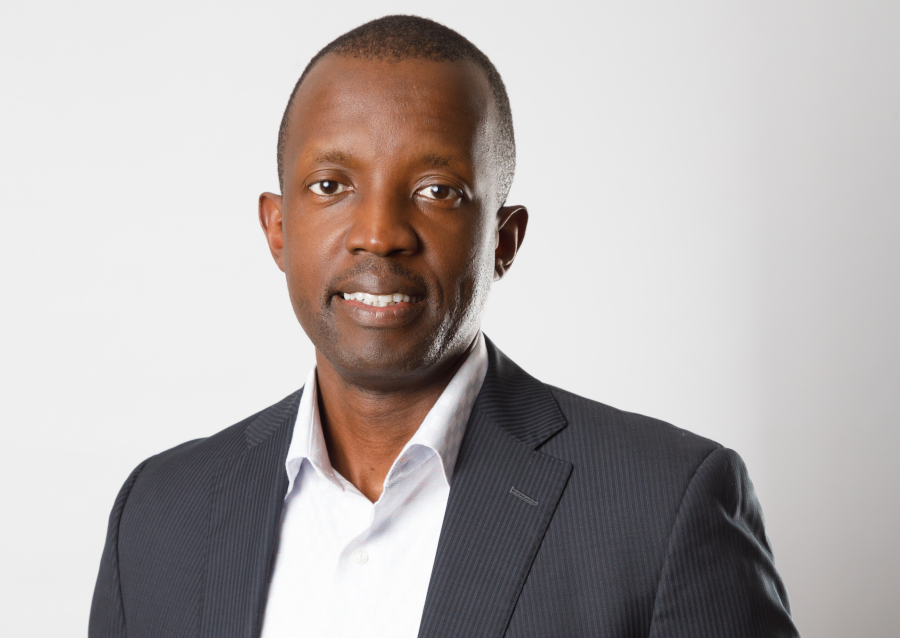
In a recent interview with How we made it in Africa, Sango Capital co-founder Richard Okello outlined the countries where he sees the greatest investment potential.
Okello points first to Egypt, which he describes as “very intentional about becoming a middle-income country”. A key advantage is its population of some 120 million. For businesses, that means a vast market where they can achieve significant scale without ever crossing a border. Thanks to large-scale recent investment, he expects Egypt to soon eclipse South Africa to become the continent’s biggest economy.
The investor is also cautiously optimistic about Nigeria following a series of reforms. Specifically, he highlights the removal of a fuel subsidy that previously cost the government billions of dollars a year, and the move to allow the local currency to devalue sharply, as much-needed corrective measures.
He is equally upbeat about Côte d’Ivoire. The world’s largest cocoa producer has been one of the continent’s fastest-growing economies, averaging more than 6% annual growth over the past decade.
South Africa presents a different kind of opportunity. Okello concedes its broader economic outlook is subdued – a reality underscored by the IMF recently lowering its 2026 growth forecast to just 1.0% due to geopolitical shocks in the Middle East. Yet the country boasts a strong private equity sector, deep markets and seasoned corporate operators. He contrasts this with Ethiopia. Despite posting robust annual growth of nearly 8% over the past decade, Ethiopia’s relatively shallow private sector offers far fewer opportunities for a firm like Sango.
Turning to East Africa, he sees potential in markets like Kenya and Tanzania. While acknowledging some political issues in Tanzania, he expects the country will “probably surprise on the upside” because the government is “doing a lot of big things”. A prime example is a $10 billion railway project designed to link the port of Dar es Salaam to Lake Victoria, and eventually to landlocked neighbours including Rwanda, Uganda, and the Democratic Republic of Congo. With several sections already complete, the network is poised to overhaul the region’s freight transport.
While also bullish on Morocco, the Sango co-founder warns that assets there are getting expensive. Valuations are likely to rise even further as the country prepares to co-host the 2030 football World Cup alongside Spain and Portugal, driving a surge in local investment. “To make money, you have to be able to buy things at the right price,” he says. “You could do that sometimes in Morocco but it’s getting harder.”
Read/watch our full interview with Richard Okello: How to build a $1bn African investment firm
Related articles
Read the full story from the original publication
