




Fresh from the Kitchen: Recipes & Food Inspiration
- Homemade copy of Starbucks Iced Brown Sugar Oatmilk Shaken Espresso, with vanilla and salt-forward syrup and customizable sweetness.
- Adjust sweetness: start with 1 tablespoon, moderate at 2 tablespoons, up to 3 tablespoons; oat milk adds gentle sweetness.
- No espresso machine needed: use Nespresso or Keurig pods, a Moka pot, or cold brew concentrate for strong shaken espresso.
- Store brown sugar syrup in an airtight jar in the fridge up to two weeks; use barista-style oat milk like Oatly Barista Edition for creaminess.
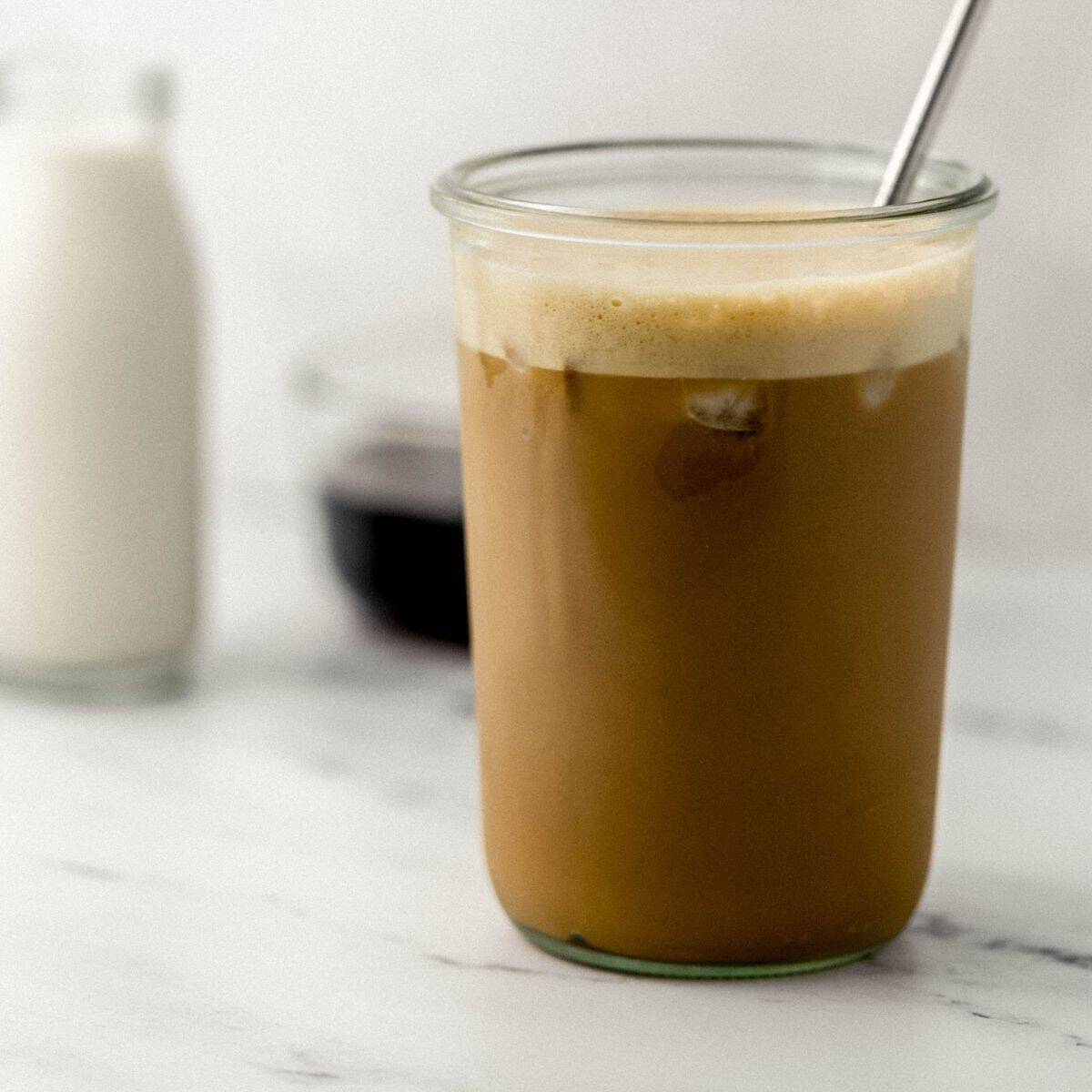
Shaken espresso is exactly what it sounds like. Freshly brewed espresso shaken vigorously with ice and syrup in a sealed jar or cocktail shaker. The shaking process aerates the espresso, creating a frothy foam layer and chilling the drink quickly. It’s different from an iced latte because the espresso itself is shaken (not just poured over ice), which changes the texture and flavor, it becomes lighter, frothier, and slightly more mellow.
Yes! This is my homemade version of the Starbucks Iced Brown Sugar Oatmilk Shaken Espresso. I’ve been making it at home since the drink launched, and I genuinely think the homemade version tastes better. The syrup has vanilla and salt that the Starbucks version doesn’t highlight as clearly, and you get to control the sweetness.
At 2 tablespoons of syrup per serving, this drink is moderately sweet, similar to the Starbucks tall size. If you like your coffee lightly sweetened, start with 1 tablespoon and adjust from there. If you love it sweet, go up to 3 tablespoons. The oat milk adds its own gentle sweetness, so keep that in mind when adjusting.
A single shot of espresso contains roughly 64mg of caffeine, a double shot has approximately 128mg. This recipe uses one to two servings of espresso (one shot per serving glass), so each drink contains approximately 64-128mg of caffeine depending on how much espresso you brew. For comparison, a Starbucks tall Brown Sugar Oatmilk Shaken Espresso has about 150mg of caffeine (2 shots of blonde espresso).
Absolutely. The next best option is a Nespresso or Keurig pod machine with an espresso-intensity setting. After that, a Moka pot makes a strong stovetop coffee that works well. Cold brew concentrate (use about ¼ cup per drink) is another great option. Regular drip coffee won’t give you the same froth when shaken, but it will still taste delicious, just brew it double-strength.
Yes, but the drink will taste slightly thinner and less creamy. Oat milk has a natural sweetness and richness that pairs especially well with the brown sugar syrup. If you use almond milk, choose an unsweetened variety so it doesn’t clash with the syrup. Whole milk, soy milk, or coconut milk all work too. Oat milk is just the most authentic to the original Starbucks version.
Store the syrup in a sealed mason jar or airtight container in the refrigerator for up to two weeks. Some bloggers report it lasting up to four weeks, but I find two weeks is where it still tastes its best. Make a big batch on the weekend and use it all week for daily drinks.
Yes! Skip the ice in the shaker and shake the warm (not boiling) espresso with the syrup in a jar with a tight-fitting lid for about 10 seconds, it will still froth nicely. Pour it into a mug and top with steamed or foamed oat milk. You can also simply stir the syrup directly into a mug of espresso and top with warm oat milk if you don’t want to shake it.
The calorie count depends heavily on how much syrup you use and which oat milk you choose. Using approximately 2 tablespoons of homemade brown sugar syrup and ½ cup of oat milk per serving, the drink is approximately 100-130 calories per glass, significantly lighter than the recipe card’s total batch nutrition might suggest. For reference, a Starbucks grande (medium) is about 120 calories. Always use the recipe card as a starting point and adjust portions to fit your preference.
Barista-style oat milk is my top pick, brands like Oatly Barista Edition or Planet Oat Barista Style are specifically formulated to be creamier and to pour more beautifully over cold drinks. Regular oat milk works fine but is slightly thinner. Avoid light or low-fat oat milk, which can taste watery against the bold espresso.
View the full recipe or story from the original source
