




From Hollywood to Home: Black Voices in Entertainment
- Actors' strike compelled creative networking and collaboration, turning obstacles into momentum for new short film projects.
- Atlanta's industry scale expanded opportunities, prompting focus on film, television, and developing original work like screenwriting.
- His international, mixed-race background brings empathy and curiosity, enriching character work and cultural nuance on screen.
- Subtle cultural differences in humor, greetings, and punctuality taught observation, adaptability, and deeper cultural awareness.
- Take decisive action; Shia LaBeouf's quote "Don't let your dreams be dreams" underlines bold, urgent pursuit of goals.

By Staff
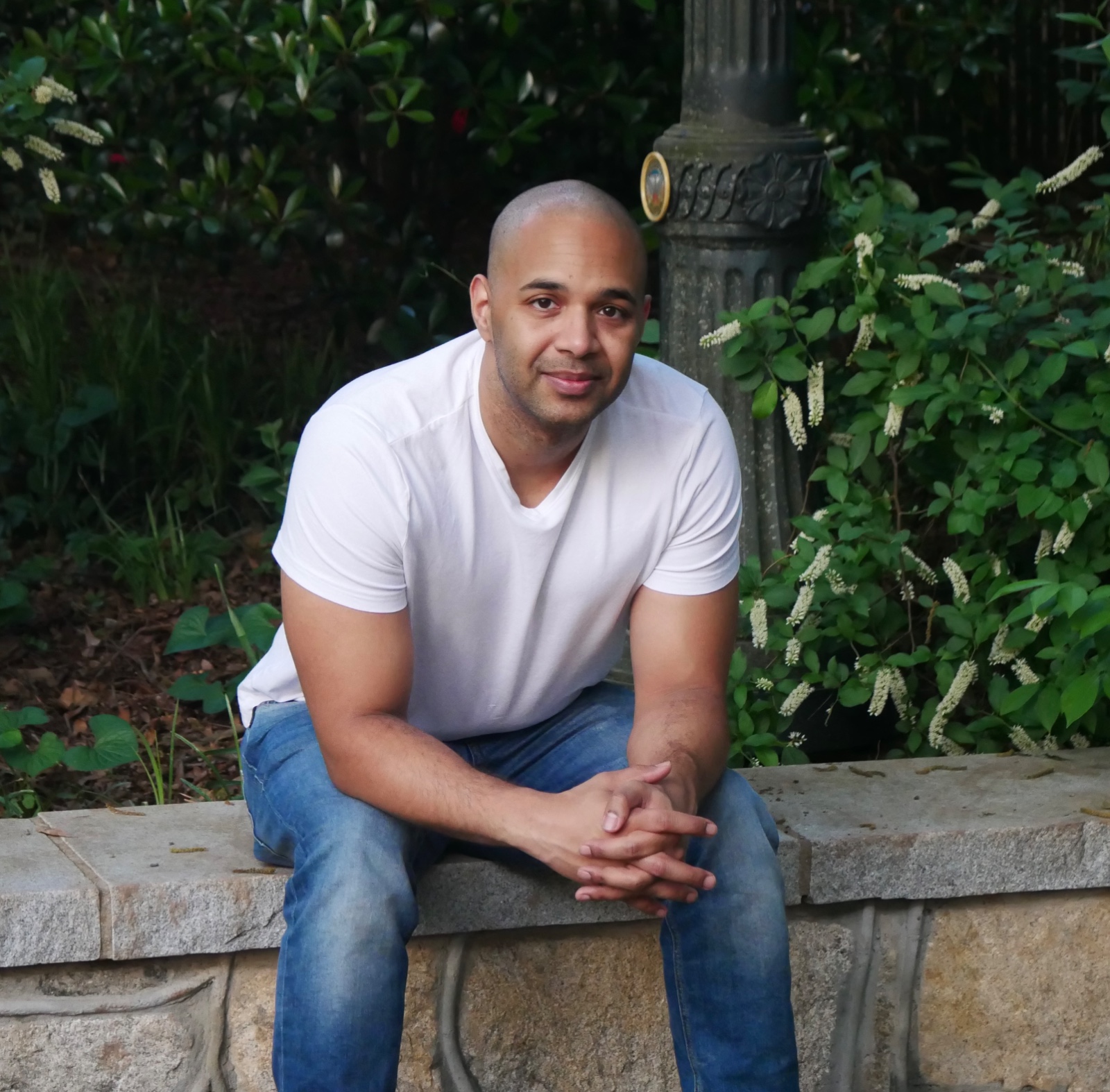
Leaving behind family, friends, a successful nursing career, and the comfort of familiarity is not a decision made lightly. Yet for actor Charles Trowell, the pursuit of purpose demanded exactly that. Trading the streets of Stockholm for the thriving entertainment landscape of Atlanta, Trowell embarked on a journey fueled by passion, determination, and an unwavering belief in his dreams. As he continues to build his career in one of the nation’s fastest-growing production hubs, he brings a unique international perspective, a deep appreciation for storytelling, and the courage to embrace uncertainty in pursuit of artistic fulfillment.
What inspired your decision to leave Sweden and pursue your acting career in Atlanta, and how did that transition shape you personally and professionally?
My decision to move to Atlanta was driven by several factors. I had long admired many of the television shows and films produced here—projects that originally inspired me to perform monologues before I even joined the Actors Studio in Stockholm. Having my older sister already living in Atlanta also made the transition feel more attainable.
Personally, the move required significant sacrifice. I left behind my family, close friends, a meaningful relationship, and a stable career in nursing to pursue a dream that had been calling me for years. While the decision was difficult, I knew that failing to pursue a life that felt truly fulfilling would have led to far greater regret.
Professionally, the adjustment has been both challenging and rewarding. I arrived in September 2023 during the actors’ strike, which created additional obstacles. However, the experience forced me to focus on building relationships, expanding my network, and finding creative opportunities. Today, I am collaborating with fellow artists on an exciting short film project, and I feel energized by the momentum that is beginning to build.
How has living in Atlanta influenced your creative process and expanded your understanding of the entertainment industry?
Atlanta’s entertainment industry operates on an entirely different scale than what I experienced in Sweden. Back home, the industry is relatively small, and most professionals know one another. In Atlanta, the opportunities are broader, the network is larger, and the competition is far more intense.
This environment has pushed me to evolve creatively. While I still appreciate theater, my focus has shifted more toward film and television. I’ve also become increasingly interested in screenwriting and creating my own projects, recognizing that developing original work can be a powerful way to establish my voice and create opportunities.
Coming from an international background, what unique perspective do you believe you bring to the characters you portray on screen?
Growing up in Europe exposed me to a wide range of cultures and perspectives. Many of my closest friends come from diverse backgrounds, which has shaped how I understand people and the complexities of human experience.
Since moving to the United States, I’ve observed that conversations surrounding race and culture often differ from those in Europe. As someone who is both mixed-race and European, I bring a distinctive perspective to these discussions. That broader worldview allows me to approach characters with empathy, curiosity, and a willingness to understand experiences that may differ from my own.
What were some of the biggest cultural or professional adjustments you faced after relocating from Sweden to the United States?
The differences have been less about major cultural shocks and more about navigating subtle social nuances. It often felt like learning an entirely new set of unwritten rules.
Humor, for example, tends to be more direct and less filtered in many parts of Europe. Social interactions can also be different. In Sweden, asking someone “How are you?” usually signals a genuine invitation for a thoughtful response. In the United States, it’s often used as a friendly greeting, which took some getting used to.
Even punctuality reflects cultural differences. In Sweden, arriving at the exact time you’re invited is expected. In America, arriving a little later can sometimes be considered perfectly acceptable. These small distinctions have taught me the value of observation, adaptability, and cultural awareness.
Atlanta has become a major hub for film and television production. What excites you most about building your career in this city during such a dynamic time in entertainment?
What excites me most is the sheer volume and diversity of productions taking place here. Atlanta offers opportunities across virtually every genre imaginable.
I have a deep love for horror and action projects, but I also admire the incredible comedic talent that has emerged from this city. The chance to work alongside performers with elite improvisational skills is especially appealing. Atlanta provides access to the kinds of roles and creative challenges I’ve always dreamed of pursuing.
Can you describe a moment in your journey when you realized the sacrifices of moving abroad were truly paying off?
I believe I’m approaching that moment now. I’ve always held myself to high standards and have been intentional about the type of work I want to create and contribute to.
The project I’m currently involved with feels like an important step forward. While there’s still work to be done, I can see the progress and feel the momentum building. It’s a reminder that persistence and patience are often just as important as talent.
How do you stay grounded and connected to your roots while navigating the competitive nature of the acting industry?
I remind myself that, at the end of the day, I’m simply a person pursuing a profession I love. Everyone’s path is different, and comparison can be a distraction from growth.
Acting is my passion, but it’s also my work. Keeping that perspective helps me remain focused, grateful, and grounded while continuing to enjoy the journey.
What advice would you give to aspiring actors around the world who are considering taking a major leap of faith to pursue their dreams internationally?
Dreams only become reality when we take action. There will never be a perfect time, and there will always be reasons to hesitate.
One of my favorite quotes comes from Shia LaBeouf: “Don’t let your dreams be dreams. Just do it.” While the journey may be challenging, you’ll never know what’s possible unless you’re willing to take that first step.
Social Media
About The Author


Read the full article on the original site
