




Black Voices: Automotive News Across the Nation
- Prioritize routine maintenance and inspections to catch small issues before costly breakdowns during peak season.
- Create backup plans with spare parts, multiple suppliers, and access to backup machinery to prevent seasonal disruptions.
- Keep detailed maintenance logs and records to speed troubleshooting, reveal patterns, and schedule preventive work before failures.
- Plan labor needs early and use technology to monitor equipment, track inventory, and enable faster decisions when timing matters.
By Alison Green
Resilient farm operations do things differently long before harvest season by prioritizing maintenance, planning, recordkeeping, and contingency measures that help keep critical work moving when challenges arise.
Harvest season is the busiest time of the year, the period when months of planning, investment, and hard work are finally put to the test. When equipment breaks down or unexpected challenges emerge, the impact can be immediate.
The stakes are high. According to the USDA Economic Research Service, America’s farms contribute more than $200 billion to U.S. GDP, underscoring how much depends on reliable agricultural operations.
By the time harvest season arrives, many of the most important decisions have already been made. Resilience is built during the quieter months, long before it is ever needed.
Is Farming Profitable in the U.S.?
Farming can be profitable, but profitability is rarely determined by crop yields alone.
A farm may have strong production and still face challenges from rising input costs, equipment breakdowns, labor shortages, or weather-related disruptions. Small setbacks can quickly become expensive when they occur during planting or harvest, when every day matters.
This reality helps explain why resilience has become such an important part of modern farm management. The ability to adapt, recover, and keep operations moving can be just as valuable as a productive growing season.
What Is a Resilient Farm Operation?
A resilient farm operation is not one that avoids every challenge.
Weather events, equipment failures, supply delays, and labor shortages can affect even the best-run farms. What sets resilient operations apart is how they respond when those disruptions occur.
In agriculture, resilience is built through preparation. The farms that recover fastest from setbacks are usually the ones that have already invested time in maintenance, planning, record-keeping, and contingency measures long before harvest season arrives.
Equipment Problems Are Addressed Before They Become Emergencies
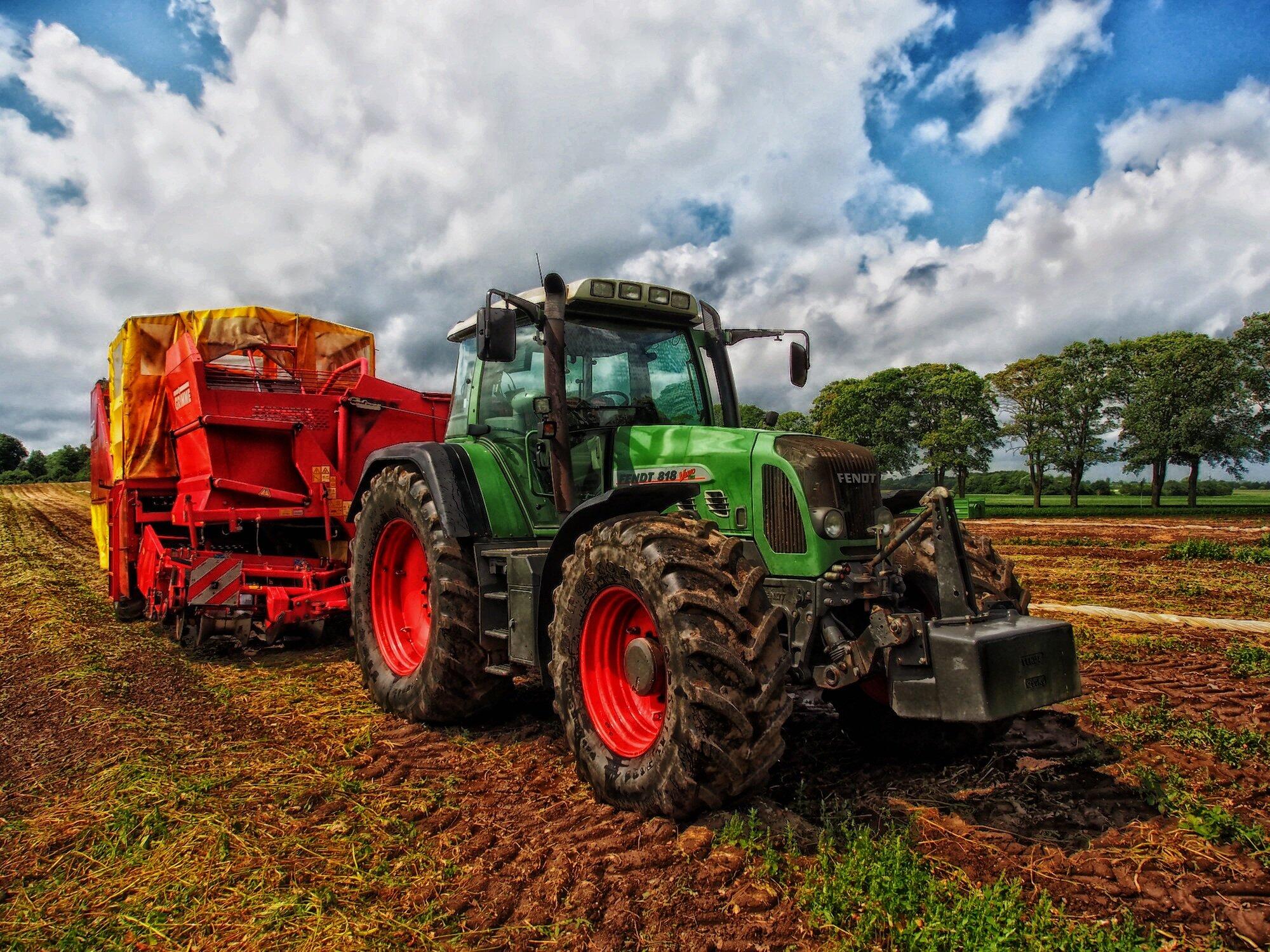
Few things are more frustrating than discovering a mechanical problem when a tractor, combine, or other piece of equipment is needed immediately.
Resilient farm operations try to uncover those issues during slower periods of the year. Worn belts, leaking hoses, failing bearings, and other maintenance concerns are easier and less expensive to address before they lead to a breakdown in the middle of a busy season.
Repairs tend to go more smoothly when information is easy to find. Having access to parts information, service records, and agriculture vehicles repair manuals can help operators identify problems faster and keep equipment in working condition when timing matters most.
For many well-run agricultural farms, avoiding downtime is about reducing the chances of being caught off guard when critical equipment is needed most.
They Build Backup Plans for Critical Operations
Every farm relies on a handful of activities that cannot afford long delays.
Planting windows can be missed, harvest schedules can shift, and deliveries can arrive late. When those situations arise, resilient operations are less likely to make decisions from scratch.
Some keep spare parts on hand for frequently used equipment. Others maintain relationships with multiple suppliers or have access to backup machinery when needed.
The specifics vary from one operation to another, but the thinking is similar. A backup plan may never be needed, but having one can make the difference between a temporary setback and a disruption that affects the entire season.
Small Maintenance Tasks Receive More Attention Than People Realize
Major equipment failures typically start as minor issues.
A loose belt, low fluid level, or worn tire may not seem urgent on a busy day. Left unchecked, however, small problems can turn into expensive repairs or unexpected downtime during critical periods of the season.
Resilient farm operations stay on top of routine tasks such as:
- Checking and replacing worn belts
- Monitoring fluid levels
- Inspecting tires and tracks
- Lubricating moving components
- Replacing damaged hoses
- Testing batteries and electrical systems
None of these jobs is particularly exciting. Their value comes from preventing larger problems that could interrupt operations when equipment is needed most.
Record-Keeping Makes Decisions Easier
Farm record-keeping rarely gets the same attention as equipment or crop production.
Yet when a machine starts showing signs of trouble, maintenance records can provide valuable context. Knowing when a component was last replaced, how frequently repairs have been made, or whether a recurring issue has appeared before can make troubleshooting much easier.
Good records can also help farms plan ahead. Instead of reacting to breakdowns, operators can identify patterns and schedule maintenance before problems affect daily operations.
A maintenance log may not seem important on a quiet afternoon, but it becomes much more valuable when a machine is down and time is running short.
FAQs
How Can Weather Affect Farm Resilience?
Weather can disrupt planting schedules, field access, harvesting timelines, and crop quality. Resilient operations build flexibility into their plans so they can adjust when conditions change unexpectedly.
Why Do Supply Chain Delays Matter for Farms?
Many farms depend on timely deliveries of parts, fuel, seed, fertilizer, and other inputs. Delays can create operational challenges, particularly during busy periods when replacement items are needed quickly.
Do Smaller Farms Need Resilience Planning?
Yes. Unexpected disruptions can affect farms of any size. Preparing for equipment issues, labor shortages, or supply interruptions can help reduce operational risks regardless of acreage.
What Role Does Technology Play in Farm Resilience?
Technology can help farms monitor equipment performance, track maintenance schedules, manage inventory, and improve decision-making. The specific tools vary, but access to accurate information can support faster responses when issues arise.
Why Is Labor Planning Important Before Harvest?
Harvest activities require additional coordination and manpower. Planning ahead can help farms avoid scheduling challenges and ensure critical tasks are completed within narrow timeframes.
Can Preparation Actually Save Farms Money?
It can. Avoiding a major breakdown during planting or harvest is less expensive than dealing with repairs, delays, and lost productivity after the fact.
Resilience Is Built into Farm Operations Long Before It Is Needed
When harvest season arrives, there is rarely time to start preparing.
The farm operations that tend to navigate disruptions most effectively are often the ones that spent months maintaining equipment, reviewing plans, and getting ready for challenges they hoped would never happen.
Keep reading for more news and analysis on agriculture, business, and the challenges shaping today’s economy.
Read the full article on the original publication
