




Voices, Votes & Vision: The Latest in Politics & Public Policy
- LeBron repeatedly changes teams, appearing to pursue the easiest path to titles rather than building a lasting franchise.
- Michael Jordan stayed in Chicago, building a dynasty that linked greatness to loyalty, adversity, and uplifting a franchise.
- GOAT debates hinge on choices under adversity, not roster shopping; LeBron's moves recast greatness as opportunism.
- Magic, Bird, Duncan, and Curry endured rebuilding and losses, giving their legacies different, heavier weight.
- Finding contenders is a skill, but not the mark of the greatest; LeBron excels at joining winners, not building them.
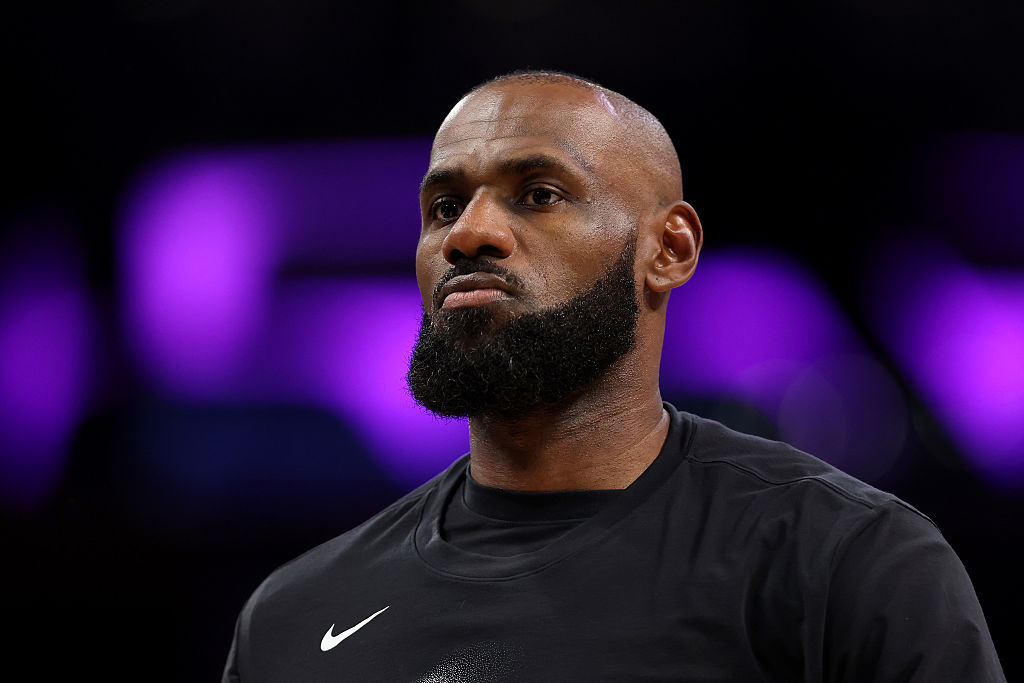
King James is taking his talents to Philly, joining Jaylen Brown and Joel Embiid for one last ring chase. But while Michael Jordan earned his legacy by staying in Chicago and building a dynasty through adversity, LeBron is relying on his old playbook: finding the easiest path. That’s why he will never reach Jordan-level greatness—and why the GOAT debate is officially over. And he ain’t it.
For decades, greatness in the NBA meant more than just collecting rings. It also meant staying with a team, enduring the losing seasons, and ultimately uplifting the franchise that believed in you. That’s why the legacies of Jordan, Magic, Bird, Duncan, and Curry carry a different kind of weight: they didn’t just win championships, they built something that couldn’t have happened anywhere else.
When Cleveland couldn’t get over the hump, he bolted for Miami to join Dwyane Wade and Chris Bosh. When Miami had run its course, he went back to Cleveland to team up with Kyrie Irving and Kevin Love. When that window closed, he headed to Los Angeles, where Anthony Davis eventually arrived. Now, with one final chance to define his legacy, he’s following a familiar playbook: looking for the next shortcut.
Some will ask why this move suddenly ends the GOAT debate. After all, LeBron has been changing teams for years.
Because this isn’t just another stop. It’s the final chapter of his career. Earlier moves came with plausible explanations. Miami came before his first championship. Cleveland was a homecoming. Los Angeles could be defended as a business decision.
Philadelphia strips away every remaining excuse. At 41, with nothing left to prove except his legacy, LeBron made the exact same choice one more time. When every chapter of your career ends the same way, it stops looking like circumstance and starts looking a whole lot like character. And yes, Cleveland’s front office failed LeBron early. Nobody disputes that. But GOAT debates aren’t about who had the best general manager. They’re about the choices players make when adversity hits.
If you’re constantly changing teams because someone else has built a better roster, you’re not proving you’re the greatest. You’re proving you’re the greatest at finding the easiest path to a championship.
Michael Jordan stayed in Chicago and built a dynasty. Magic stayed with the Lakers. They didn’t spend their careers asking, “Where can I win next?” LeBron has made that question the defining theme of his career.
LeBron’s defenders specialize in moving the goalposts. It’s what they’ve done with every move the man has made. Winning used to mean building something, sticking through the losses, and eventually reaching the top. Not anymore. The definition of greatness changed the moment LeBron started changing jerseys.
Building a championship team is hard. LeBron has discovered that joining one is much easier. Bird stayed in Boston. Duncan stayed in San Antonio. Curry didn’t pack his bags after blowing a 3-1 lead; instead, he took his lumps and found a way to win despite adversity.
LeBron’s approach is different. Why build a contender when you can join one?
So congratulations to LeBron. He found another contender. That’s a remarkable skill. It’s just not one that makes you the greatest basketball player who ever lived.
Read the full article on the original site
