




Food & Beverage News: Insights, Safety, and Dining Trends
- Violet-blue photodynamic inactivation (VB-PDI) eliminated all tested Campylobacter strains in laboratory experiments, prompting further trial recommendations.
- Treatment killed every tested Campylobacter strain regardless of species or antibiotic resistance profile.
- Researchers from the University of Reading and the Animal and Plant Health Agency conducted the study.
- Campylobacter is the most common cause of bacterial gastroenteritis worldwide; cross-contamination from raw chicken drives infections.
- Study evaluated 64 diverse Campylobacter strains, supporting broad-spectrum effectiveness of VB-PDI in laboratory conditions.
The method does not require physical contact with the food or added chemicals.
Published:
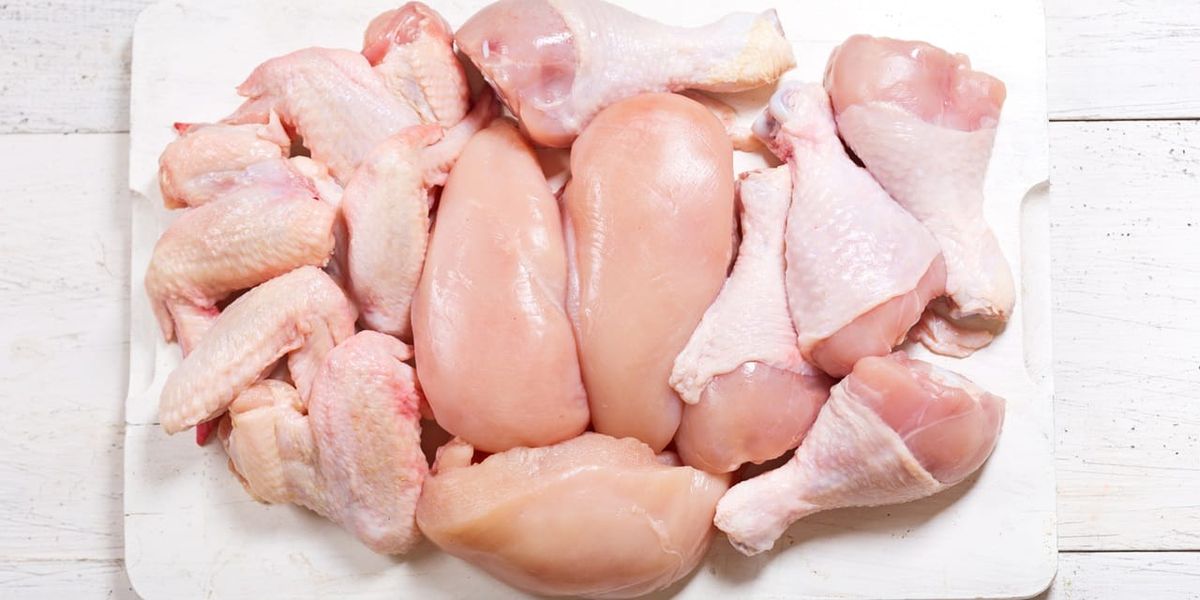
The use of blue light to reduce Campylobacter on chicken is a promising option but more trials are needed, according to findings from a study.
Scientists from the University of Reading and the Animal and Plant Health Agency tested a technique called violet-blue photodynamic inactivation (VB-PDI) against 64 different strains of Campylobacter. Every strain was killed by the treatment, regardless of species or antibiotic resistance profile.
Campylobacter is the most common cause of bacterial gastroenteritis worldwide. In 2024 and 2025 there were 70,000 laboratory confirmed cases in the UK. While it is killed by cooking, cross-contamination from handling raw meat is thought to be a major route of infection.
Your Support Protects Public Health
Food Safety News is nonprofit and reader-funded. Your TAX-FREE gift ensures ongoing coverage of outbreaks, recalls, and regulations for everyone.
Read the full article from the original source
