




Black Voices: News, Culture & Community from Across the Nation
- Tallia Lee created the mantra It’s A Beautiful Day to be Black to celebrate Black positivity and artistic expression born from Black Lives Matter.
- She rapidly scaled the brand in 2020, learning tough lessons about organization, legal structure, and sustainable growth.
- Lee emphasizes transparency, crediting Black creatives, fighting knockoffs with legal support, and sharing lessons to uplift the community.
Tallia Lee always knew she wanted to be an entrepreneur; from her passion for makeup to her love for event planning, she knew her business spirit would take her far. “Going from one thing to the other, and building all these skills, that allowed me to just keep learning new things, and create and have some artistic expression,” she told EBONY.
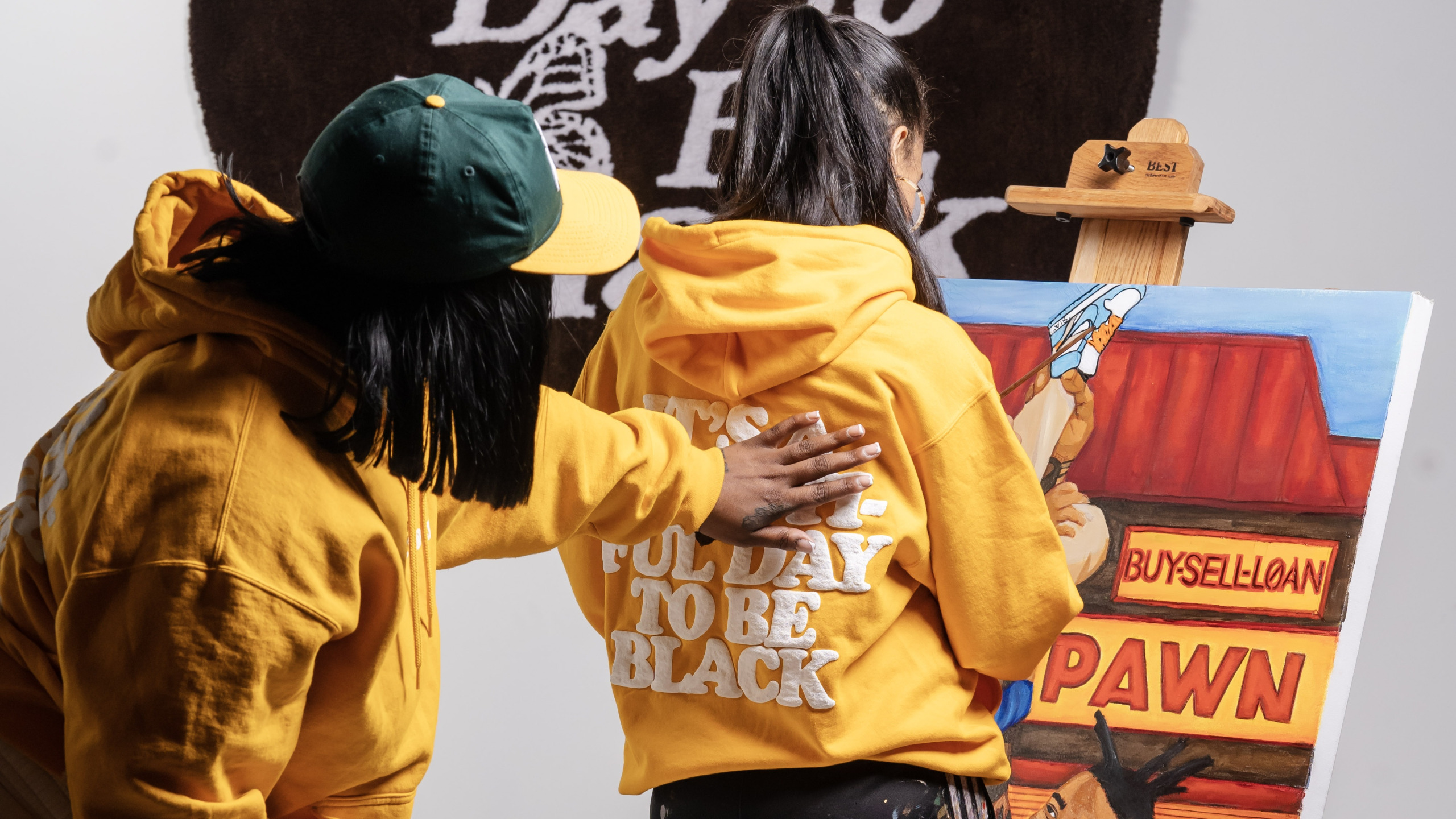
Through those skills, the 29-year-old decided to take a leap of faith and build her brand, “It’s A Beautiful Day to be Black,” a fun mantra that took over. She launched her brand in 2020 as young creatives were looking to find a way to stand for more inclusivity and create art that leaves a legacy of what the next generation represents.
As she’s figuring out the next phase of her brand, she’s approaching her business with more transparency. It’s no secret that things have changed for Black creatives, from a lack of funding to tariffs affecting business expenses. For Black Business Month, she opens up about the start of her business, imploring people to credit Black creatives and the importance of knowing when to scale back.
EBONY: Through your journey of finding what you wanted to do, how did the concept of “It’s a Beautiful Day to be Black” start?
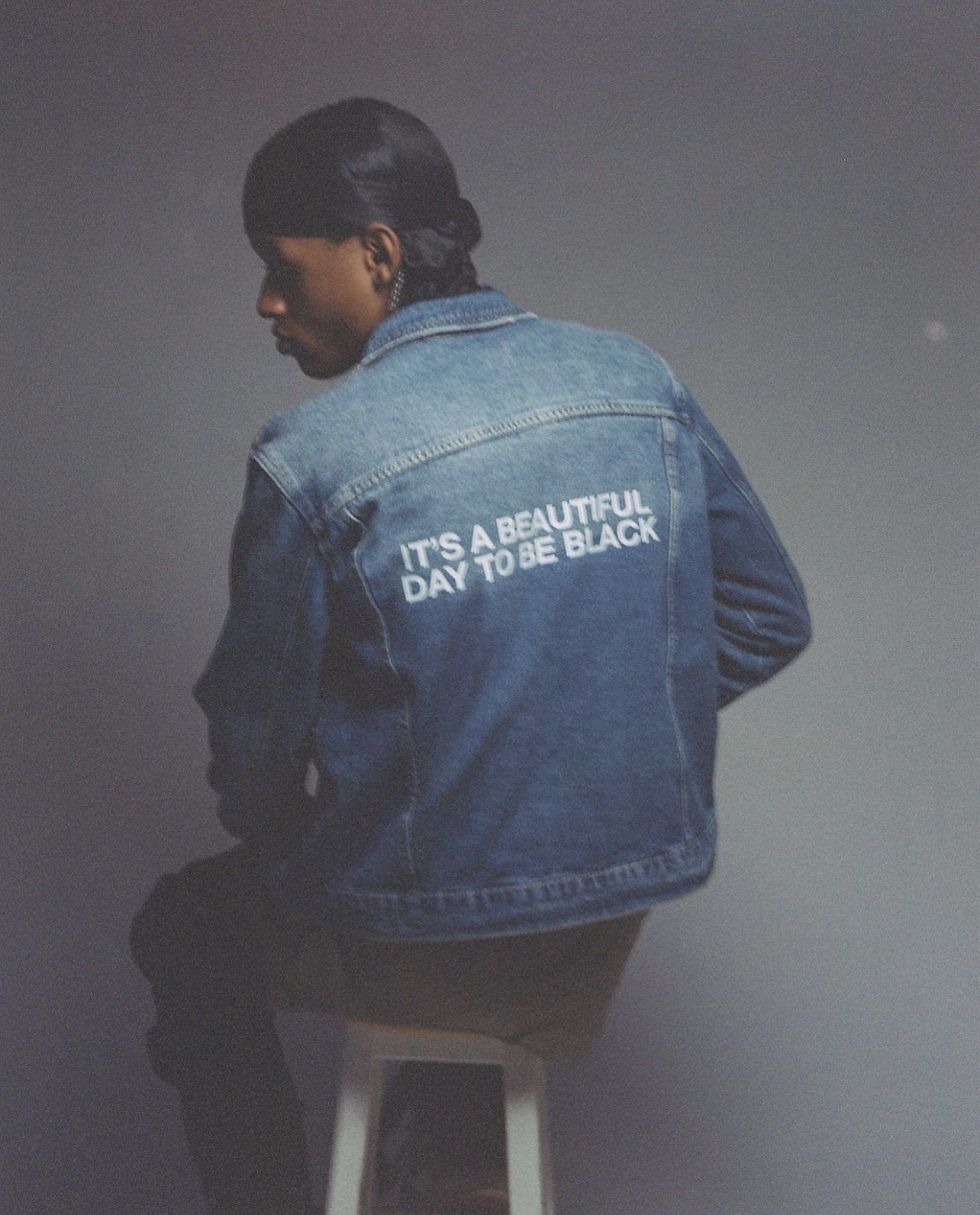
Tallia Lee: I came up with that phrase, I want to say, in 2018, and it was so casual. It was a play on Mr. Rodgers ‘It’s a Beautiful Day in the Neighborhood.’ It was born out of Black Lives Matter. I just wanted to provide something that had a positive connotation, because ultimately, that’s what I feel, that it’s a beautiful day to be Black just highlights the beauty and positivity of our experience as Black people.
What did the early days of the brand look like?
I didn’t intend the name to exclusively be a clothing brand, but I just knew I wanted it to be a household phrase that would spread, and that people would be able to identify with it. My thought process was to create something that would be wearable, and people could wear it with pride. In 2020, when George Floyd was killed, I wanted to contribute artistically. Art is born out of necessity. It wasn’t that strategic; it was like ‘I’m going just to drop these’ and spread like wildfire, and I didn’t set out to have a clothing brand; it was just a phrase I came up with, and everything fell into place after.
That’s so telling how fast things move thanks to social media. What are some of the things you’re learning hands-on as you build this business?
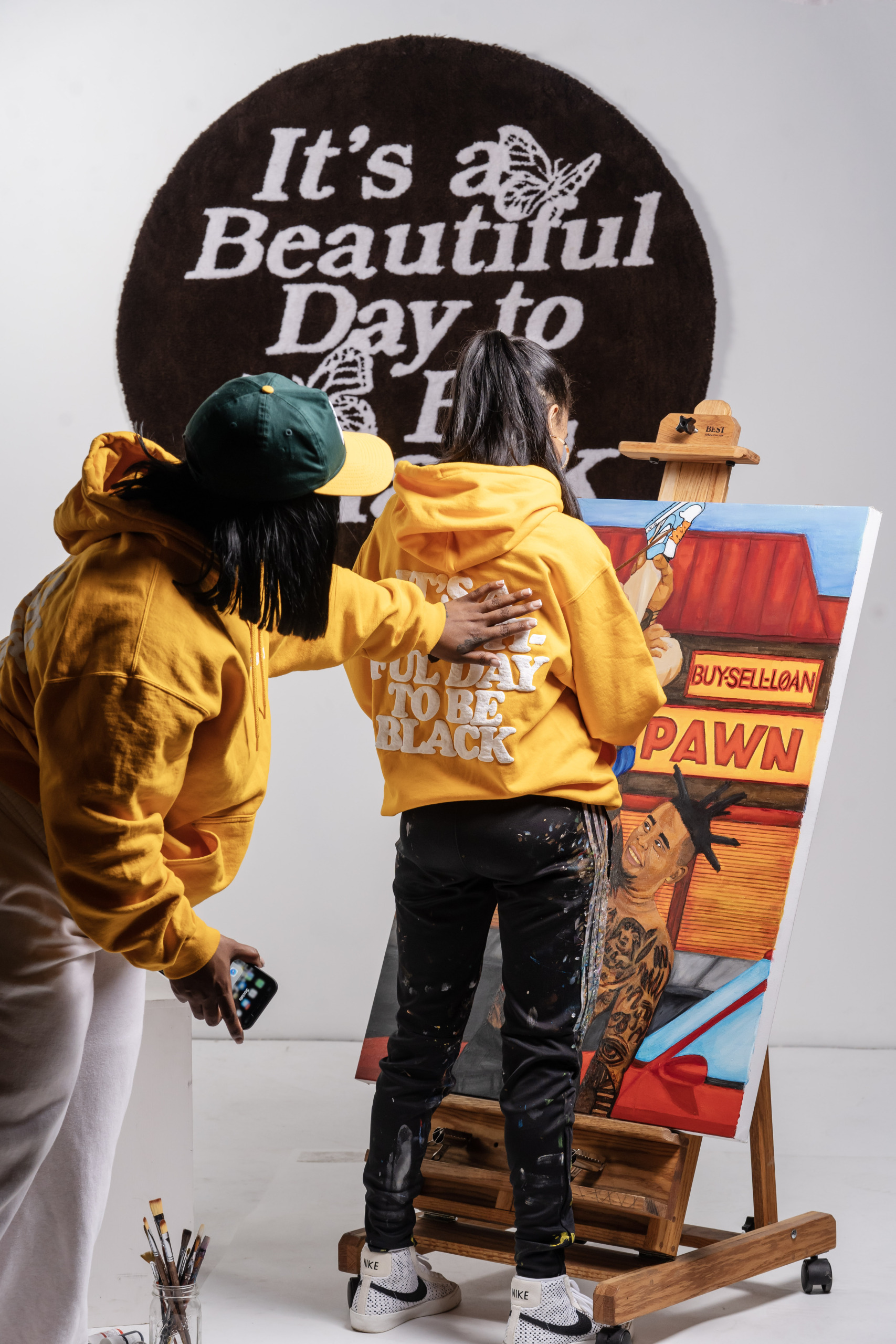
So much because it was nothing that I initially set out to do. Going backwards put me in a predicament to learn lessons the hard way, because I didn’t have my ducks in a row to create a brand the legitimate way. For me, it was like this was out there and I needed to create some type of structure. It taught me to be as organized as possible because there are still going to be things that transpire that are out of your control. Things popped off in 2020, and that was COVID-19. Everything is going digital, and things are changing. It was a great time to start a business, but it was a hectic time in terms of logistics and operations.
I always tell people that coming into any entrepreneurial endeavor is just to do your research to make sure you have an understanding of what you’re getting yourself into and know the legal side of things, so the purpose for even starting doesn’t get overshadowed because you weren’t able to do the things structurally [to succeed].
You’ve opened up about other brands using your phrase. How would you say you are better protecting your brand and likeness?
The first way I would say is to make sure that I’m able to sustain versus before, if I’m being honest, [the business] grew out of proportion, and I allowed for it to scale way too fast because I was excited. Now, my thought process has been that we’re not spending this time away just to relaunch in the same manner as we operated before.
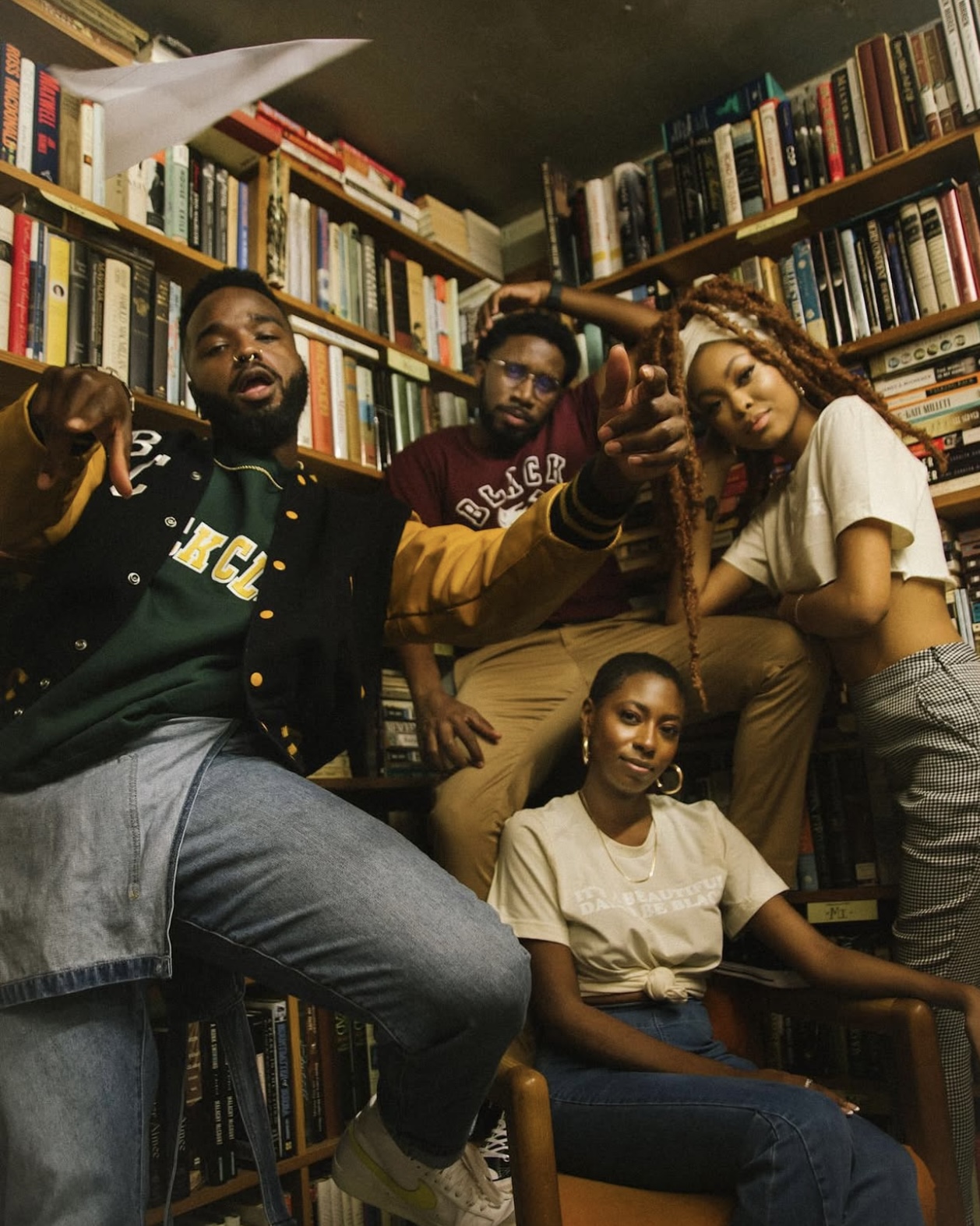
As far as the knockoffs, it’s something I’m working on with an attorney, and having systems in place that can help to make sure things go smoothly. There have been so many remakes [of the phrase], and especially around Juneteenth or Black History Month, and I’m always conflicted about being credited in some way, but at the end of the day, it’s still cool, so it’s conflicting for sure.
Why do you think it is so important to continue to have transparency within the business realm?
Ultimately, we are responsible as a demographic; we’re responsible for our advancement. If we can continue to share our stories, then we help one another and learn from each other. I don’t want anyone to experience [these challenges], and if I can do what I can to express my experience so that [the next person] doesn’t have to learn that lesson the same way, that helps us feel connected and shows other people not to feel alone.
This conversation was edited for clarity and brevity.
Read the full article on the original publication
