




Wellness That Matters: Black Health News & Community Care
- Traditional knowledge: African herbalists pass down generational remedies, preserving regional healing practices and cultural medical wisdom.
- Key medicinal plants: Rooibos, Aloe Vera, Baobab, African Ginger, and Devil’s Claw offer diverse health benefits.
- Modern resurgence: Growing global interest in natural, sustainable remedies brings African herbs into contemporary wellness and markets.
African herbal remedies have been in use for a long time because of the continent’s rich botanical landscape. Different regions have a unique blend of herbs they use to make their treatment. These remedies have been influential in African medicine systems for millennia. However, the arrival of technology and science overshadowed their use, but many are seeking them again as they lean towards natural remedies. So, which are the most common African herbal remedies?
African Herbal Remedies to Consider For Natural Treatment
Specialists who administer these remedies are referred to as herbalists or traditional healers. Their knowledge is passed down from generation to generation, which gives it an air of mystery, considering that the information isn’t imparted in public settings like modern medicine in schools.
Become an insider. Subscribe to our newsletter for more top trending stories like this!
Rooibos (Aspalathus linearis)
Rooibos (Aspalathus linearis) is one of the most prominent African herbal remedies. It originates from Cape Town, South Africa. It’s mostly used to make Rooibos tea. Its red colour comes from the fermentation process. This tea is believed to have properties that protect the heart and prevent age-related changes to the brain. Some people use Roobois to cure hay fever, diabetes, heart disease, and anxiety.
Also Read: African Superfoods List: Dishes You Should Add to Your Diet
African Ginger (Siphonochilus aethiopicus)
The African Ginger belongs to the ginger family, Zingiberaceae. Its name, Siphonochilus aethiopicus, comes from siphon and chilus, meaning tube. It’s used as a herbal medicine in Sub-Saharan Africa to treat conditions such as severe coughs, influenza, pain, inflammation, and malaria. Furthermore, its rhizomes and leaves are used to heal menstrual pain.
Baobab (Adansonia digitata)
The African Baobab is the most widespread indigenous species of the genus Adonisia. The tree grows in the dry, hot savannas of sub-Saharan Africa and is a source of food, water, health, or providing shelter. For health remedies, it’s used to treat conditions such as eczema, diabetes, and others.
Also Read: 6 Foods to Avoid While Breastfeeding: What Not to Eat for a Healthy Baby and Milk Supply
Aloe Vera
Aloe Vera is among the most common African herbal remedies. It largely grows in the hot, dry, and subtropical regions. This plant is used to treat burns, heal wounds, and is being promoted to treat diabetes, heartburn, and inflammatory bowel syndrome (IBS). However, some of these aloe vera benefits need to be studied further to prove the benefits it’s claimed to have.
Also Read: Which African Country Has the Best Medical Schools?
Devil’s Claw (Harpagophytum procumbens)
Devil’s Claw (Harpagophytum procumbens), native to southern Africa, is known for its anti-inflammatory and pain-relieving properties. Traditionally used by the San and Khoisan peoples to treat arthritis, fever, and digestive issues, it’s now globally recognized and used in supplements and creams for joint and muscle relief.
Become an insider. Subscribe to our newsletter for more top trending stories like this!
Rich in harpagoside, it’s supported by modern studies and featured in European herbal medicine guides. Due to overharvesting, sustainable collection efforts are now vital to preserve this powerful African remedy.
African Medicine Receiving Increasing Interest
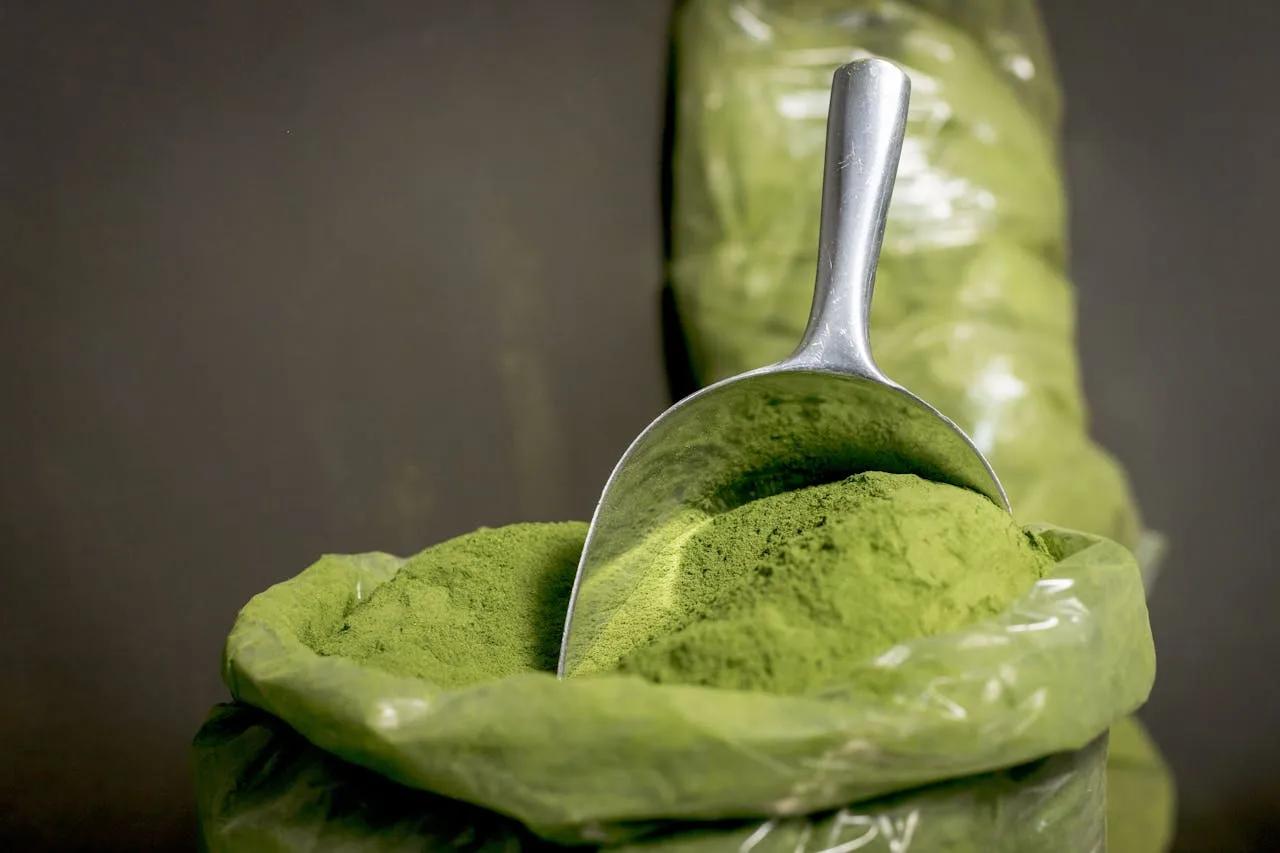
As global interest in natural and holistic health grows, African herbal medicine is gaining renewed attention. From moringa powders on supermarket shelves to baobab smoothies in wellness cafes, these ancient plants are finding a place in the modern world.
It goes to show that the herbal healers have always been relevant. In a world where people are continuously frowning upon chemically processed medicine, these herbs remind us of our connection to nature and their unique properties.
Nearly 80% of consumers visit directories with reviews to find a local business. List your business for free in our exclusive Spotcovery Black-Owned Business Directory.
Become an insider. Subscribe to our newsletter for more top trending stories like this!
Spotcovery offers unique and fresh daily content on Black culture, lifestyle, and experiences. We talk about everything black, black people, black-owned and black-owned businesses. We also deliver authentic and relevant content that will inform, inspire, and empower you! The future of black media is critical to today’s black experience! Our primary audience includes African Americans, Africans, Afro-Caribbean, and people of African heritage. Black culture is for the culture!
Become an insider. Subscribe to our newsletter for more top trending stories like this!
Read the full article on the original site
