




Aging Well: News & Insights for Seniors and Caregivers
- Practice empathy by listening, validating feelings, and fostering social connection to reduce isolation and preserve dignity.
- Encourage gentle, purposeful movement through everyday tasks and low-impact classes to build strength, balance, and confidence.
- When needs exceed home care, consider professional communities like Bonaventure Senior Living to restore safety, independence, and healthier family roles.
- Adapt the home, remove hazards, celebrate small victories, and prioritize caregiver self-care to sustain long-term support and optimism.
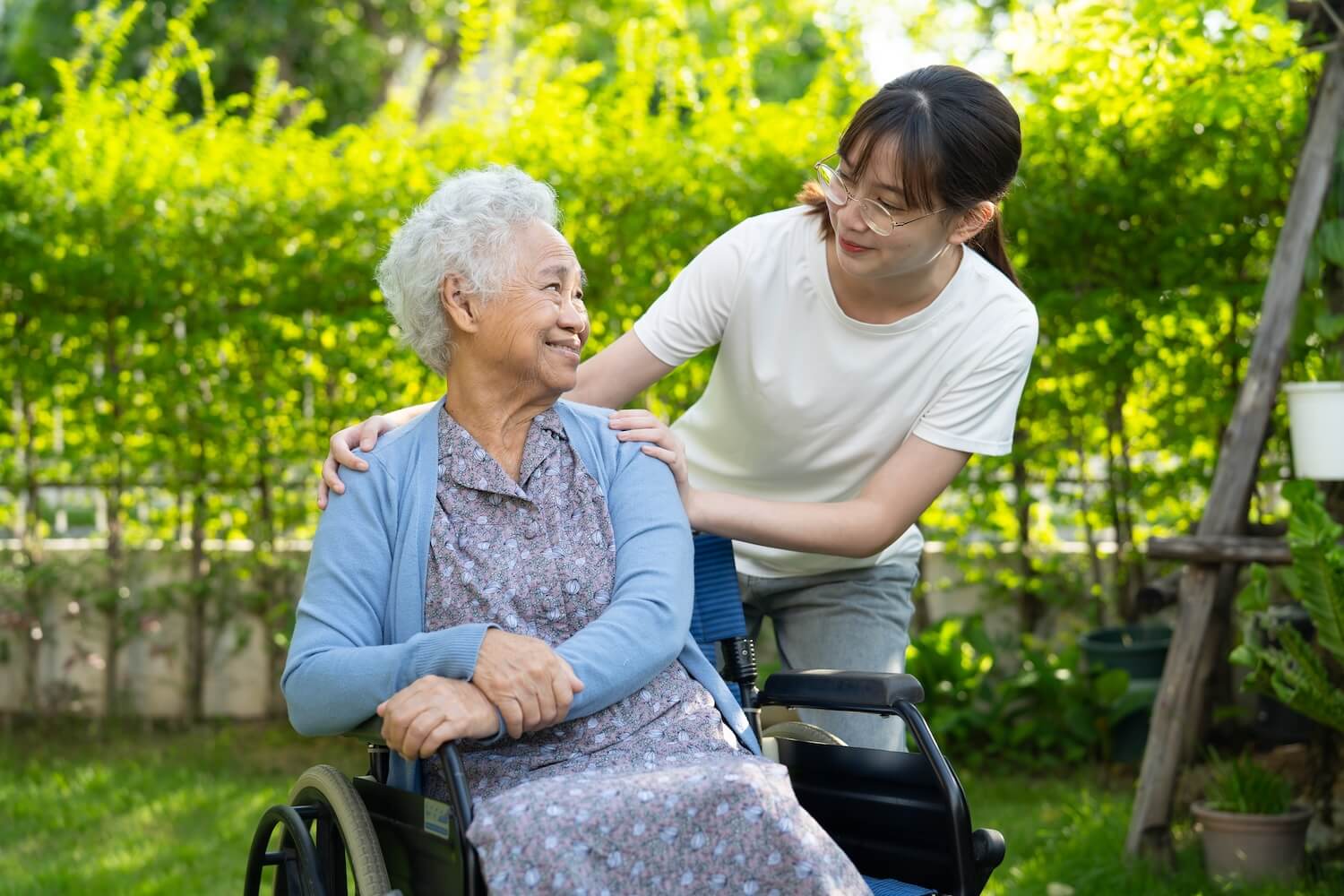
Life is often described as a series of chapters, each with its own rhythm and set of challenges. For many seniors, the transition into the later stages of life brings about a “season of change” that can feel both overwhelming and deeply personal. It is a time when the physical capabilities that were once taken for granted may begin to shift. Perhaps a flight of stairs feels a bit more daunting, or the daily walk to the park has been replaced by a cautious seat on the porch due to a fear of falling. Watching an older family member experience these changes can be difficult for loved ones, but it also presents a profound opportunity to offer support that preserves their dignity and rebuilds their confidence.
Supporting a senior through physical transitions is not just about installing grab bars or managing medications; it is about providing a foundation of empathy, movement, and community. By understanding the barriers to activity and the emotional weight of these changes, families can help their loved ones navigate this journey with grace.
The Power of Empathy and Connection
The first step in helping a senior adapt to physical changes is often the most overlooked: listening. Major life transitions, whether they involve a change in health or a move to a more supportive living environment, can be stressful and isolating. It is essential to create a safe space where a senior can express their concerns without judgment. By asking open-ended questions and validating their feelings, you show that their voice still matters.
Isolation is a significant risk when physical mobility declines. When it becomes harder to get around, seniors may stop attending the social events or community activities they once loved. As a family member, you can bridge this gap by encouraging them to stay connected through technology or by facilitating social visits. Helping them maintain these bonds ensures they feel supported and less alone as they navigate new physical realities.
Overcoming Barriers to Physical Activity
It is a common misconception that “slowing down” is an inevitable and unchangeable part of aging. While mobility changes are natural, they do not have to define a senior’s future. In fact, staying active becomes more critical as we age to maintain muscle strength, bone density, and balance. However, many seniors resist movement because of valid fears, most notably the fear of falling.
To help a loved one regain confidence, it is important to address these barriers thoughtfully. The goal is to find activities that energize rather than exhaust. Movement does not have to mean an intense gym routine; it can be as simple as folding laundry, tending to indoor plants, or taking a short walk to the mailbox. These low-level movements around the home maintain a sense of purpose and contribute to cardiovascular health without feeling like “exercise”.
As confidence builds, families can encourage more structured activities. Many communities offer senior-friendly sports like modified pickleball, golf with a cart, or water aerobics. Focusing on balance exercises, such as standing on one foot while holding a sturdy chair, can significantly reduce the risk of trips and falls, providing the security needed to handle daily tasks independently.
Transitioning to Professional Support
There often comes a point where the physical needs of a senior exceed what a family can provide at home. This is a delicate transition, and the decision to seek professional help is often met with resistance or guilt.
However, it is important to recognize that professional support is often the most effective way to ensure a senior stays active, safe, and socially engaged.
This is where the concept of “Retirement Perfected” comes into play. In a dedicated community, the focus shifts from the burden of daily chores to the joy of living. Bonaventure Senior Living was founded on the principle that senior living should meet the highest possible standards, yours. By providing a supportive and gracious environment, professional care allows seniors to enjoy the freedom to do what they want, when they want, without the stress of home maintenance or cooking.
When a senior moves into an assisted living environment, they gain access to 24-hour staff and emergency call systems that provide immediate peace of mind. This safety net actually fosters independence, as residents feel more confident exploring the community’s amenities, from fitness centers and libraries to movie theaters and hobby rooms, knowing that support is always nearby if needed.
Restoring the Family Dynamic
One of the most significant benefits of professional senior living is the positive impact it has on the family unit. When a senior family member struggles at home, loved ones often step into the role of a “family caregiver”. While this is done out of love, the burden can be staggering. A family caregiver might spend over 100 hours a month on unpaid care, often without professional training.
The stress of this role is not just mental; it is physical. Family caregivers are more likely to get sick themselves because high stress levels can lower the immune system’s ability to fight off viruses. More importantly, the constant demand for care can strain the bond between family members. The senior may feel depressed or “weak” because their children are caring for them, while the children may experience burnout.
By choosing a community like Bonaventure Senior Living, families can relinquish the role of the exhausted caregiver and return to being a son, daughter, or spouse. When professional staff handles the housekeeping, linen services, and nutritious, chef-inspired meals, the time spent together can be focused on building memories and strengthening bonds.
Creating a Safe and Inspiring Environment
Adapting to physical changes is easier when the environment is designed to support those changes. For seniors aging at home, this might mean a safety checklist: removing loose rugs, ensuring adequate lighting, and installing grab bars in the bathroom.
In a senior living community, these features are built into the fabric of the home. Private suites are designed to be bright and cheerful, flooded with natural light from large windows. These spaces feature fully accessible bathrooms, individually controlled thermostats, and kitchenettes or full kitchens. Residents are encouraged to bring their own furniture and treasures, making the space truly their own while benefiting from the subtle safety features that promote confidence in every step.
Furthermore, specialized transportation services remove the anxiety of driving to medical appointments or running errands. Whether it is a trip to the supermarket or a group outing to a local museum, seniors can remain active in the wider community without the physical stress of navigation and parking.
The Importance of Self-Care and Celebration
Throughout this process of adaptation, it is vital to celebrate small victories. Recognizing progress, whether it is a senior successfully attending a new fitness class or a family finally enjoying a meal together without discussing care schedules, helps maintain an optimistic mindset.
At the same time, caregivers must remember to take care of themselves. Supporting a senior through major transitions is demanding. Getting enough rest, eating well, and seeking your own social support are essential to being the best advocate for your loved one.
When the time is right, exploring your options can provide the clarity needed for the next chapter. Bonaventure Senior Living offers a variety of individualized options for independent living, assisted living, and memory care, all provided on a flexible month-to-month basis without the need for long-term leases or buy-ins. This flexibility ensures that the choice to move is based on the desire for a better lifestyle, providing the “freedom to move” whenever life changes.
Frequently Asked Questions
How much activity is actually need?
While the general recommendation is roughly 150 minutes of moderate activity per week, any amount of movement is beneficial. Starting with just 5 to 10 minutes of daily activity, such as walking around the house or gentle stretching, can significantly improve health outcomes and confidence.
What if my loved one is resistant to making changes?
Resistance is a natural response to the fear of losing independence. It is important to be patient, listen with empathy, and avoid pressuring them into quick decisions. Encourage them to take small steps and focus on how changes, like moving to a more accessible home, can actually preserve their independence rather than take it away.
Are the suites private?
Yes. In a professional community, suites are private residences that you furnish and decorate according to your own taste. They are designed to feel like home, with the added benefit of 24-hour staff availability and safety features like emergency call systems.
What are the signs that it might be time for more support?
Signs include a noticeable slowdown in physical activity, a growing fear of falling, difficulty managing household chores or meals, or a sense of social isolation. If a family caregiver is feeling burnt out or the senior’s safety at home is a concern, it may be time to explore assisted living options.
Is exercise safe with chronic conditions?
Most chronic conditions actually benefit from appropriate physical activity. However, it is always recommended to consult with a healthcare provider to develop a plan that is safe and tailored to specific health needs and limitations.
Can moving to a community really improve family relationships?
Yes. When the stress of daily caregiving is removed, families can rediscover quality time. Seniors often feel more empowered and less of a “burden,” while their family members can focus on being supportive loved ones rather than unpaid employees.
Conclusion
Helping a senior loved one adapt to physical changes is a journey of patience and partnership. It requires a balance of encouraging movement, providing practical safety solutions, and offering deep emotional support. By focusing on what a senior can do, rather than what they can no longer manage, families can help rebuild a sense of self-assurance and joy.
Whether it is through small adjustments at home or the transition to a vibrant, supportive community, the goal remains the same: a life lived to its fullest. With the right resources and a commitment to dignity, the later chapters of life can be a time of new adventures, lasting friendships, and “Retirement Perfected”.
Read the full article on the original source
