


Close Menu
Savannah HeraldSavannah Herald
    • Home
    • News
      • Local
      • State
      • National
      • World
      • HBCUs
    • Events
    • Directories
    • Weather
    • Traffic
    • Sports
    • Politics
    • Lifestyle
      • Faith
      • Senior Living
      • Health
      • Travel
      • Beauty
      • Fashion
      • Food
      • Art & Literature
    • Business
      • Real Estate
      • Entertainment
      • Investing
      • Education
    • Guides
      • Summer Camp Guide
      • Juneteenth Guide
      • Black History Savannah
      • MLK Guide Savannah
    We're Social
    • Twitter
    • Facebook
    • YouTube

    Subscribe to Updates

    Get the latest creative news from FooBar about art, design and business.

    Trending
    • 10 Things to Add to Your Summer Wardrobe — THE DAILEIGH
    • LSU Coach Lane Kiffin Exposes an Ole Miss Dirty Little Secret: Racism
    • Always Best Care Of Cleveland South Named Among Nation’s Top 300 Home Health Agencies By Newsweek
    • How to Sell My House Fast for Cash in Indianapolis
    • Washington, D.C. Residents Believe They Will Need $1.82 Million to Retire, With Half Thinking It’s Likely They Could Outlive Their Savings
    • Georgia Southern University receives state funding for Georgia’s first college of optometry, literacy center
    • Sweetgrass Festival: Art, History and the Taste of Gullah Gala
    • Marinated Artichoke Bean Salad with Crispy Shallots – Plant Based RD
    Facebook X (Twitter) Instagram YouTube
    Login
    Savannah HeraldSavannah Herald
    Savannah HeraldSavannah Herald
    Home » 5 Takeaways from “The Plastic Detox” on Netflix That We Can’t Ignore
    Health

    5 Takeaways from “The Plastic Detox” on Netflix That We Can’t Ignore

    Savannah HeraldBy Savannah HeraldMay 8, 20267 Mins Read
    Facebook Twitter Pinterest LinkedIn WhatsApp Reddit Tumblr Email
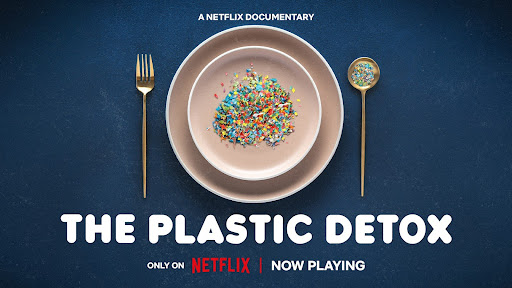
    Plastic Detox Poster
    Share
    Facebook Twitter LinkedIn Pinterest Email

    Wellness That Matters: Black Health News & Community Care

    Key takeaways
    • Rising fertility declines linked to plastic chemical exposure and endocrine disruption, warns Shanna Swan, PhD.
    • Plastic is in food, products, and textiles; microplastics accumulate in blood, brain, and fetuses, increasing chronic disease risks.
    • Black communities face heavier exposure: targeted products, proximity to oil extraction like Cancer Alley, and lifelong accumulating harms.
    • Chemicals in plastics also drive early puberty, obesity, and higher breast cancer risk, emphasized by Dr. Jasmine McDonald.
    • Intentional consumer changes helped couples; systemic fixes needed; support policy, the UN Global Plastics Treaty, and equitable access to safer alternatives.

    By Myeisha Essex

    There’s a new documentary streaming on Netflix that we are urging everyone to watch. The Plastic Detox premiered on March 16th, and it offers a look into why Black Women for Wellness has been preaching that plastic pollution, at its core, is a reproductive justice issue.

    The uncomfortable truth is, the plastic problem isn’t solely about plastic trash in our environment. Plastic and plastic chemicals are in our homes, our products and in our bodies! The Plastic Detox helps make that reality impossible to ignore by following six couples struggling with unexplained infertility who commit to a 12-week plastic detox. Each couple had been trying to conceive (some for more than a decade) without success.

    Though the film should have included at least one Black couple – especially given the ongoing Black maternal mortality crisis and rising infertility among Black women – what happens is eye-opening, and the documentary tells us a lot about the hidden health threats we live with every day.

    Here are 5 takeaways we took from the film and why they matter for our health, our communities, and our future:

    Takeaway 1: This Is a Fertility Crisis & Plastics are Part of the Problem

    One of the most urgent truths in the documentary is the growing fertility crisis. Shanna Swan, PhD, is an award-winning scientist who found that sperm counts and fertility rates are declining at a pace too rapid to be explained by genetics alone.

    Through her research, she connected this trend to environmental exposure, in particular chemicals used in plastics. Many of those chemicals are endocrine disruptors, which interfere with our hormone systems that regulate reproduction. When they are disrupted, the effects show up as difficulty conceiving, hormonal imbalances, and rising rates of infertility.

    Takeaway 2: Plastic Exposure Is Built Into Our Daily Lives

    Plastic is everywhere. It’s in our food packaging, clothes, hair products, fragrances, kitchen utensils, toys, furniture and even shoes.

    Over time, that exposure accumulates and microplastics make their way into our brains, our blood, and our unborn children. But, our bodies are no place for plastic! The health consequences are linked to rising rates of chronic illnesses like cancer, and for millions of couples, this chemical exposure is harming their fertility and stealing their right to start a family.

    Takeaway 3: Black Communities Are Carrying a Heavier Burden

    While The Plastic Detox highlights the science, it doesn’t fully center who is most impacted. Out of the six couples struggling with infertility in the documentary, not one is Black.

    For Black women, exposure often starts earlier and the stakes are higher. Products marketed to us —  including our hair, beauty and self-care products — have been found to contain higher levels of these harmful chemicals.

    Our neighborhoods are also more likely to be near oil wells and industrial facilities, as shown in the film with Louisiana’s “Cancer Alley.” These communities live in close proximity to the fossil fuel industry, where profits from plastic production come at the cost of human health. Our exposure to these environmental harms starts early and accumulates over a lifetime.

    At Black Women for Wellness, we witness every day how proximity to pollution translates directly into health disparities. For instance, the largest urban oil field in the US, the Inglewood OIl Field, is in our community of South Los Angeles, and oil extraction is the first stage of the lifecycle of plastic. Ongoing urban oil drilling happens right next to families, and it causes severe concerns such as respiratory and reproductive health harms. Overall, Black women face higher rates of fibroids, breast cancer, and chronic conditions tied to hormone disruption and over-exposure to environmental pollution is part of why.

    This is systemic exposure, and yet, our stories are too often missing from the conversation.

    Takeaway 4: The Health Impacts Go Far Beyond Fertility

    Fertility may be the entry point, but it is not the only concern. Dr. Jasmine McDonald makes this clear in the film, and her research is truly groundbreaking – albeit equally heartbreaking.

    The same chemicals found in plastics have been linked to a range of health issues, including early puberty, obesity, and increased risk of breast cancer. When young girls are exposed to hormone-disrupting chemicals earlier in life, they may begin menstruating earlier and that extends their lifetime exposure to estrogen and increases long-term health risks.

    Takeaway 5: Small Shifts Matter

    One of the most powerful parts of the film is what happens with the couples who had been struggling with infertility. Spoiler alert: after making intentional changes to reduce their exposure to plastics and other synthetic chemicals, their bodies began to respond. Within weeks, there were signs of change.

    After watching the film, this felt like a glimmer of hope. We may not be able to escape all the plastics in our environment, but if we are intentional about making safer choices, our bodies are responsive and reducing harm can make a real difference!

    These small shifts can include choosing products without added fragrances, replacing plastic with glass or metal in our kitchens, and choosing clothes that are made from natural materials like cotton. (Because textiles are the biggest cause of microplastics in the environment!) 

    That said, being more intentional about what we bring into our homes and onto our bodies can only take us so far, and not every community has access to affordable plastic alternatives. We need our governments to stop allowing endless plastic production, to ban harmful chemicals of concern, and to protect our health and well-being over profits. The film highlighted how hard it was for many of the couples to make health protective consumer choices; this is a violation of the reproductive justice tenets which require bodily autonomy for all. We don’t have bodily autonomy in a world ridden with harmful plastics and plastics chemicals, and fundamentally, the burden shouldn’t be solely on consumers. 

    At Black Women for Wellness, mitigating the lifecycle of plastic pollution is a core part of our Environmental Justice work because we understand what’s at stake and our health is not separate from our environment. We are working for systems change by advocating for the UN Global Plastics Treaty to limit plastic production, and we are working at the state level in CA to push for reduction as well.

    Our Environmental Justice – Built Environment team is committed to:

    • Educating our community about the health impacts of plastic
    • Advocating for policies that reduce exposure & limit plastic production
    • Working in coalition with groups like Environmental Justice Communities Against Plastic (EJCAP) and Break Free from Plastic (BFFP)
    • Uplifting the voices and lived experiences of Black women in environmental health conversations at a local, state and global level

    And until our environments are free from toxic exposure, our reproductive freedom will always be at risk. We deserve to thrive in bodies that are protected and in environments that are built with us in mind.

    For more information, check out BWW’s Lifecycle of Plastic Pollution brochure, the Lifecycle of Plastics in South LA report, and UCLA Luskin’s report on plastics and their link to fossil fuels and oil drilling, where BWW served in an advisory role. You can also follow us @BW4WLA.

    Read the full article on the original site


    Black Health News Black Healthcare Access Black Mental Health Black Wellness Chronic Illness in Black Communities Community Health Updates Fitness and Nutrition News Georgia Health News Health and Healing Health and Wellness for Black Men Health Disparities Health Equity Healthcare Policy Local Health Headlines Mental Health in Black Communities Mental Wellness Public Health in the South Savannah Health Resources Therapy for Black Women Wellness for Women of Color
    Share. Facebook Twitter Pinterest LinkedIn WhatsApp Reddit Tumblr Email
    Savannah Herald
    • Website

    Related Posts

    Health May 30, 2026

    Eurojackpot: Den ultimate spenningen i lotteriverdenen

    Health May 30, 2026

    The best new science-fiction books of June 2026 include novels from Adrian Tchaikovsky and M. John Harrison

    Health May 29, 2026

    Let’s Break It Down: What Does “Evidence-Based” Actually Mean?

    Health May 28, 2026

    Americans who get Ebola will go to Europe for treatment, not U.S., officials say

    Health May 28, 2026

    Slotpark: Das ultimative Abenteuer für Spielautomaten-Fans

    Health May 27, 2026

    Resident doctors in England to stage four-day strike in June | Doctors

    Comments are closed.

    Don't Miss
    Health May 14, 2026By Savannah Herald04 Mins Read

    Iran war has some US water utilities facing a fluoride shortage

    May 14, 2026

    Health Watch: Wellness, Research & Healthy Living Tips It’s not just gas prices: Some U.S.…

    New Types of Sauropod Dinosaur Identified in Gallery Cabinet

    October 30, 2025

    Is Frederick Douglass’s Concern Any type of Much less Pertinent Today?

    May 9, 2026

    Judge Rules Black Man Was Unlawfully Arrested In DC

    August 28, 2025

    Long County Health Department Issues Rabies Alert

    May 7, 2026
    Archives
    • May 2026
    • April 2026
    • March 2026
    • February 2026
    • January 2026
    • December 2025
    • November 2025
    • October 2025
    • September 2025
    • August 2025
    • July 2025
    • June 2025
    • May 2025
    • April 2025
    • March 2025
    • February 2025
    Categories
    • Art & Literature
    • Beauty
    • Black History
    • Business
    • Climate
    • Culture
    • Education
    • Employment
    • Entertainment
    • Faith
    • Fashion
    • Food
    • Gaming
    • Georgia Politics
    • HBCUs
    • Health
    • Health Inspections
    • Investing
    • Lifestyle
    • Local
    • Lowcountry News
    • National
    • National Opinion
    • News
    • Politics
    • Real Estate
    • Senior Living
    • Sports
    • State
    • Tech
    • Transportation
    • Travel
    • World
    Savannah Herald Newsletter

    Subscribe to Updates

    A round up interesting pic’s, post and articles in the C-Port and around the world.

    About Us
    About Us

    The Savannah Herald is your trusted source for the pulse of Coastal Georgia and the Low County of South Carolina. We're committed to delivering timely news that resonates with the African American community.

    From local politics to business developments, we're here to keep you informed and engaged. Our mission is to amplify the voices and stories that matter, shining a light on our collective experiences and achievements.
    We cover:
    🏛️ Politics
    💼 Business
    🎭 Entertainment
    🏀 Sports
    🩺 Health
    💻 Technology
    Savannah Herald: Savannah's Black Voice 💪🏾

    Our Picks

    Drawing out Blackness, from the Center Ages to Today

    January 20, 2026

    Festive Dining at FOWL, Piccadilly

    March 28, 2026

    Sweet Potato Brownies – Make It Dairy Free

    March 22, 2026

    Just how farmers can aid rescue water-loving birds

    August 28, 2025

    Make a Mid-Career Industry Change with Confidence

    May 22, 2026
    Categories
    • Art & Literature
    • Beauty
    • Black History
    • Business
    • Climate
    • Culture
    • Education
    • Employment
    • Entertainment
    • Faith
    • Fashion
    • Food
    • Gaming
    • Georgia Politics
    • HBCUs
    • Health
    • Health Inspections
    • Investing
    • Lifestyle
    • Local
    • Lowcountry News
    • National
    • National Opinion
    • News
    • Politics
    • Real Estate
    • Senior Living
    • Sports
    • State
    • Tech
    • Transportation
    • Travel
    • World
    Copyright © 2002-2026 Savannahherald.com All Rights Reserved. A Veteran-Owned Business

    Type above and press Enter to search. Press Esc to cancel.

    Manage Consent
    To provide the best experiences, we use technologies like cookies to store and/or access device information. Consenting to these technologies will allow us to process data such as browsing behavior or unique IDs on this site. Not consenting or withdrawing consent, may adversely affect certain features and functions.
    Functional Always active
    The technical storage or access is strictly necessary for the legitimate purpose of enabling the use of a specific service explicitly requested by the subscriber or user, or for the sole purpose of carrying out the transmission of a communication over an electronic communications network.
    Preferences
    The technical storage or access is necessary for the legitimate purpose of storing preferences that are not requested by the subscriber or user.
    Statistics
    The technical storage or access that is used exclusively for statistical purposes. The technical storage or access that is used exclusively for anonymous statistical purposes. Without a subpoena, voluntary compliance on the part of your Internet Service Provider, or additional records from a third party, information stored or retrieved for this purpose alone cannot usually be used to identify you.
    Marketing
    The technical storage or access is required to create user profiles to send advertising, or to track the user on a website or across several websites for similar marketing purposes.
    • Manage options
    • Manage services
    • Manage {vendor_count} vendors
    • Read more about these purposes
    View preferences
    • {title}
    • {title}
    • {title}
    Ad Blocker Enabled!
    Ad Blocker Enabled!
    Our website is made possible by displaying online advertisements to our visitors. Please support us by disabling your Ad Blocker.

    Sign In or Register

    Welcome Back!

    Login below or Register Now.

    Lost password?

    Register Now!

    Already registered? Login.

    A password will be e-mailed to you.