


Close Menu
Savannah HeraldSavannah Herald
  • Home
  • News
    • Local
    • State
    • National
    • World
    • HBCUs
  • Events
  • Weather
  • Traffic
  • Sports
  • Politics
  • Lifestyle
    • Faith
    • Beauty
    • Fashion
    • Food
    • Art & Literature
    • Travel
    • Senior Living
  • Health
  • Business
    • Investing
    • Education
    • Entertainment
    • Real Estate
  • Guides
    • Black History Savannah
    • MLK Guide Savannah
We're Social
  • Twitter
  • Facebook
  • YouTube

Subscribe to Updates

Get the latest creative news from FooBar about art, design and business.

Trending
  • Behind the Diagnosis: Seen, Heard, and Still Fighting: The Black Patient Experience with MS
  • Volkswagen CEO Is Standing Up for Physical Buttons in Cars
  • Eddy Murphy’s Best Movies, By the Box Office
  • Social Circle Detention Center put on ICE…for now
  • Couple share shocking moment Zendaya paid for their wedding dress, which Law Roach helped style
  • Hubble Space Telescope Focuses on IC 486
  • What Hilary Duff Taught Me About My Own Estranged Sister
  • Boards Are Falling Short on Cybersecurity
Facebook X (Twitter) Instagram YouTube
Login
Savannah HeraldSavannah Herald
  • Home
  • News
    • Local
    • State
    • National
    • World
    • HBCUs
  • Events
  • Weather
  • Traffic
  • Sports
  • Politics
  • Lifestyle
    • Faith
    • Beauty
    • Fashion
    • Food
    • Art & Literature
    • Travel
    • Senior Living
  • Health
  • Business
    • Investing
    • Education
    • Entertainment
    • Real Estate
  • Guides
    • Black History Savannah
    • MLK Guide Savannah
Savannah HeraldSavannah Herald
Home » Behind the Diagnosis: Seen, Heard, and Still Fighting: The Black Patient Experience with MS
Health

Behind the Diagnosis: Seen, Heard, and Still Fighting: The Black Patient Experience with MS

Savannah HeraldBy Savannah HeraldApril 3, 20267 Mins Read
Facebook Twitter Pinterest LinkedIn WhatsApp Reddit Tumblr Email
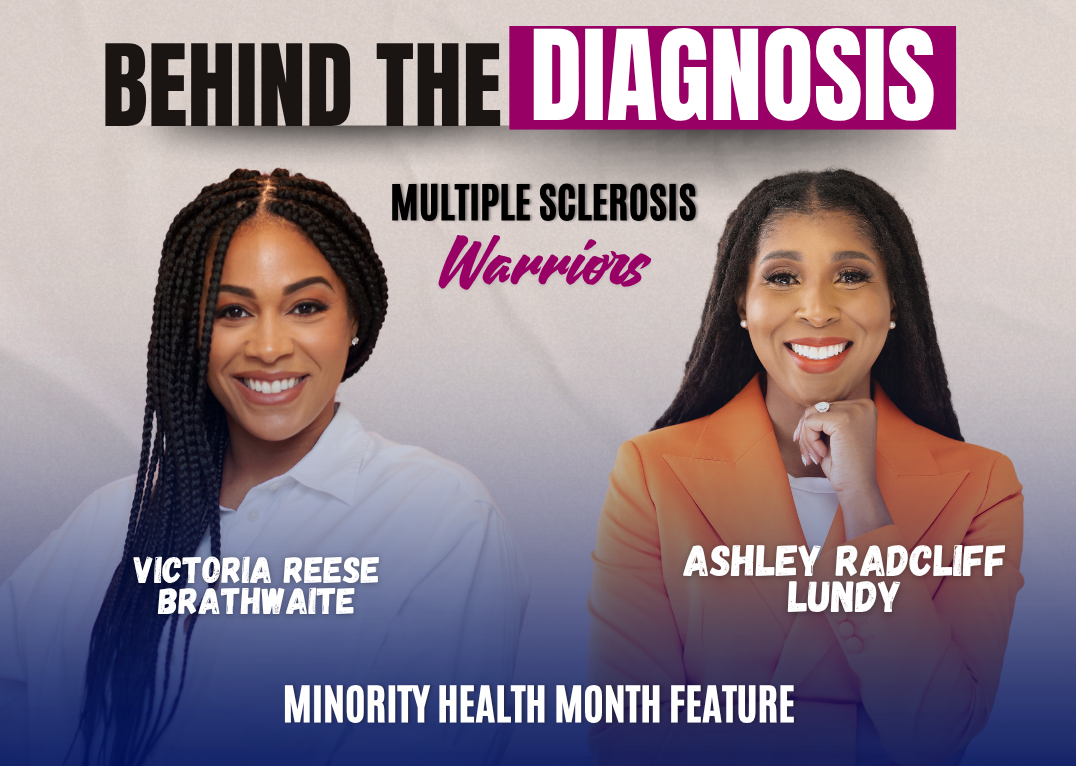
Behind the Diagnosis: Seen, Heard, and Still Fighting: The Black Patient Experience with MS
Share
Facebook Twitter LinkedIn Pinterest Email

Wellness That Matters: Black Health News & Community Care

Key takeaways
  • Dismissal and misdiagnosis delay care, eroding trust and worsening outcomes for patients with MS.
  • Financial instability, insurance gaps, and transportation barriers interrupt treatment access and continuity for many Black women.
  • Providers must listen, validate symptoms, practice ongoing cultural competence, and engage in shared decision-making to rebuild trust.
  • Find community, learn about treatment, ask questions, and seek second opinions; support networks like We Are ILL matter.

Minority Health Month Feature

When Victoria Reese Brathwaite was diagnosed with Multiple Sclerosis in 2012, she found herself alone. She was highly educated, insured, and doing everything “right,” yet her symptoms were dismissed and her questions went unanswered. When she searched for information, she couldn’t find anyone who looked like her. That absence wasn’t just frustrating, it was revealing. Because for many Black women, the healthcare journey doesn’t begin with treatment. It begins with trying to be believed.

Before her diagnosis, Victoria remembers the feeling more than anything else. Her body just didn’t feel like her body anymore. There were moments she couldn’t quite explain. Numbness that came and went. Fatigue that didn’t match her lifestyle. Subtle neurological changes that didn’t make sense for someone her age. At first, like so many of us, she tried to push through. Maybe it was stress. Maybe she was overworked. Maybe it would pass. But it didn’t.

Eventually, the symptoms became too persistent to ignore. After navigating multiple appointments, tests, and referrals, she finally got an answer. Multiple sclerosis.

And just as she was trying to process what that meant, she heard something that would stay with her. “Black people don’t get MS.”

In that moment, her personal diagnosis collided with a much larger truth. The issue wasn’t just what was happening in her body. It was what the system didn’t understand about Black women’s bodies. That realization became the foundation for something bigger. What began as sharing her story online grew into a movement. From #WeAreILLmatic to the nonprofit We Are ILL, Victoria founded what she couldn’t find: community, representation, and a space where Black women navigating chronic illness could feel seen.

Ashley’s Story: The Long Road to Being Heard

Ashley Ratcliff Lundy’s journey began with a moment she couldn’t ignore. After a long day on her feet, she noticed numbness. At first, it seemed manageable. But then it changed. The numbness turned into tingling. Her ability to walk started to decline. Her foot wouldn’t cooperate, dragging with each step. “You could hear me coming,” she recalls.

She sought care, expecting answers. Instead, she was sent from one provider to another. A podiatrist suggested a pinched nerve. A chiropractor diagnosed a herniated disc. She was referred to physical therapy. Still, nothing improved.

As her symptoms progressed, she began asking for more comprehensive testing. She wanted answers that matched what she was feeling in her body. But instead of being met with curiosity, she was met with resistance. She was told her insurance wouldn’t approve additional scans, though the request was never submitted. Her symptoms were attributed to stress.

At one point, discouraged by how she was treated, she canceled an appointment with a specialist. But something in her refused to settle. She rescheduled. And when she finally sat in front of a neurosurgeon, everything shifted. Within moments, he recognized that what she was experiencing didn’t align with the previous diagnosis. An MRI revealed lesions. A spinal tap confirmed MS.

When Care Misses the Mark

Ashley describes the emotional weight of not being believed. Of having to explain, re-explain, and defend what she knew was happening in her body.

Being dismissed doesn’t just delay diagnosis. It shifts how patients engage with the entire system. When trust is broken, patients may hesitate to seek care, delay treatment, or disengage altogether. And for conditions like MS, where early diagnosis and intervention matter, those delays can change outcomes.

Ashley shared a time when she lost access to her medication after losing her job. Without guidance or support from her care team, she went months without treatment. Not because she didn’t care, but because she didn’t have the resources or support to continue. That experience highlights a reality many Black women face. Healthcare is not just about diagnosis and treatment. It is shaped by everything happening outside the exam room.

Care doesn’t exist in isolation. It is shaped by financial stability, access to insurance, reliable transportation, and whether providers are aware enough to ask the right questions about a patient’s real-life circumstances. When these factors are overlooked, care becomes incomplete.

But Ashley’s story also shows what’s possible when care is done differently. When a provider takes the time to listen, to explain, and to acknowledge fear instead of dismissing it, the entire experience shifts. That kind of care doesn’t just inform, it restores trust. And trust, in healthcare, is not a soft skill. It is essential.

The Pattern We Can’t Ignore and What Needs to Change

Victoria’s story and Ashley’s story reflect different experiences, but ultimately point to a shared reality.

What they encountered reflects a broader pattern in how Black patients experience healthcare. Through We Are ILL, Victoria and Ashley not only empower patients to advocate for themselves, but also engage directly with providers through sessions like Understanding the Black Patient Experience. These conversations highlight that gaps in care are shaped not just by access, but by trust, communication, and cultural understanding.

These patterns aren’t always obvious. They often show up in subtle ways, like when a concern is brushed aside, a question isn’t fully answered, or symptoms are attributed to stress without deeper investigation. Over time, these experiences build on each other and can lead to a loss of trust in the healthcare system. That mistrust can ultimately affect how and when patients seek care, and it can have serious consequences for their health.

Improving outcomes for Black women requires more than awareness. It requires a shift in how care is delivered at every level.

Providers must be willing to listen fully, without interruption or assumption. They must validate patient concerns and engage in shared decision-making, recognizing that patients are experts in their own bodies. Cultural competence is not a one-time training. It is an ongoing commitment to understanding, learning, and adjusting. It also means acknowledging the role of bias and systemic inequities in shaping patient experiences.

At the same time, both Victoria and Ashley speak to the importance of self-advocacy. Asking questions. Seeking second opinions. Continuing to push for answers. But the responsibility for better care cannot rest solely on the patient.

A Message for the Newly Diagnosed

For anyone receiving a diagnosis like MS, both women offer the same grounding reminder: take a breath.

A diagnosis can feel overwhelming. It can shift how you see your body, your future, and your daily life. But it does not take away your purpose or your potential.

Their guidance is simple and powerful:

  • Build a care team that listens and supports you
  • Educate yourself so you can make informed decisions
  • Find community so you don’t have to navigate this alone

And most importantly, remember that you are still you.

Why This Story Matters Now

Minority Health Month is about more than raising awareness. It is about naming the reality that Black women are still navigating a healthcare system where being heard is not guaranteed. Where outcomes are shaped not only by disease, but by how we are treated when we seek care. And yet, stories like Victoria’s and Ashley’s remind us of something equally important.

We are not just navigating the system. We are changing it.

Listen and Learn More

Explore more conversations from We Are ILL and hear directly from women navigating chronic illness with honesty, strength, and community.

Patient In You podcast episodes.

Read the full article on the original site


Black Health News Black Healthcare Access Black Mental Health Black Wellness Chronic Illness in Black Communities Community Health Updates Fitness and Nutrition News Georgia Health News Health and Healing Health and Wellness for Black Men Health Disparities Health Equity Healthcare Policy Local Health Headlines Mental Health in Black Communities Mental Wellness Public Health in the South Savannah Health Resources Therapy for Black Women Wellness for Women of Color
Share. Facebook Twitter Pinterest LinkedIn WhatsApp Reddit Tumblr Email
Savannah Herald
  • Website

Related Posts

Health April 3, 2026

What Hilary Duff Taught Me About My Own Estranged Sister

Health April 2, 2026

5 Takeaways from “The Plastic Detox” on Netflix That We Can’t Ignore

Health April 2, 2026

Addressing Sleep Issues Early Could Have A Huge Health Benefit

Health April 1, 2026

Bill creating standards for community health workers in Georgia has stalled

Health March 31, 2026

Evacuated from Gaza as newborns, a group of Palestinian toddlers returns to an uncertain future

Health March 30, 2026

The AI-Assisted Early Breast Cancer Screening Test We Need to Know About

Comments are closed.

Don't Miss
Politics September 3, 2025By Savannah Herald02 Mins Read

The Intercept Discloses Top-Secret NSA Document on Russia Hacking Aimed at US Voting System – Mother Jones

September 3, 2025

Politics Today: News, Analysis & Debate Across the Spectrum On Monday, the Intercept published a…

City of Savannah Enters Operating Condition 4, Monitoring Phase

November 3, 2025

Lenovo IdeaPad Slim 3i 15 Review: A Budget-Buy Laptop With Some Bumps

August 28, 2025

Situation of brain-dead expecting Black female went on life assistance in Georgia questions NABJ Black Information & Sights

February 28, 2026

Protecting Seniors from Medication Mishaps

February 21, 2026
Archives
  • April 2026
  • March 2026
  • February 2026
  • January 2026
  • December 2025
  • November 2025
  • October 2025
  • September 2025
  • August 2025
  • July 2025
  • June 2025
  • May 2025
  • April 2025
  • March 2025
  • February 2025
  • January 2025
  • December 2024
Categories
  • Art & Literature
  • Beauty
  • Black History
  • Business
  • Climate
  • Education
  • Employment
  • Entertainment
  • Faith
  • Fashion
  • Food
  • Gaming
  • HBCUs
  • Health
  • Health Inspections
  • Home & Garden
  • Investing
  • Local
  • Lowcountry News
  • National
  • News
  • Obituaries
  • Politics
  • Real Estate
  • Science
  • Senior Living
  • Sports
  • SSU Homecoming 2024
  • State
  • Tech
  • Transportation
  • Travel
  • World
Savannah Herald Newsletter

Subscribe to Updates

A round up interesting pic’s, post and articles in the C-Port and around the world.

About Us
About Us

The Savannah Herald is your trusted source for the pulse of Coastal Georgia and the Low County of South Carolina. We're committed to delivering timely news that resonates with the African American community.

From local politics to business developments, we're here to keep you informed and engaged. Our mission is to amplify the voices and stories that matter, shining a light on our collective experiences and achievements.
We cover:
🏛️ Politics
💼 Business
🎭 Entertainment
🏀 Sports
🩺 Health
💻 Technology
Savannah Herald: Savannah's Black Voice 💪🏾

Our Picks

Puff Pastry from Scratch (with Video)

November 1, 2025

Why Trump desires to deliver Columbus Day “again from the ashes” : NPR

August 29, 2025

Obituary information for Lula Mae Wilcox

December 24, 2025

Rep. Carl Gilliard, Savannah Music Commission to Host Inaugural “Savannah Sound Check” Event

October 27, 2025

How Does Ozempic Work for Weight Loss? The Science Behind the Medication, Side Effects, and Who Qualifies

January 3, 2026
Categories
  • Art & Literature
  • Beauty
  • Black History
  • Business
  • Climate
  • Education
  • Employment
  • Entertainment
  • Faith
  • Fashion
  • Food
  • Gaming
  • HBCUs
  • Health
  • Health Inspections
  • Home & Garden
  • Investing
  • Local
  • Lowcountry News
  • National
  • News
  • Obituaries
  • Politics
  • Real Estate
  • Science
  • Senior Living
  • Sports
  • SSU Homecoming 2024
  • State
  • Tech
  • Transportation
  • Travel
  • World
  • Privacy Policies
  • Disclaimers
  • Terms and Conditions
  • About Us
  • Contact Us
  • Opt-Out Preferences
  • Accessibility Statement
Copyright © 2002-2026 Savannahherald.com All Rights Reserved. A Veteran-Owned Business

Type above and press Enter to search. Press Esc to cancel.

Manage Consent
To provide the best experiences, we use technologies like cookies to store and/or access device information. Consenting to these technologies will allow us to process data such as browsing behavior or unique IDs on this site. Not consenting or withdrawing consent, may adversely affect certain features and functions.
Functional Always active
The technical storage or access is strictly necessary for the legitimate purpose of enabling the use of a specific service explicitly requested by the subscriber or user, or for the sole purpose of carrying out the transmission of a communication over an electronic communications network.
Preferences
The technical storage or access is necessary for the legitimate purpose of storing preferences that are not requested by the subscriber or user.
Statistics
The technical storage or access that is used exclusively for statistical purposes. The technical storage or access that is used exclusively for anonymous statistical purposes. Without a subpoena, voluntary compliance on the part of your Internet Service Provider, or additional records from a third party, information stored or retrieved for this purpose alone cannot usually be used to identify you.
Marketing
The technical storage or access is required to create user profiles to send advertising, or to track the user on a website or across several websites for similar marketing purposes.
  • Manage options
  • Manage services
  • Manage {vendor_count} vendors
  • Read more about these purposes
View preferences
  • {title}
  • {title}
  • {title}
Ad Blocker Enabled!
Ad Blocker Enabled!
Our website is made possible by displaying online advertisements to our visitors. Please support us by disabling your Ad Blocker.

Sign In or Register

Welcome Back!

Login below or Register Now.

Lost password?

Register Now!

Already registered? Login.

A password will be e-mailed to you.