




Health Watch: Wellness, Research & Healthy Living Tips
At the height of the tuberculosis epidemic in the 19th century, doctors began advising people to venture outside to escape the “bad air” in their homes. In the 1960s, by contrast, AC became widespread in the U.S., increasing the appeal of staying inside. These days, many of us—the so-called “indoor generation”—spend summer mostly inside, relying on AC to beat the heat.
This technology saves lives; our sealed, climate-controlled spaces keep us healthy during dangerous heat waves. AC also helps many people avoid pollution outside. But did the 19th century physicians have a point about the downsides of stale indoor air?
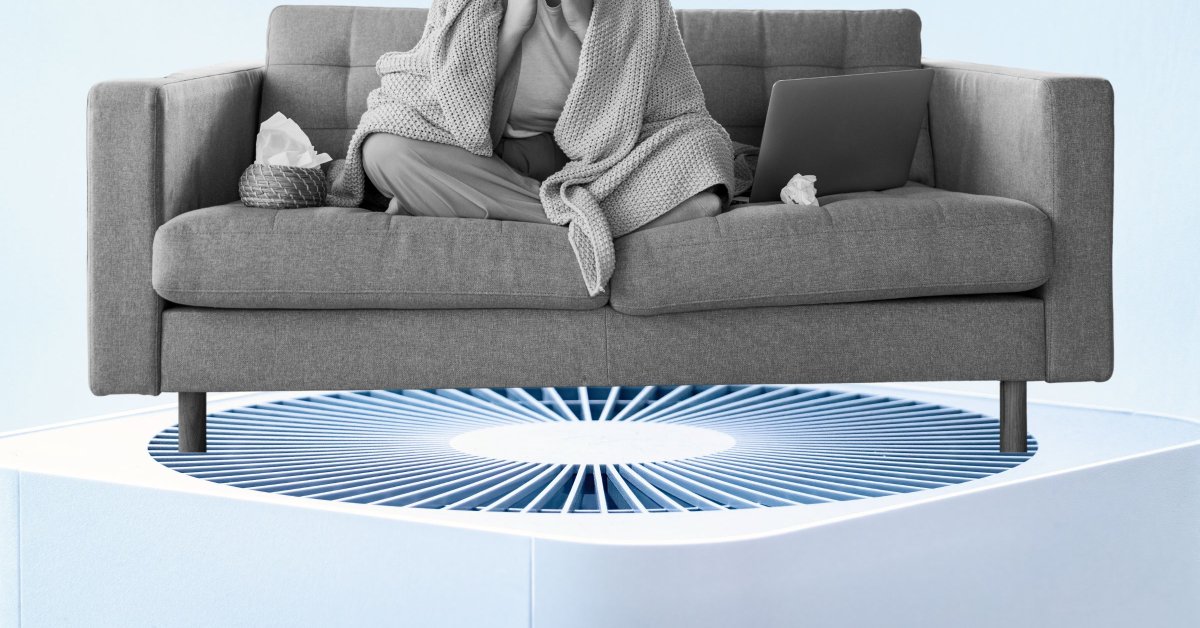
It depends. “Multiple studies show that spending too much time in air-conditioned rooms can lead to more respiratory symptoms,” says Dr. William Checkley, a pulmonary and critical care physician and professor of medicine at Johns Hopkins School of Medicine. Here are the benefits, risks, and simple ways to make AC healthier this summer.
The many benefits of AC
AC is key to getting through summertime without a heat-related illness—or worse. “The statistics on deaths from extreme heat are shocking, especially for the elderly and immunocompromised,” says Jeffrey Siegel, professor of civil engineering at the University of Toronto. From 1999 to 2023, heat-related deaths in the U.S. doubled.
AC’s benefits go beyond its cooling effect. A well-working AC system filters the air to reduce intake of dust, pollen, and airborne pathogens, Checkley says.
Read More: 7 Things You Need to Do Before Air Conditioner Season
AC is also critical in areas with pollution. Its filters can cleanse the air of particulate matter 2.5, a toxin shed in vehicle exhaust, industrial activity, and wildfires. Research shows that PM2.5 enters homes and contributes to heart and lung disease—but these effects aren’t as severe in places with more AC use. “Every time the AC system operates, it’s pulling some particles out of the air,” says Brent Stephens, professor of civil, architectural, and environmental engineering at Illinois Institute of Technology.
Cranking up the AC also makes the air less humid, reducing the dampness that contributes to bacterial growth, mold, and dust mites, which can contribute to—or, in rare cases, even cause—conditions like pneumonia, asthma, and COPD.
Too much of a good thing
Now, some big caveats. If you overdo it with AC, the air becomes too dry. If you’re inhaling a lot of dry air, the human body adds water vapor to the inhaled air to maintain your internal humidity level, Checkley says. When you exhale, that moist air leaves your body with every breath.
Ultimately, this dries out your respiratory tract, Checkley explains. The airways become irritated and inflamed, causing coughs, sore throat, and nasal congestion—a condition known as “sick building syndrome.”
Another consequence of air that’s too dry: the lungs’ natural defenses to microbes weaken, increasing susceptibility to disease, especially among kids and the immunocompromised. Viruses may be more likely to circulate in drier conditions. Think of how often people get sick right after long trips inside a dry airplane. It’s the same effect in people’s homes or offices.
Read More: The Best and Worst Way to Remove a Tick
This may seem like a no-win situation: dampness leads to mold and dustmites, and dryness leads to cold-like symptoms and disease. However, there’s a sweet spot. “The ideal humidity in a home is between 40% and 60%,” Checkley says.
Bacteria and viruses thrive both below and above these thresholds. “There are indoor air conditions we can’t perceive, which can be good or bad for us—it’s not all about comfort,” says Dr. Stephanie Taylor, a clinician and consultant on healthy indoor environments.
So how do you keep your home in the optimal humidity zone? Checkley advises buying a thermostat with a humidity sensor, called a hygrometer, to track the level. Many are inexpensive yet accurate. If humidity drops below 40%, give the AC a rest. If humidity tops 60%, crank it back up.
Maintain your unit
The AC may also pose health risks if it’s working sub-optimally, even if it’s not outright broken. “What really matters is the condition of your air conditioning,” Siegel says.
Much of this comes down to homeowner fundamentals like remembering to change your AC filter. With an old dirty filter, the AC coil and ducts could become “cesspools of mold, bacteria, and allergens,” Taylor explains—which tag along with the AC’s airflow. Slide in new filters every 1-2 months during peak AC use. The cost of additional filters is worth keeping up your home’s air quality, Checkley says.
Look for filters with minimum efficiency reporting value (MERV) ratings of 11 or 13. They’re effective at trapping dust, mold, and other particles.
In addition, calendar a yearly visit from an HVAC specialist. “People think of AC as this magic black box that makes cold,” Siegel says. “We only think about servicing it when it’s not making cold anymore.” Even if the cold magic still works, a specialist should occasionally inspect the coil and ducts to ensure they’re clean. In addition to regular assessments, get one after any major leak or other moisture problem, which can result in a dirty coil, Siegel adds.
Read More: The Healthiest Way to Clean Your House
You can also install a UV light in your AC system. This device emits radiation that damages the cells of microorganisms like bacteria and mold—keeping the coil and interior components clean. Quality varies; make sure to work with a reputable manufacturer and contractor, and choose a light with a safety certification from UL or ETL, two independent organizations that test and certify products like lights for safety. Lights without these certifications may generate harmful byproducts, Taylor notes.
Proper AC maintenance will also amplify AC’s benefits, like thinning out PM2.5 from the air. “With a decent filter, you reduce exposure to a ton of things we know have very serious health effects,” Siegel says.
For a window AC, don’t move it straight from the closet to the window when summer starts. “Open it up and clean it first,” Taylor says.
Use air purifiers
Although your AC can—if it’s working on all cylinders—clean PM2.5 pollution from outdoor sources, it does not clean another type of toxin that originates inside the home: volatile organic compounds, or VOCs. If the AC is on constantly, and you rarely open windows, your air may be rife with these chemicals.
Potentially harmful VOCs are emitted by many home products such as furniture, cleaning supplies, and air fresheners. They’ve been linked to headaches, throat irritation, hormone disruption and, with long-term exposure, chronic diseases.
VOCs play a role in what experts increasingly view as a building’s microbiome, Taylor says. Indoor spaces, just like the human body, harbor communities of bacteria, fungi, and other microbes. With optimal humidity and AC maintenance, your indoor microbiome supports healthier, more diverse microbes. But VOCs can suppress or kill these microbes and promote the growth of pathogenic strains and imbalanced communities.
Read More: Should You Take a Fiber Supplement?
Counter toxic VOCs by occasionally turning off the AC and opening windows. Indoor air has 2 to 5 times more VOCs than outdoor air, Stephens says.
Another strategy: buy a portable HEPA air purifier. The best versions have carbon filters with porous surfaces that trap the gas molecules of VOCs, taking them out of the air. Purifiers also help remove about 50% of PM2.5. Stephens has one purifier on each level of his townhome. He keeps the purifiers’ fan speeds on low or medium constantly to filter the air without having to think about it—but changes the speed to high when there’s pollution, such as during rush hour when PM2.5 comes from outside, or when he’s cleaning with chemicals that produce VOCs inside.
VOC levels may be higher if your home is tightly sealed, trapping the chemicals inside. “Every home is an absolute unicorn,” Stephens says. A professional air sampling measures VOCs. A number of VOC monitors are also available for people to buy, but Stephens says these consumer-grade devices can’t detect levels of specific VOCs, so they won’t tell you the potential toxicity or health risk.
However, he adds that low-cost monitors for particles like PM2.5 have become much more accurate in recent years. An even less expensive, relatively simple humidity monitor combined with good AC maintenance will help ensure that you stay both cool and healthy this summer.
Read the full article on the original source
