




Aging Well: News & Insights for Seniors and Caregivers
- Expect common age-related changes: wrinkles, dry, itchy skin, thinning skin, and age spots.
- Watch for unexplained bruising, slow healing wounds, pressure sores, or changing moles; seek medical evaluation.
- Provide daily care: moisturize, encourage hydration, support nutrition, treat wounds promptly, and reposition to prevent pressure sores.
- Protect skin with clothing and routines: loose breathable fabrics, long sleeves, wide-brim hats, regular skin checks, and repositioning.
As we age, changes to the skin are inevitable. Some are harmless signs of aging, while others may signal an underlying health concern. For families caring for aging loved ones, it can be difficult to know which skin changes are normal—and which ones require medical attention.
Understanding common skin changes in seniors can help family caregivers respond with confidence, support comfort, and prevent minor issues from becoming serious problems.
Why Skin Changes Occur With Age
Aging skin is affected by both internal and external factors. Over time, the skin naturally becomes thinner, less elastic, and more fragile. Oil production decreases, blood vessels weaken, and the skin’s ability to heal slows down.
Lifestyle and environmental factors can accelerate these elderly skin changes, including:
- Long-term sun exposure
- Smoking or past tobacco use
- Dehydration
- Poor nutrition
- Limited mobility
While these changes are common, regular observation is essential, especially for seniors aging in place.
Normal Skin Changes with Aging
Many skin changes are expected with aging and don’t require medical treatment, though they may need supportive care. Here are some common changes you’ll see in aging skin in older adults:
- Wrinkles & Fine Lines: Wrinkles are one of the most visible signs of aging. They develop as collagen and elastin decrease, causing skin to lose firmness. Sun exposure and smoking often make wrinkles more pronounced.
- Dry, Itchy Skin: Dry skin is extremely common in older adults due to reduced oil production. It can cause itching, flaking, and discomfort, especially in colder months or dry climates. Consistent moisturizing and hydration often help manage this issue.
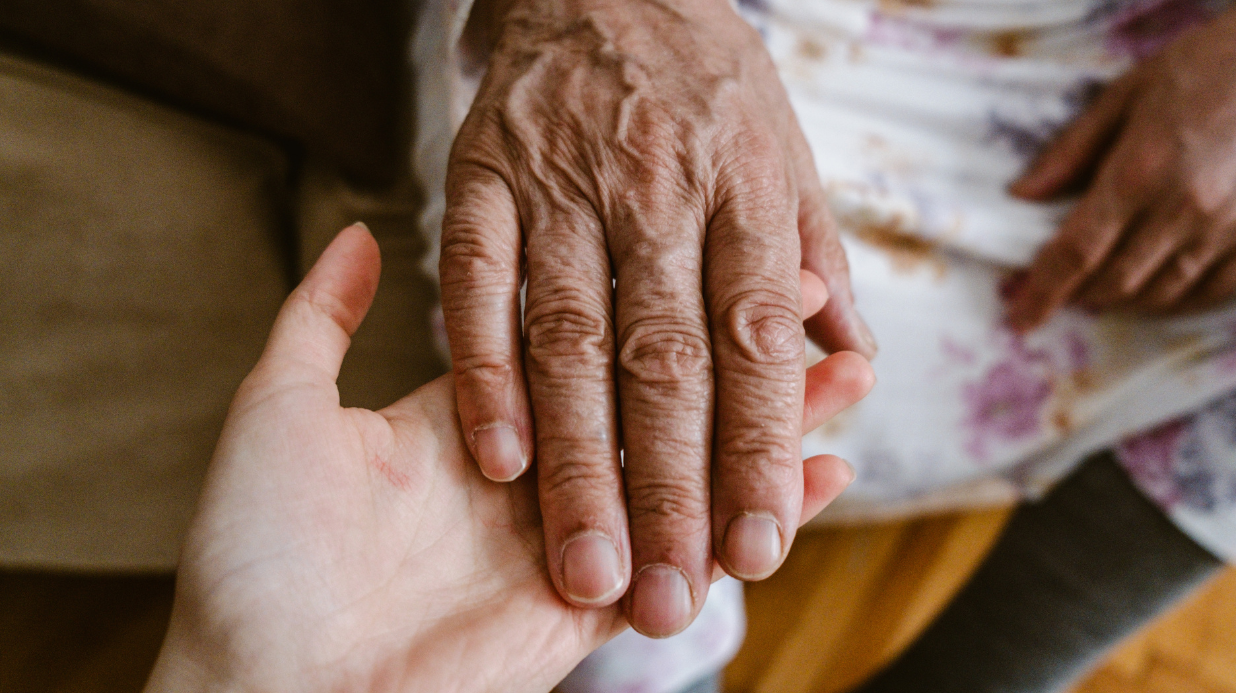
- Thinning or Fragile Skin: As the epidermis thins, skin may appear more transparent and tear more easily. This makes seniors more vulnerable to cuts and bruises, even from minor bumps.
- Age Spots: Also known as liver spots, these flat brown or gray patches typically appear on sun-exposed areas such as the hands, arms, and face. They are usually harmless but should be monitored for changes.
Skin Changes That Deserve Closer Attention
Some skin problems in the elderly should prompt closer observation or a call to a healthcare provider.
- Unexplained Bruising: Bruising becomes more common with age due to thinner skin and weakened blood vessels. However, frequent or severe bruising, especially without known injury, may signal medication side effects or other health issues.
- Slow-Healing Wounds: Cuts or scrapes that don’t heal properly can increase the risk of infection. Seniors with diabetes or circulation issues are particularly vulnerable.
- Pressure Sores (Bedsores): Pressure ulcers develop when prolonged pressure limits blood flow to the skin. Skin ulcers are more common in seniors with limited mobility and often appear on heels, hips, or the lower back. Early prevention through repositioning and skin checks is critical.
- Changes in Moles or Skin Growths: Any mole or growth that changes in size, color, shape, or texture should be evaluated by a healthcare professional. Skin cancer risk increases with age and cumulative sun exposure.
When to Talk to a Doctor
While many skin changes are normal, it’s always appropriate to consult a physician if something doesn’t seem right. Regular checkups can help ensure skin concerns are addressed early and appropriately.
How Family Caregivers Can Support Healthy Skin
Daily care and observation play a major role in protecting senior skin health, especially for those who need assistance with personal care.
- Treat Skin Injuries Promptly: It’s now recommended to keep wounds clean and covered until fully healed to prevent infection. Seek medical attention if a wound becomes red, swollen, painful, or begins to drain.
- Encourage Hydration: Dehydration contributes to dry, fragile skin. Encourage regular water intake throughout the day, limit caffeine, and consider using a humidifier at home.
- Moisturize Consistently: Apply lotion immediately after bathing while the skin is still slightly damp. Pat the skin dry rather than rubbing to avoid irritation.
- Support Proper Nutrition: A balanced diet rich in vitamins, protein, and healthy fats supports skin repair and resilience. Poor nutrition can slow healing and increase infection risk.
RELATED CONTENT: 6 Effective Ways to Prevent Dehydration in Seniors
Small Acts That Make a Big Difference
Dry, thinning skin is one of the most common and often uncomfortable changes that come with aging. But addressing it isn’t just about applying lotion. It’s about compassion, consistency, and dignity.
Rick Perry, franchise owner of Caring Senior Service in Kerrville, TX, shared a story about a caregiver who created a simple but meaningful daily ritual with her client.
“She would apply lotion to her hands and help with her hair and nails,” Rick explained. “It may seem small, but to her, it was everything. She looked forward to it every day.”
These moments do more than soothe the skin. They restore confidence, offer comfort, and strengthen the bond between caregiver and client, reminding seniors they are seen, valued, and cared for.
Clothing Choices Matter More Than You Think
What seniors wear can significantly impact skin comfort and protection.
- Choose loose-fitting, breathable clothing
- Opt for lightweight cotton fabrics
- Use long sleeves and pants for sun protection
- Encourage wide-brimmed hats when outdoors
These small adjustments help regulate body temperature, reduce irritation, and protect aging skin from ultraviolet (UV) light exposure.
How Non-Medical Home Care Supports Skin Health
Many skin issues develop slowly and can go unnoticed without daily observation. This is where non-medical caregivers play an important role.
Professional caregivers can:
- Assist with bathing and hygiene
- Help apply lotion and monitor dry areas
- Reposition clients to reduce pressure
- Notice early signs of skin breakdown
- Communicate changes to family members
This consistent attention can prevent minor skin concerns from escalating into serious health issues.
Supporting Aging Skin With Compassion
Skin changes are a natural part of aging, but they can impact comfort, confidence, and overall well-being. With attentive care, consistent routines, and the right support, families can help their aging loved ones stay comfortable and healthy at home.
At Caring Senior Service, our professional caregivers provide compassionate, non-medical support that helps seniors manage daily routines. This includes personal care that supports skin health and dignity. Contact your local Caring team today to learn how we can help.
Read the full article on the original source
