




Food & Beverage News: Insights, Safety, and Dining Trends
- Move heavy cooking outdoors with a grill or portable burner to keep heat out of the house.
- Use slow cookers, pressure cookers, air fryers, and multi-cookers to reduce oven and stovetop runtime.
- Prep components ahead and stagger cooking so appliances run in shifts, keeping kitchen temperature steady and stress lower.
- Improve ventilation and targeted cooling; run the range hood, crack a window, or install a mini-split near the kitchen.
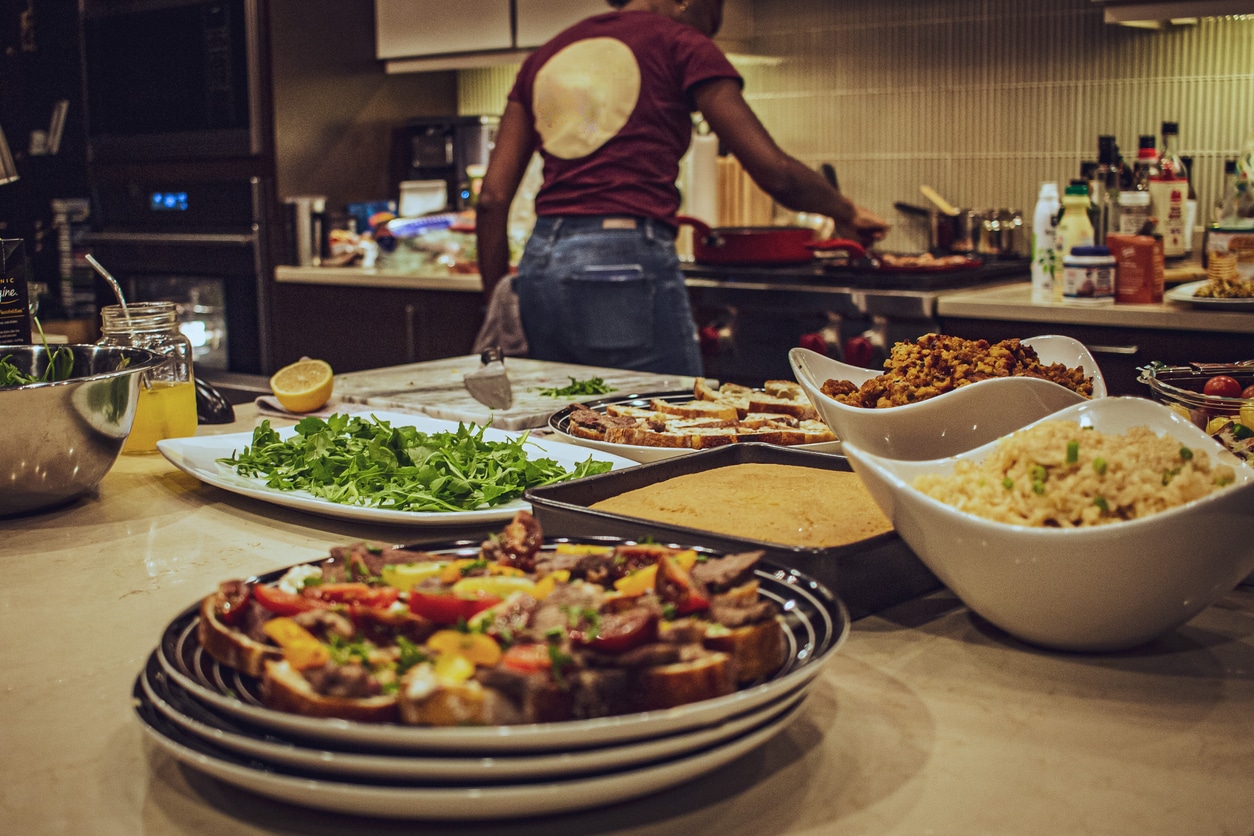
Sunday dinners and holiday feasts bring the people we love around one table. For many of us with roots across the African diaspora, food sits at the center of every celebration. But anyone who has hosted a full house knows that there are challenges that come with it.
For example, if your oven runs for hours and multiple burners stay lit at once, your kitchen can turn into a sauna, which can affect your hosting duties.Cooking for a crowd without overheating the house takes careful planning and creative use of your space.
Why Cooking for Crowd Turns Up the Heat
Every home cook understands the tradeoff. The dishes that bring the most joy, slow-braised oxtail, jollof rice simmering for an hour, a pot of gumbo that needs time to build flavor, also generate the most heat. Multiply that by several dishes cooking at once, and your kitchen can quickly climb several degrees above what you’d prefer. when cooking for a crowd of guests.
Why Traditional Kitchens Struggle
Most home kitchens were designed for weeknight meals, not marathon cooking sessions. A single oven and four burners simply cannot keep pace with a menu built for fifteen guests. When every appliance runs simultaneously, the room absorbs heat faster than most air-conditioning systems can remove it, especially in older homes with limited insulation or ductwork.
Add a house full of guests and warm serving dishes lining the counter, and the temperature climbs even higher. Many home chefs notice the kitchen becomes the hottest room in the house at the exact moment when they need to stay sharp and focused. Understanding why the heat builds up makes it much easier to plan around it rather than fight it in the moment.
Cooking Strategies That Keep the Kitchen Cool
The good news is that a hot kitchen doesn’t have to come at the cost of a great gathering. A few adjustments to how and where you cook can keep the temperature manageable while preparing a beautiful feast for family and friends.
- Move heavy cooking outdoors with a grill or portable burner whenever the weather allows.
- Use a slow cooker or pressure cooker for stews and braises instead of the stovetop.
- Prep components ahead of time so that the oven and stove run for shorter windows on the day of the event.
- Choose one hero dish that requires the oven and build the rest of the menu around countertop appliances.
Lean on Outdoor and Countertop Appliances
Grills and smokers move the hottest part of cooking away from your living space entirely. Countertop appliances like air fryers and multi-cookers also handle real cooking work without heating an entire room the way a full oven does. Many hosts build entire menus around these tools during summer gatherings and barely turn on the stove.
Stagger Your Cooking Schedule
Rather than running every burner and the oven at the same time when cooking for a crowd, stagger your schedule so that your heat-producing appliances take turns. Bake the dessert early in the day and cook rice or starches an hour before guests arrive, then reserve the stovetop for last-minute items that need your direct attention.
This approach spreads the heat load over several hours rather than concentrating it into a single intense stretch right before dinner. By pacing your cooking tasks thoughtfully, you create a more relaxed atmosphere and give yourself space to handle any unexpected hiccups that might arise.
RELATED: How to Keep Produce Fresh in Warm Kitchens
Rethink Airflow and Climate Control
Ventilation matters as much as your cooking techniques. Run your range hood whenever a burner is on, and crack a window if the weather cooperates. Position the fan to pull hot air out of the kitchen rather than circulate it.
For homeowners who entertain often, targeted climate control shapes how comfortable a gathering feels. Ductless systems have become popular for exactly this reason, as mini-split systems handle large open spaces, with kitchens and living areas connected in a single continuous flow.
A dedicated unit near the kitchen can lower the temperature in that area without heating up the entire house. This targeted cooling solution is especially helpful during large gatherings, ensuring the kitchen remains comfortable and allowing the host to focus on meal prep without overheating.
Bringing Diaspora Flavors to the Table Without the Sweat
Cooking for a crowd is closely tied to travel and culture for many of us. A pot of Nigerian jollof, a tray of Jamaican jerk chicken, or a pan of South African bobotie carries stories from journeys taken and memories of family recipes passed down through generations. You don’t have to endure a sweltering kitchen to honor that heritage in your cooking.
Many of the world’s most beloved diaspora cuisines already rely on outdoor cooking, with dishes designed to remain delicious even after resting. Taking inspiration from those traditions makes it easy to move parts of your menu outside, keeping the spirit of authenticity alive while making things more comfortable for everyone.
Consider building your next gathering menu around dishes that travel well between indoor and outdoor cooking spaces. Jerk chicken belongs on the grill anyway, so let it stay there. Rice dishes and stews thrive in a slow cooker set up on a porch or patio table, freeing your indoor kitchen for plating and dessert.
Wine pairings and specialty cocktails also shine when prepared in advance and served from a drink station away from the heat of the stove. This gives guests a cool spot to gather while the main dishes have time to finish.
Hosting should capture the same joy you find in travel and discovery, not feel like a physical trial by fire. The curiosity that inspires you to try a new restaurant in Lagos or a rooftop bar in Accra can also guide how you plan a gathering at home. Simple changes, like moving heat-producing appliances outdoors or prepping meals in stages, help keep your kitchen comfortable and preserve your energy for hosting.
Keep the Feast, Lose the Heat
A great gathering should feature food that celebrates culture and connection, and the host should enjoy the process, not just endure the heat that comes with it. Cooking for a crowd without overheating the house comes down to a simple strategy. Spread the workload across appliances and hours, and take advantage of outdoor cooking whenever the weather and your menu allow it.
With the right approach, your kitchen stays comfortable, and your table stays full of the flavors and stories that make hosting worthwhile. Guests will remember the warm atmosphere and delicious dishes long after the meal, making your efforts truly meaningful.
Read the full article from the original source
