




Black Athletes in the Spotlight: HBCU Sports & Local Highlights
- Single-vehicle rollover near Jupiter Island led to arrest and widespread scrutiny.
- Bodycam shows disorientation and odd statements; he refused a urine test, resulting in DUI, property damage, and refusal-to-comply charges.
- No alcohol detected; deputies found hydrocodone, echoing a 2017 prescription-medication DUI and long-term pain management concerns.
- Tiger Woods announced a break from golf, missing the Masters; judge approved travel to Europe for private treatment.
- Legacy honored by the USGA; public reaction mixed as he pleaded not guilty and requested a jury trial.
The latest chapter in the life of Tiger Woods has become one of the most complex and revealing of his storied career—one that now stretches far beyond fairways and major championships.

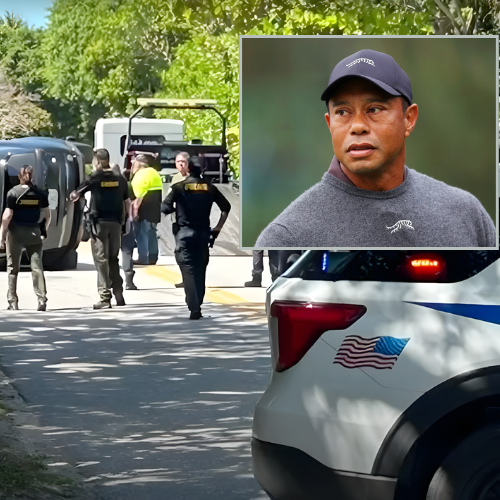
In late March 2026, Woods was involved in a serious single-vehicle rollover crash near his home in Jupiter Island, Florida, setting off a chain of events that has once again placed the golf icon under intense public scrutiny. The incident, which occurred on March 27, quickly escalated from a traffic accident into a legal, medical, and deeply personal situation that continues to unfold.

According to police reports and newly released bodycam footage, Woods attempted to pass another vehicle before clipping a trailer, causing his SUV to overturn. Though he escaped without major physical injury, what followed raised significant concerns. Officers on the scene reported that Woods appeared disoriented, lethargic, and physically unstable. He displayed signs of impairment, including profuse sweating, bloodshot eyes, and difficulty maintaining balance.
Authorities later confirmed that Woods had no alcohol in his system. However, he admitted to taking prescription medications earlier in the day, and deputies discovered hydrocodone pills in his possession. The situation grew more serious when Woods refused to submit to a urine test, leading to charges that included driving under the influence, property damage, and refusal to comply with testing.
Perhaps one of the most surreal moments captured in the aftermath came from bodycam footage, where Woods told officers he had just been “talking to the president” on the phone moments after the crash. The comment added a layer of intrigue to an already unusual situation, though it remains unclear who he was referring to.
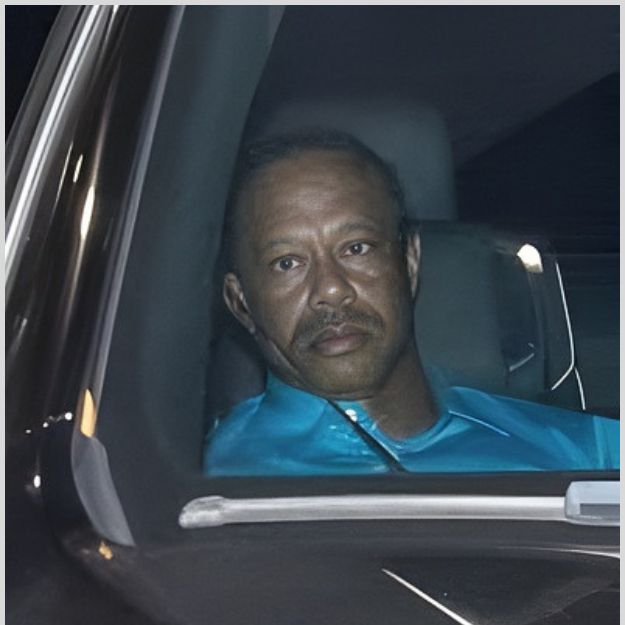
Woods was taken into custody and later released on bail after several hours. He has since pleaded not guilty and requested a jury trial, signaling that the legal process could extend for months.
A Pattern Revisited
For many observers, the incident immediately brought back memories of Woods’ 2017 DUI arrest, where he was also found to be under the influence of prescription medications rather than alcohol. That episode resulted in a guilty plea to reckless driving and a mandated rehabilitation program.
The similarities between the two incidents have reignited long-standing questions about Woods’ relationship with pain management and prescription drugs—an issue tied closely to his history of injuries and surgeries.
Over the past two decades, Woods has undergone multiple procedures, particularly on his back and legs, as he battled to extend one of the most dominant careers in sports history. His resilience became part of his legend, most notably during his dramatic 2019 Masters victory. But that resilience has also come at a cost.
The physical toll of competing at the highest level has required ongoing medical treatment, and with it, the use of powerful medications. In both 2017 and 2026, Woods attributed his condition to prescribed drugs, not alcohol—a distinction that complicates public perception but does little to lessen concern.
A Career Interrupted Again
At the time of the crash, Woods had been preparing for another appearance at the Masters Tournament, an event that has defined much of his legacy. In fact, he reportedly told first responders he still hoped to compete, underscoring his relentless competitive drive.
That possibility quickly disappeared.
Following the arrest, Woods announced that he would step away from golf to focus on his health and recovery. The decision means he will miss the Masters and potentially an extended portion of the season—another interruption in a career already shaped by injury-related absences.
For fans and analysts alike, the question is no longer just whether Woods can compete again, but whether he should.
Seeking Privacy and Treatment Abroad
In a notable development, a Florida judge granted Woods permission to leave the United States to pursue treatment, citing privacy concerns. Reports indicate that Woods is seeking care in Europe, where high-profile rehabilitation facilities offer discretion and specialized programs.
The move reflects both the seriousness of the situation and Woods’ desire to address it away from the intense spotlight that has followed him throughout his career.
It also signals a level of self-awareness. Woods has been down this road before, but the stakes now feel higher. At 50 years old, with a legacy firmly established, the focus appears to be shifting from comeback narratives to long-term well-being.
The Weight of Legacy
Few athletes in history have experienced the highs and lows that Woods has endured. A 15-time major champion and global icon, he transformed golf into a more diverse, widely followed sport. His influence extends far beyond trophies, reshaping the game’s cultural and commercial landscape.
Recently, that legacy was further cemented when the United States Golf Association honored him by associating his name with amateur golf’s most prestigious awards—an acknowledgment of both his impact and his enduring connection to the sport’s future.
Yet, even as his legacy is celebrated, his personal challenges continue to complicate the narrative.
This duality—unmatched greatness paired with deeply human struggles—has defined Woods for much of the past decade. Each setback invites renewed scrutiny, but also empathy from those who recognize the pressures and physical demands he has faced.
Public Reaction and Ongoing Questions
The response to Woods’ latest incident has been mixed. Supporters point to his history of injuries and the realities of managing chronic pain. Critics, however, question the repeated nature of the situation and the risks involved—not only to himself but to others.
At the center of the discussion is a broader issue facing professional athletes: the long-term effects of physical wear and tear, and the reliance on medications to manage it.
Woods’ case is particularly visible, but it is not unique.
Still, the visibility matters. As one of the most recognizable athletes in the world, Woods’ actions carry influence. His journey—both triumphs and setbacks—continues to shape how fans and future players understand the demands of elite competition.
What Comes Next
As Woods steps away from the game once again, the immediate focus shifts to recovery—both physical and personal. The legal process will continue in parallel, with a court appearance expected in the coming weeks.
Whether he returns to competitive golf remains uncertain.
What is clear, however, is that this moment represents another turning point. Not just in Woods’ career, but in how his story is ultimately told.
Is it the story of the greatest golfer of his generation overcoming every obstacle? Or one of a complex figure navigating the consequences of a life lived at the highest level of sport?
The answer may be both.
A Defining Chapter
In many ways, this latest episode reinforces what has always made Tiger Woods such a compelling figure. His story is not just about dominance or victory—it is about resilience, vulnerability, and the ongoing struggle to balance greatness with humanity.
As he seeks treatment and steps away from the public eye, the golf world watches with a mixture of concern and hope.
Because even now, after everything, Tiger Woods remains more than a champion. He remains a story still being written.
Read the full article on the original site

