




Real Estate News & Market Insights:
- Indoor sources include mold, animal dander, bacteria, dust mites, and chemical pollutants such as VOCs, radon, and asbestos.
- Health impacts range from eye and throat irritation and headaches to asthma attacks, chronic respiratory disease, heart disease, and cancer.
- High-risk rooms include kitchens (gas stove emissions), bathrooms and attics (moisture and mold), bedrooms (dust mites and VOCs).
- Key fixes: increase ventilation, vent gas hoods outside, install a HEPA purifier, replace HVAC filters, and clean regularly.
- Reduce sources: choose low-VOC materials, store chemicals outdoors, bathe pets, use doormats, and switch to electric appliances.
People spend about 90% of their time indoors. While smoke-filled skies and hay fever dominate the news cycles, indoor air pollution is just as important and often much harder to avoid. Smoke, vapors, mold, and more can all affect indoor air quality and lead to long-term health effects.
So, what is indoor air pollution, how does it impact you, and how can you improve the indoor air quality in your home? Whether you live in a home in Boston, or an apartment in Round Rock, TX, read on to learn more.
What is indoor air pollution?
Indoor air pollution is air from indoor or outdoor sources that is harmful to breathe in. It’s usually caused by chemicals, particulates, bacteria, and viruses in the air. Many of these pollutants are found in everyday products and chemicals, making them hard to avoid.
Additionally, outdoor air pollutants often leak indoors, affecting indoor air quality. Green, energy-efficient homes may offer a degree of protection. These homes often use higher-quality construction materials, better insulation, and newer HVAC systems that can reduce and remove chemicals and particulates. However, there is no perfect solution.
Indoor air pollution can cause mild to severe health effects that can last a day to a lifetime. Some symptoms show up after only a short exposure to pollution, including headaches and a runny nose. Others show up after years of exposure.
What causes indoor air pollution?
Indoor air pollution comes from biological and chemical sources. Let’s break these down:
Biological indoor air pollution sources |
|
| Mold | Animal dander and saliva |
| Bacteria | Dust mites |
| Viruses | Bed bugs |
| Pollen | Bug waste |
“One of the most commonly overlooked sources of indoor air pollution is hidden mold growth behind walls, under flooring, or inside HVAC systems.” Green Home Solutions warns. “These areas are out of sight, so homeowners often do not realize an issue exists until it becomes widespread. In some cases, certain molds can also produce mycotoxins, which are microscopic, invisible compounds that impact indoor air quality.”
Chemical indoor air pollution sources |
|
| Carbon monoxide | Lead |
| Carbon dioxide | Arsenic |
| Ozone (residual) | Tobacco smoke |
| Radon (residual) | Asbestos |
| Pesticides | Volatile organic compounds (VOCs) |
Other factors to consider
Levels of indoor air pollution vary widely depending on where you live. If you live near a large industrial area, you will likely experience higher levels of residual air pollution compared to people who live on top of a hill near the water.
Because air pollution and economic status are related, studies have indicated that lower-income people are exposed to more pollution. Additionally, older homes with poor insulation and inefficient appliances often have more air pollution.
Lastly, temperature, moisture, and humidity can affect the severity of air pollutants. For example, warmer temperatures can increase levels of outdoor airborne allergens, notably bacteria and pollen, which can then make their way into your home. High humidity also increases the concentration of toxic chemicals in the air and provides a good environment for dust mites.
What are VOCs?
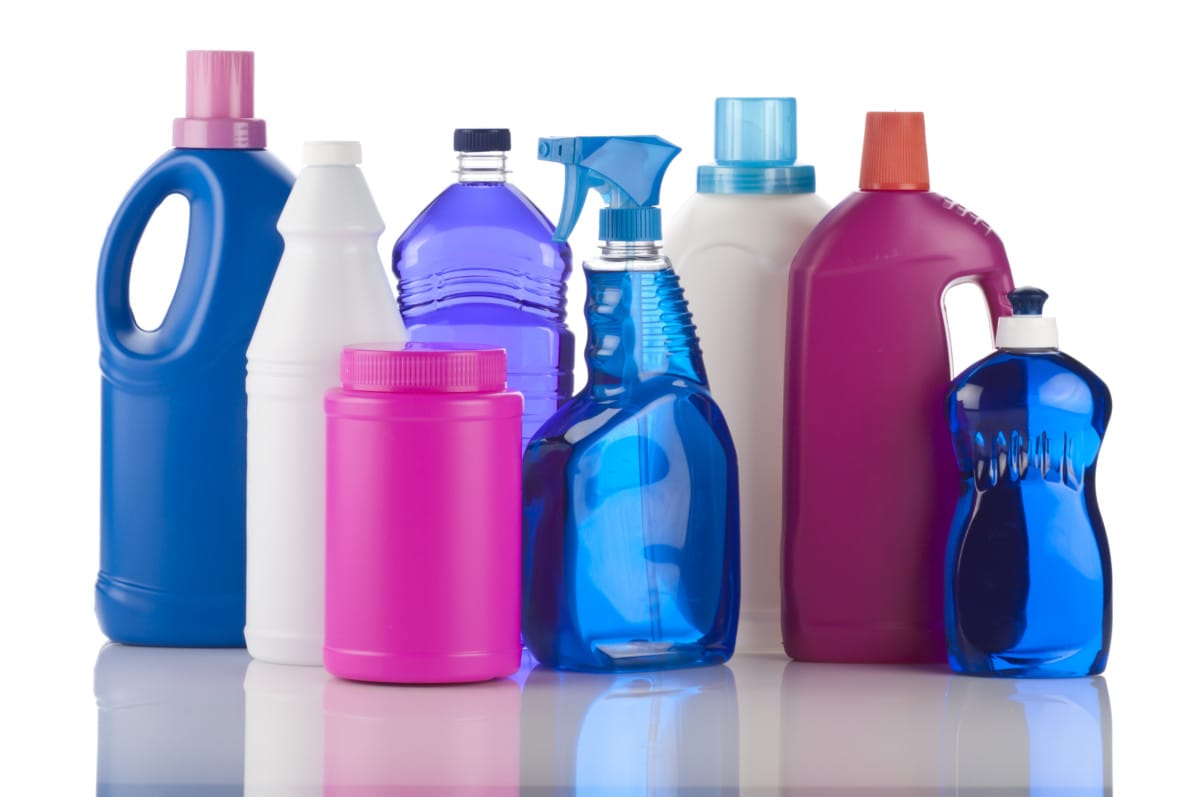
Volatile organic compounds (VOCs) are a large group of chemicals found in many everyday products. VOCs slowly release harmful gas (“off-gas”) that can cause significant adverse health effects, including long-term illnesses such as cancer and other chronic conditions. Many VOCs appear in higher concentrations indoors (up to five times higher) than they do outdoors, regardless of where you live.
Common VOCs |
|
| Benzene | Tetrachloroethylene |
| Ethylene glycol | Toluene |
| Formaldehyde | Xylene |
| Methylene chloride | 1,3-Butadiene |
| PFAS (Perfluoroalkyls and Polyfluoroalkyls) | |
Unfortunately, avoiding contact with VOCs is nearly impossible. Your best option is to increase ventilation, limit exposure, and store unused chemicals and harmful products outdoors or in an enclosed area. If you can, choose products made from natural materials that don’t include harmful chemicals.
Common products that contain VOCs |
|
| Office equipment | Ink, toner, printers, photocopiers, copy paper, glue, permanent markers |
| Building materials | Patin, varnishes, adhesives, composite wood products, upholstery, foam, refrigerant, carpet, vinyl |
| Everyday products | Many types of clothing (especially waterproof clothing), makeup, air fresheners, refrigerant |
| Oil products | Gasoline, petroleum, many plastics |
Effects of indoor air pollution
Poor indoor air quality can lead to numerous health issues. These include both short- and long-term effects, including:
- Irritation of the eyes, nose, and throat.
- Headache, fatigue, and dizziness.
- Cancer, respiratory diseases, pneumonia, and heart disease.
- Asthma triggers, both mild and severe.
The most common indoor air pollutants that cause adverse health effects are radon, carbon monoxide, Legionella bacteria, tobacco smoke, and particulates.
Green Home Solutions says, “Persistent allergy-like symptoms such as sneezing, coughing, headaches, or fatigue, especially when they improve outside the home, can be key indicators. You may also notice increased dust buildup, condensation on windows, or inconsistent airflow throughout the home. These early clues often point to underlying moisture or ventilation issues.”
Correlations between pollutants and effects are hard to prove, and many are under-researched. The best practice is to limit exposure to as many pollutants as possible and get treatment if you begin feeling effects.
Air pollution in your home: a room-by-room analysis
Common pollutants flow throughout your home and vary by room. For example, mold grows more quickly in attics and bathrooms, kitchens are prone to gas leaks, and rooms with poor circulation can have increased bacteria levels.
Unfortunately, there is no simple way to do a complete air quality sample to determine the number of pollutants in every room of your home. Even if you hire a professional to conduct a test, it’s nearly impossible to determine a causal relationship between pollutants and effects.
Your best bet is to reduce the number of pollutants in your home. Here is a room-by-room breakdown of common pollutants.
Kitchen
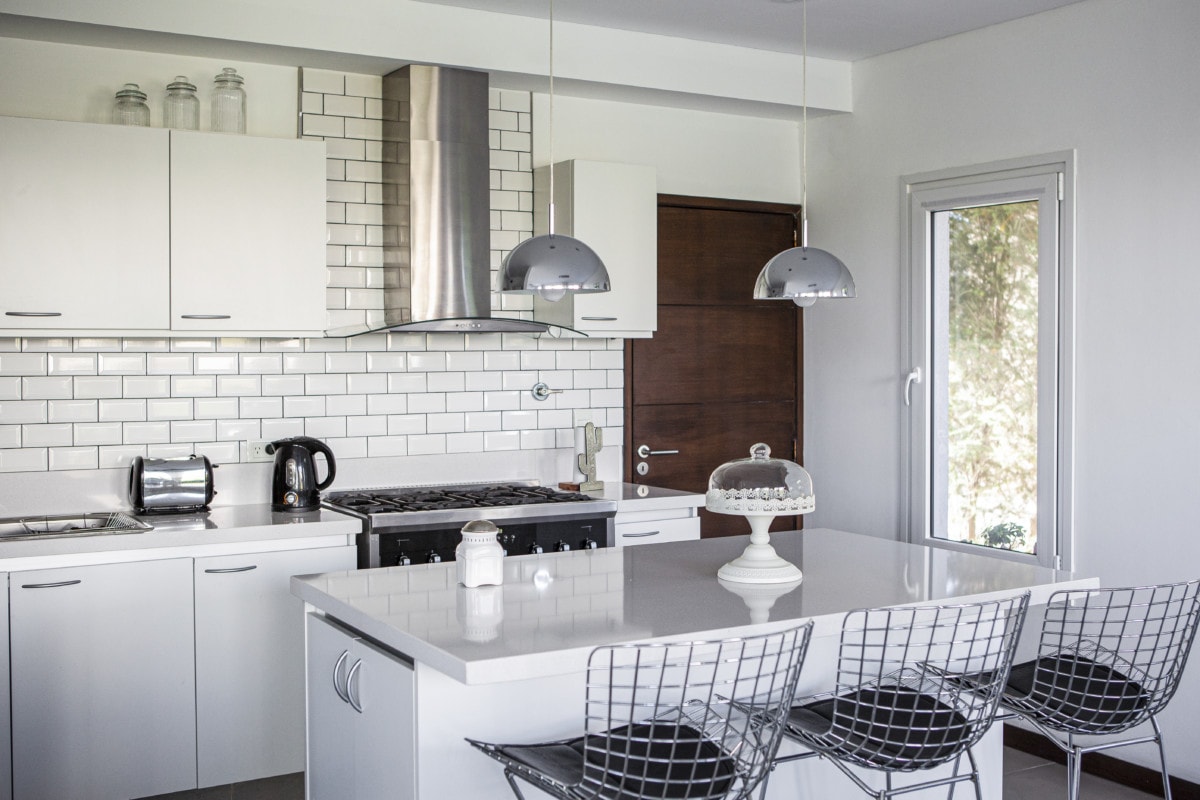
Kitchens are a major source of indoor air pollution. Be especially careful if you have gas stoves, compost bins, or dirty ventilation; gas stoves emit carbon monoxide and carbon dioxide, and pipes can leak methane. Keep your kitchen clean to prevent pests and other bugs from making a home.
Attic
People often forget about attics, but they can foster many pollutants, especially if you store harmful chemicals in them. To avoid most risks, keep humidity below 50% to prevent moisture problems and install ventilation. Additionally, keep your attic clean to discourage pests from entering your home.
Bathroom
Bathrooms are a source of moisture and mold. Bathrooms generally have vents, but they frequently get dirty and clogged and can do more harm than good. Insufficient cleaning and ventilation can also lead to mold and other toxins.
Bedroom
Bedrooms are commonly home to dust mites, other parasites, and VOCs. Dust mites live off old skin in your bedding and clothing, so be sure to do your laundry and keep your room clean and dusted.
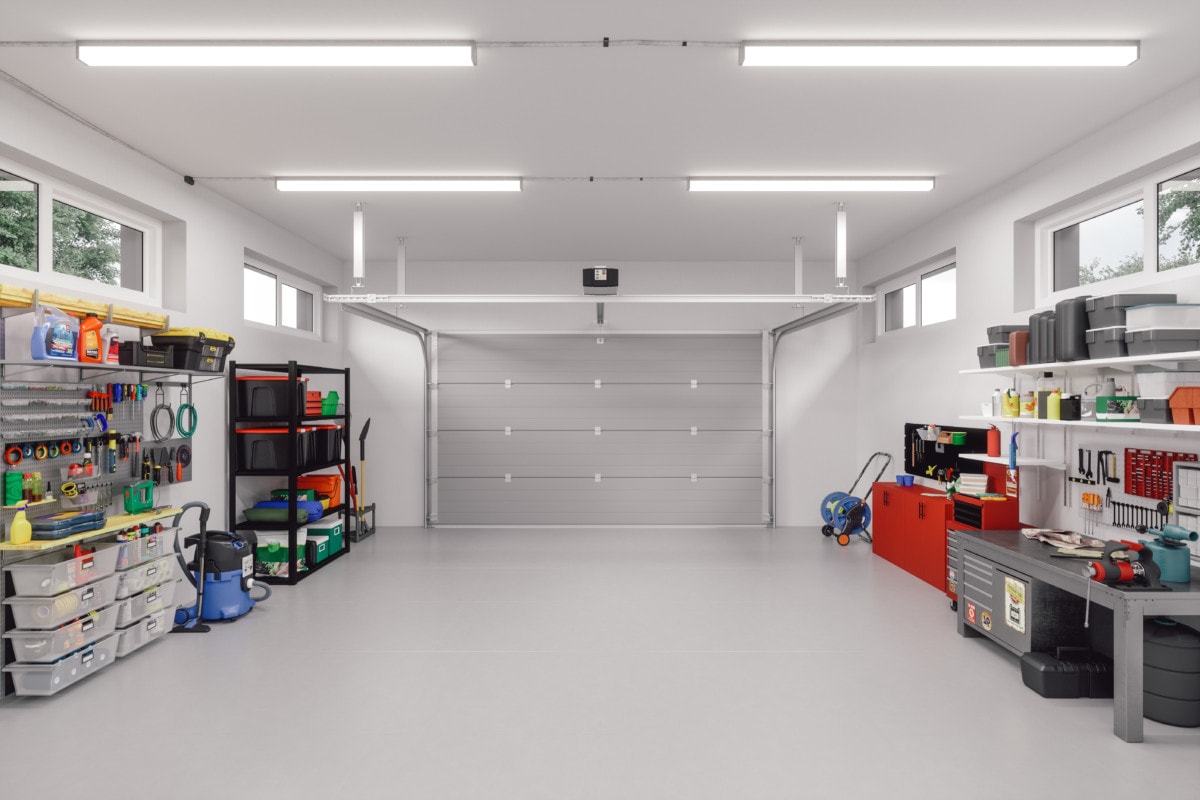
Garage
Many people store chemical and biological pollutants in garages, such as enzymes, paint, and other building materials.These materials often contain VOCs and release harmful gasses into the air.
Also, idle your car outside the garage and keep the garage well-ventilated to minimize dangerous emissions.
Living and dining area
Be aware of fireplaces, upholstery, and cleaning materials. Pollutants from a wood stove or fireplace can “back-draft” into the living area without a dedicated outdoor air supply. If your living room is in your basement, ensure it’s leak-proof and has adequate ventilation.
Fireplaces, gas stoves, grills, and space heaters can emit carbon monoxide or dioxide. Install a carbon monoxide detector to help you keep safe.
Outdoor areas
Keep yard and garden pesticides and fertilizers in the garage or an outdoor shed to prevent VOCs from spreading into your home. Make sure to wear natural gloves when handling dangerous chemicals like pesticides.
How to improve indoor air quality
Anything you bring into your home can affect the air quality throughout your home. Here are steps you can take to improve indoor air quality:
1. Switch to electric appliances
Electric appliances don’t produce emissions like methane and CO2. Additionally, eliminating natural gas in your home helps prevent gas leaks.
2. Upgrade appliances, building materials, and HVAC systems
If you have the budget, one of the best solutions is to update your windows, flooring, insulation, and especially your appliances.
3. Vent gas appliances outside
If you love cooking on a gas stove, make sure your hood vents outside. Many stove hoods recirculate air instead of blowing it outside.
4. Don’t burn anything indoors
Open flames produce CO2, which affects people’s lungs. Refrain from using fireplaces, burning candles, and using lighters if your situation allows.
5. Create natural ventilation
Open your windows, close blinds, and place a fan by the window to help circulate air.
6. Install an air purifier with a HEPA filter
Air purifiers won’t eliminate pollutants but can reduce them to safe levels. Make sure to choose a filter that filters to 0.3 microns for best results.
7. Purchase an indoor air quality monitor
Indoor air quality monitors can detect pollutants ranging from radon to PM2.5. Additionally, downloading the EPA’s air quality app can provide early warnings for air quality alerts in your area.
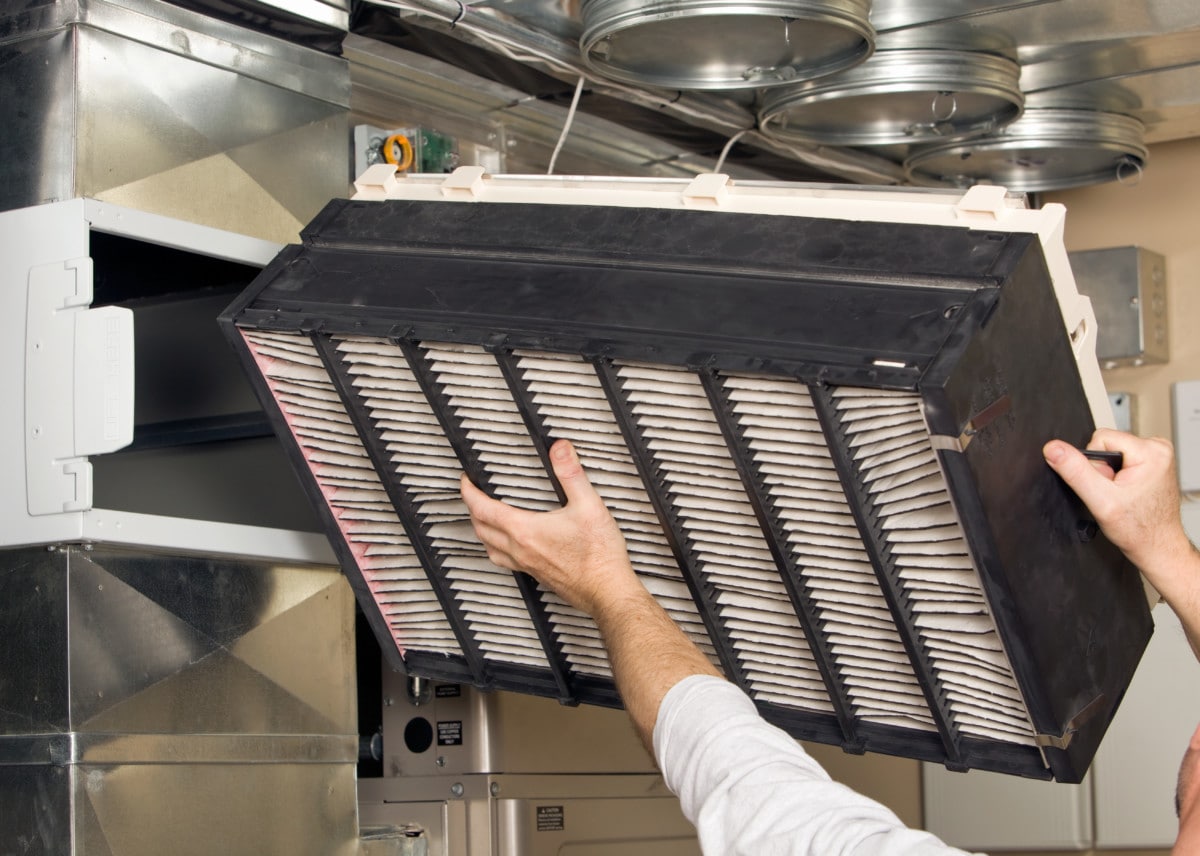
8. Replace HVAC and air purifier filters
Change your filter at least every three months, depending on your local air quality.
9. Clean regularly
Vacuum, dust, wipe down, and sweep once per week – more often if you have pets, children, or a large home. Pay extra attention to porous surfaces, such as upholstery and bedding.
10. Switch to natural cleaners
Products free from artificial preservatives, scents, and other harmful chemicals are best. If you must use unhealthy cleaners, store them outside or in a protected area.
11. Bathe your pets
Bathing pets can seem like a lot of work, but it’s a proven way to reduce or eliminate pet dander that can aggravate allergies.
12. Use a doormat
Doormats collect dust and debris from anyone who enters the home.
13. Choose green materials and furniture
Look for green building materials like bamboo or wool upholstery. Unlike polyester and synthetic leather coverings, these natural materials don’t produce VOCs.
Final thoughts on indoor air pollution
Indoor air quality is a major health concern that contributes to short- and long-term effects. Unfortunately, many everyday products and materials contribute to poor air quality, making it difficult to eliminate them. However, there are numerous ways to reduce indoor air pollution, including regular cleaning, switching to organic and natural cleaners, and installing air filters.
Most importantly, be mindful of what you’re bringing into your home. Do research, vet products, and switch to electric appliances if possible. This not only improves your air quality but also your quality of life.
Redfin does not provide medical advice. Always seek the advice of a qualified health provider for any questions you may have regarding your health.
Read the full article on the original source
