




Local Impact Spotlight:
- Exposure notified: All individuals who contacted the raccoon’s saliva received post-exposure guidance and follow-up.
- Rabies risks: Rabies can circulate in coastal Georgia wildlife including raccoons, foxes, and bats.
- Prevention tips: Avoid unknown animals, secure garbage, do not feed or adopt wild animals, and call animal control for sick wildlife.
- Pet vaccinations: Ensure dogs and cats receive rabies vaccines starting after 12 weeks, plus boosters per veterinary recommendations.
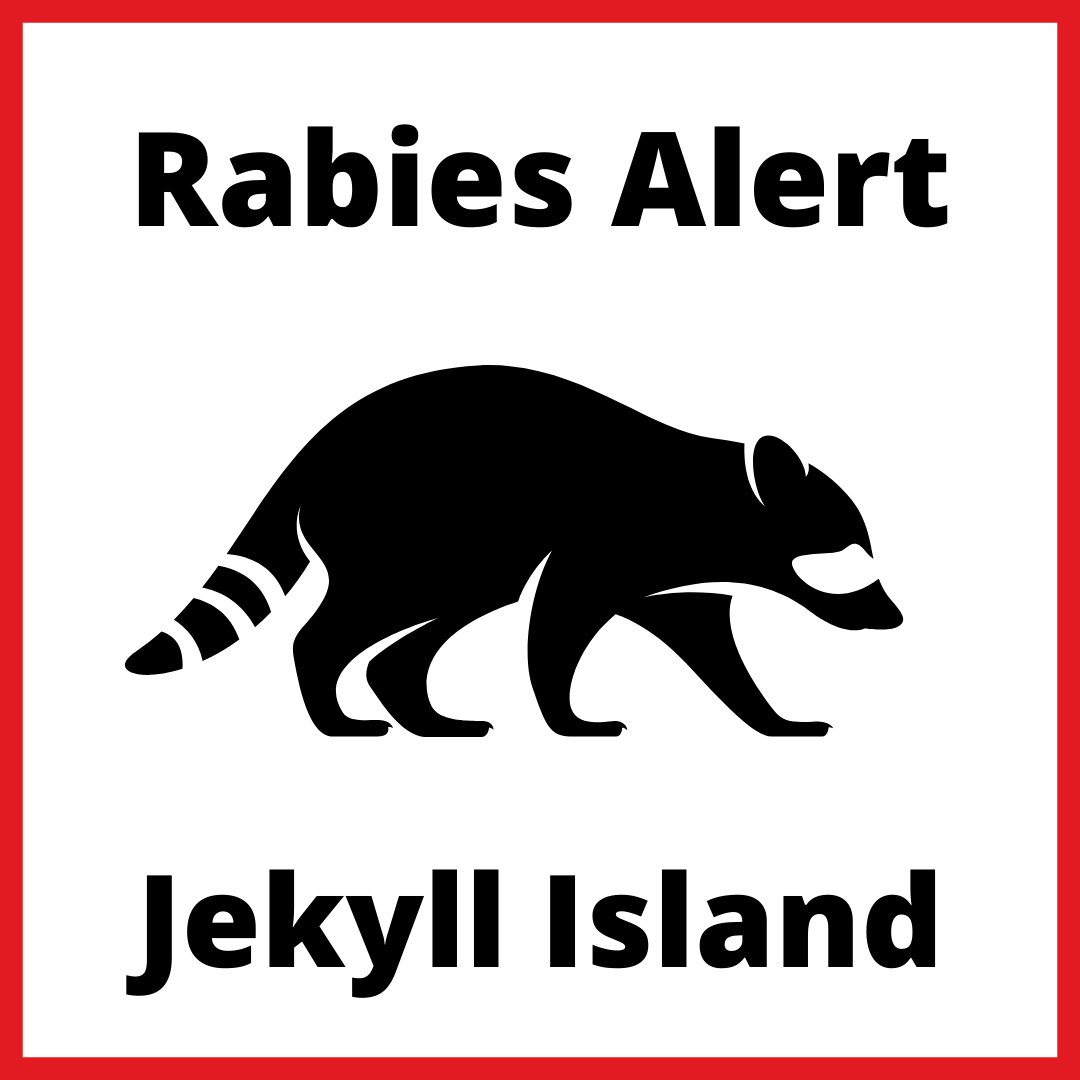
The Glynn County Health Department is alerting residents and visitors that a raccoon on Jekyll Island has tested positive for rabies. A family visiting Jekyll Island encountered a sick raccoon on January 16, 2026. The Jekyll Island Authority Conservation team was notified and was able to safely obtain the raccoon. The animal was observed to be exhibiting signs of lethargy and neurological impairment.
No bites or scratches were reported; however, adults involved did come into contact with the raccoon’s saliva while attempting to provide aid. All potentially exposed individuals have been notified of the positive test results and have received post-exposure guidance.
Rabies is a deadly virus that is primarily spread by infected animals. This is an important reminder that rabies can circulate in several species of wild animals in coastal Georgia, including raccoons, foxes, and bats. Residents are urged not to feed or handle wild animals or attempt to domesticate feral animals, and pet owners are reminded to ensure their animals get regular rabies shots.
The Glynn County Health Department’s Environmental Health office has these tips to protect you and your family from rabies:
- Avoid contact with animals you don’t know.
- Make sure your pets receive the proper immunizations. Dogs and cats should get rabies vaccines after 12 weeks of age, followed by a booster shot within one year and vaccination every 1-3 years depending on veterinary recommendation and vaccine used.
- Do not handle, feed, or unintentionally attract wild animals with open garbage cans or by leaving pet food out at night.
- Never adopt wild animals or bring them into your home. Do not try to nurse sick animals to health. Call animal control or a properly licensed animal rescue agency for assistance.
- Teach children to never handle unfamiliar animals, wild or domestic, even if they appear friendly. “Love your own, leave other animals alone” is a good principle for children to learn.
Symptoms of rabies in animals include a change in behavior, biting, aggression, showing no fear of natural enemies (such as humans), foaming at the mouth, and paralysis. If an animal ever bites you, seek medical care immediately and contact Glynn County Animal Control at 912-554-7500 and the Glynn County Health Department Environmental Health office at 912-279-2940.
Read more from the original source
