




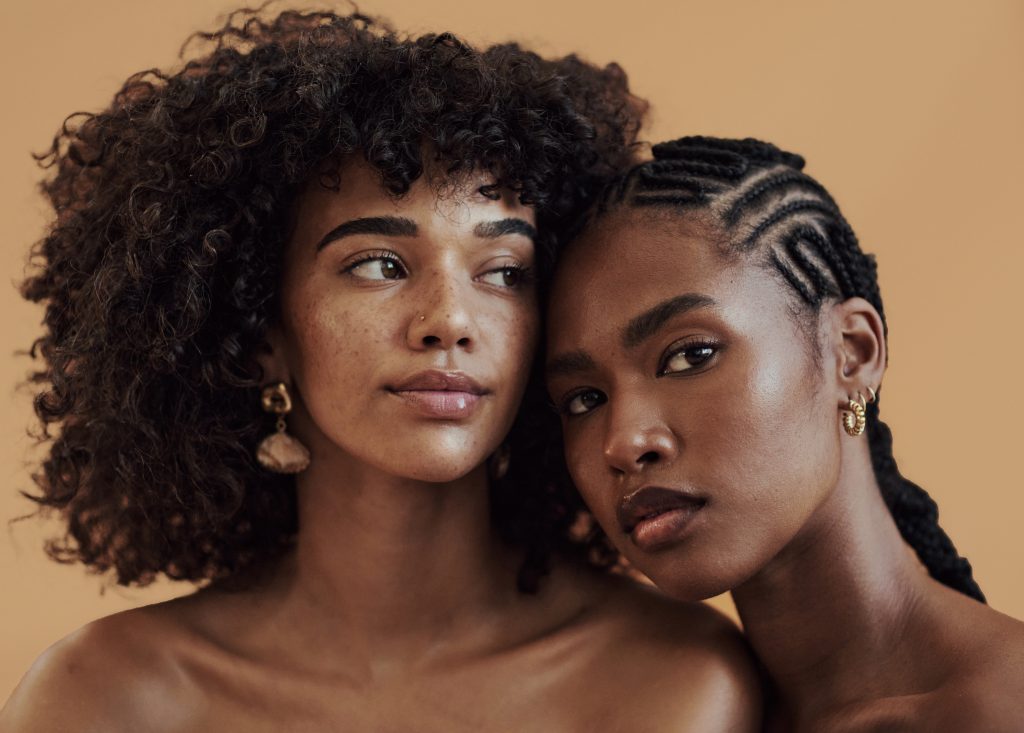
Glow & Grow: Black Beauty, Haircare, and Skincare Tips
- Recession hair: simplify routines with fewer steps and multipurpose products to save money without sacrificing hair health.
- Adopt low-manipulation styles like two-strand twists, braids, and buns to protect edges and retain length.
- Embrace DIY home styling: learn trims, refreshers, and protective-night routines to cut salon costs.
- Balance minimalism: avoid buildup by washing periodically and re-moisturizing to prevent breakage and dryness.

The Rise of Recession Hair : How Black Women Are Winning with Less
If the phrase “recession hair” has popped up on your TikTok or YouTube scroll lately, you’re not alone. What started as a casual term is now a full-on beauty movement. And yes, we’re absolutely here for it.
In a time where everything from your oat milk to your edge control seems to cost more, Black women are taking matters into their own hands, reimagining their routines with smarter, more cost-effective hair care strategies. But here’s the kicker: we’re not sacrificing beauty for budgeting. We’re simplifying, not settling.
Below, we break down everything you need to know about the rise of recession hair, how to thrive in your own low-maintenance era, and the best affordable products, tips, and techniques to keep your crown healthy and flourishing.
What Is Recession Hair, Exactly?
It’s the art of doing more with less. Recession hair is about cutting back on expensive salon visits and product overload in favor of routines that are practical, effective, and gentle on both your hair and your wallet. Think fewer steps, multipurpose products, and a return to the basics.
Gone are the days of needing a 10-step regimen or splurging on every new launch. Now, it’s about stretching styles, skipping unnecessary wash days, and rethinking how we care for our curls, coils, and kinks.
CN Says: This trend is reminding us that intention is the real flex. You don’t need everything. You just need what works. I use one styler. Period. Once I find what works, I keep that in stock. No need to throw money down the drain and stockpile products that underperform for my hair type.
Simplified Natural Hair Routines That Work
Here’s what’s trending (and actually working) in the world of minimalist natural hair care:
- Weekly or bi-weekly washes using affordable, sulfate-free shampoos
- One good deep conditioner that nourishes and detangles in one go (CN says: I use the same conditioner for my deep conditioner- Innersense Color Radiance Conditioner)
- Leave-in + oil + bun combo for moisture and protective styling
- Low-manipulation styles like two-strand twists, flat twists, or braids
- Protective accessories like silk scarves and satin-lined caps worn during the day
Not only are these methods cost-effective, but they also encourage length retention, promote healthy scalp conditions, and prevent product overload.
Budget-Friendly Hair Products That Actually Deliver
You don’t have to drop a check to get high-quality results. These under-$20 staples have been dominating Black Beauty TikTok and YouTube:
These products do more with less and are perfect for women embracing the recession hair movement.
The Return of DIY Haircare and Home Styling
Another major part of this trend? Bringing it back home. More Black women are skipping salon chairs and tapping into the power of YouTube University. It’s giving DIY era, and it’s giving results!
From learning to trim our ends to reinstalling crochet styles and clip-ins, we’re seeing a wave of women reclaiming their own hair knowledge. And with it, their confidence.
Popular at-home strategies include:
- Trimming ends every 8-10 weeks
- Re-moisturizing mid-week with aloe juice or leave-ins
- Refreshing old twist-outs with a mist of water + mousse
- Using eco-friendly hair tools and bonnets to protect styles overnight
We’re the original stylists. Our grandmothers knew. Our mothers knew. Now we know.
Side Effects of Doing Too Much (Or Too Little)
Even minimalist routines need balance. Here’s what to watch for:
- Scalp issues from infrequent washes
- Build-up from overusing oils or butters
- Dry ends if trimming is ignored too long
- Breakage if you’re not re-moisturizing protective styles regularly
Think of this as a “less is more” approach, but not “nothing at all.”
CN Says: Budget hair care doesn’t mean neglect. It means you’re choosing wisdom over excess. Keep it simple! My main product is a little expensive, but it’s the only product I need for styling my curls. Cecred’s Moisture Sealing Lotion— it moisturizes, seals, and sets curls all in one!
Final Thoughts:
Recession hair isn’t just a trend, it’s a whole mindset. A lifestyle. And honestly? It’s one we could all benefit from. Because beauty doesn’t have to cost a fortune to feel like luxury. Your crown doesn’t need a receipt to be worthy. Keep it simple. Keep it sacred. And keep showing up for your hair like it’s showing up for you!
Read More for Recession Hair Finds at Your Local Drugstore
10 Drugstore Products to Try Today!
10 Holy Grail Products Under $10
Watch for More Recessions Hair Finds at Your Local Drugstore
FAQ’s
What is the recession hair trend for Black women?
What are the best recession hair routines for natural hair?
The best routines involve co-washing, protective styles, minimal heat, and using multi-use products like leave-ins and oils that hydrate and seal.
How often should I wash my hair during a recession hair routine?
Most women are washing every 7–14 days with a gentle shampoo or cleansing conditioner to stretch product use and protect natural oils.
Can recession hair routines help with hair growth?
Yes! Simplified routines reduce breakage and stress on strands, helping you retain length and improve scalp health key factors in natural hair growth.
What are the most affordable natural hair products in 2025?
Affordable favorites include Mielle Rosemary Mint Oil, TGIN Honey Mask, Aussie Moist Conditioner, and African Pride Pre-Shampoo.
Is recession hair only for natural hair types?
Not at all recession hair principles apply to all Black hair textures, whether relaxed, transitioning, or natural. It’s about intentional, budget-smart care.
How do I protect my edges during low-budget styling?
Use edge-friendly wraps, avoid tight styles, moisturize daily, and avoid over-brushing. A soft bristle brush and silk scarf are your recession hair BFFs.
What hairstyles are best for the recession hair era?
Two-strand twists, flat twists, low buns, braid-outs, and crochet braids are trending easy to maintain, protective, and budget-friendly.
What are the pros and cons of a minimalist hair care routine?
Pros include cost savings, simplicity, and better scalp health. Cons can include buildup if not washed regularly or dryness if moisture is neglected.
How can I make my protective styles last longer without buildup?
Rehydrate daily with light leave-ins, use scalp sprays or rosewater, and sleep with satin or silk protection to stretch style longevity.
Read the full article from the original source
