




- Gullah Geechee roots in enslaved Africans from West and Central Africa, preserving language, knowledge and customs.
- Union arrival in 1861 led to formation of the First South Carolina Infantry of African descent, showing fight for freedom.
- Anita Singleton-Prather credits family teaching cultural pride; her family helped integrate Beaufort schools and kept identity central.
- Arts fueled education through the Gullah Traveling Theater and Gullah Kinfolk, connecting history with audiences nationwide.
- Language, food, dance, sweetgrass weaving and religious traditions remain vibrant, passed down to propel the next generation.
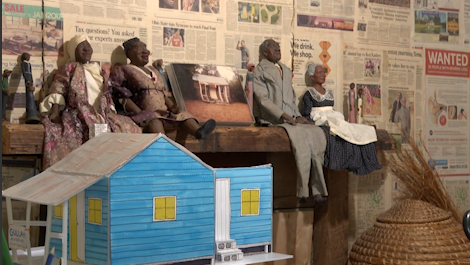
Gullah Geechee culture still thrives in the Lowcountry, where traditions, language and history continue to shape daily life.
BEAUFORT COUNTY, S.C. —
As America marks 250 years, we’re highlighting the cultures that helped shape the nation — including the Gullah Geechee people, whose influence remains strong in the Lowcountry and coastal Georgia. Their traditions, language and stories are still passed down today.
Along the coast, the Gullah Geechee culture has survived for centuries — longer than the United States has existed.
The culture is rooted in the experience of enslaved Africans, mostly from West and Central Africa, who brought language, knowledge and customs that took hold in the Sea Islands and surrounding communities.
“It is a blending of all those cultures it came together during that horrible time in our history called the transatlantic slave trade. It didn’t start on the shores of south Africa, it started on the shores of West Africa,” said Anita Singleton-Prather.
When Union forces arrived on the Sea Islands in 1861, they found the Gullah people not only wishing for their freedom, but willing to fight for it — resulting in the formation of the First South Carolina Infantry of African descent.
That passion can be seen in their descendants generations later. For Anita Singleton-Prather, it’s part of her family story.
Her paternal grandfather was born in 1875, just ten years after emancipation.
“All of that rich history that we were just taught to embrace and so it was just something that’s in me and I knew it was important for me to know who I was,” said Prather.
As one of the first Black families in Beaufort to integrate schools, she said it was her family that instilled her cultural pride.
“My identity was important, that was something my mother and dad emphasized, that we weren’t second to anyone and that our culture is important,” said Prather.
That sense of purpose later fueled her work as a teacher, which helped shape the Gullah Traveling Theater and Gullah Kinfolk, using the arts to teach history in a way that connects with students and audiences nationwide.
“The arts gave us an opportunity to reach them at a different level, and the arts can give and kind of even out the playing field,” Prather said.
And the culture itself remains very much alive — in the language, in the food, dance, sweetgrass weaving, the religious traditions — and in the people who keep pushing forward.
“We have to tell all parts of the story, the good the bad and the ugly. And it’s all of that that makes us who we are to continue to propel the next generation.”
As the nation marks 250 years, the Gullah Geechee story remains a powerful reminder of the people and traditions that helped shape America.
