





Science & Discovery: Check Out the Globe Via Research and Innovation
- Originated from a Medieval Europe custom where guests seized the bride's garter, inspiring a less intrusive bouquet toss replacement.
- In the Victorian era bouquets symbolized fertility and renewal; catching promised marriage, children, or good fortune.
- The separate garter toss endured into the twentieth century, creating gendered but parallel rituals for men and women.
- Feminist criticism argues the tradition enforces women’s value tied to marital status and pressures unmarried guests.
- Couples now adapt: inclusive throws, multiple small bouquets, or skipping it, balancing heritage with modern values.
The bouquet throw is commonly a moment that splits point of view during contemporary wedding celebration events. Some visitors excitedly crowd the dancing floor, scrambling for placement to capture the coveted blossoms. Others view the routine as out-of-date, unpleasant, and unexciting. This seemingly straightforward practice brings centuries of history and advancing custom-mades. Recognizing where the arrangement toss stemmed reveals much about just how wedding event practices develop and are kept.
Picture by StockSnap from Pixabay
The Garter Belt Link
The wedding arrangement throw didn’t arise alone. It developed from an earlier, far more intimate custom including the bride-to-be’s garter belt. In medieval Europe, wedding celebration guests would actually eliminate the new bride’s garter as a token and sign of good fortune. This technique was rowdy, intrusive, and increasingly awkward as culture progressed. Wedding celebration coordinators and new brides wearied of this unacceptable personalized, so they looked for a choice that kept the practice’s significance while giving dignity and etiquette. The service was ingenious: the bride would certainly eliminate her garter and toss it to male guests, imitating the initial ritual without the uncomfortable physical get in touch with.
The Arrangement as Secondary Tradition
The bridal arrangement itself held significance in Victorian times. Bride-to-bes believed that dispersing parts of their bouquets to guests would certainly spread out good luck and fertility blessings throughout their social circle. This practice normally advanced into tossing the entire arrangement, combining 2 customs into one meaningful gesture.
Why Flowers Mattered
During the Victorian duration, blossoms carried deep symbolic meaning. A bride’s bouquet stood for fertility, revival, and the guarantee of future youngsters. Guests catching the blossoms believed they would be honored with marriage, kids, or good fortune. This superstitious belief made the bouquet toss a truly expected event as opposed to mere amusement.
Sex Roles and Assumptions
The Victorian custom explicitly targeted unmarried ladies. The implicit message was clear: catching the bouquet meant you would certainly be alongside marry. This developed a strange social pressure, specifically for women approaching marriageable age, who felt their expectations magnify when the bouquet toss began.
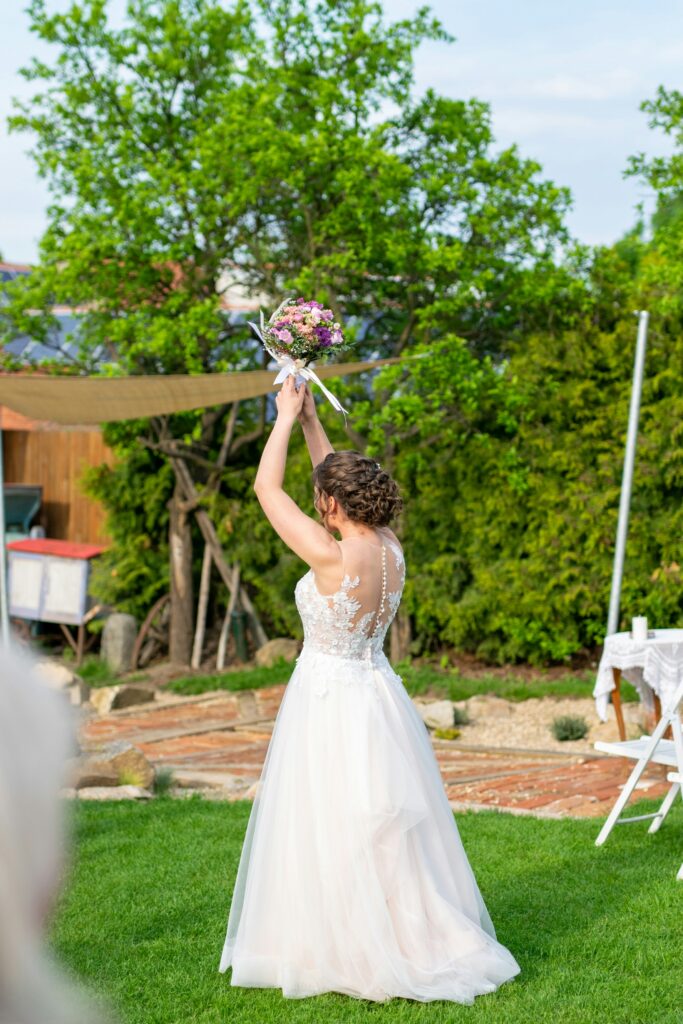
Picture by Michal Mikulec on Unsplash
The Garter Toss Survives
Interestingly, the garter throw continued alongside the bouquet practice throughout the twentieth century. Brides would certainly remove their garter– often with staged panache– and the groom would toss it to unmarried male visitors. This developed an unbalanced routine in which both males and females took part, yet in different methods.
Post-Wedding Reception Centerpiece
As wedding events became much more defined and structured, the arrangement toss became a set up occasion rather than a spontaneous celebration. It typically occurs late in the function, after dinner and dancing, creating a defined minute of routine and common involvement.
The Feminist Critique
Contemporary feminism has tested the arrangement throw’s underlying assumptions. Doubters argue that the tradition continues obsolete ideas concerning ladies’s worth being connected to marriage condition. The stress to get involved, the implicit pointer that capturing blossoms guarantees marital relationship, and the gendered nature of the ritual all face genuine examination.
Alternate Customs Emerge
Progressive couples now welcome alternatives. Some throw bouquets to visitors of any sex. Others miss the practice completely, choosing even more comprehensive routines. Some bride-to-bes create several smaller sized bouquets to disperse instead of throwing a single arrangement. These modifications recognize tradition while valuing modern-day worths.
Why It Continues
In spite of criticism, the arrangement throw continues to be typical since it offers real purposes: it creates a participatory moment, offers entertainment, and preserves a link to wedding celebration heritage. For several, practice’s worth exists precisely in its connection throughout generations.
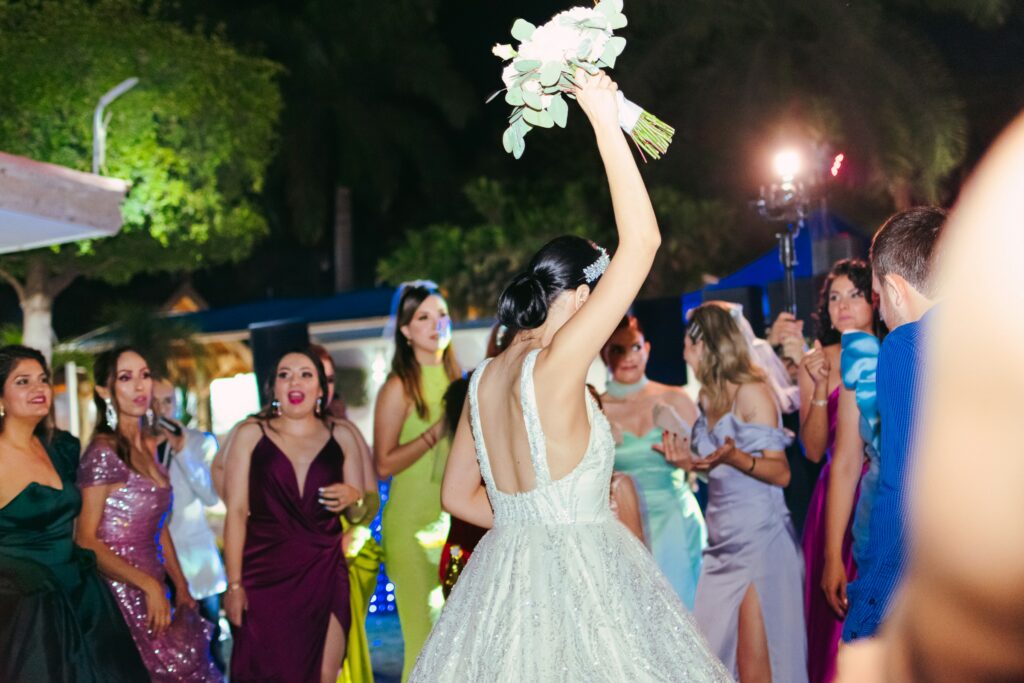
Image by Fotógrafo Samuel Cruz on Unsplash
The wedding celebration bouquet throw developed from an intimate medieval custom right into a Victorian superstition and, ultimately, right into modern function amusement. Its journey mirrors transforming mindsets toward sex, marital relationship, and custom itself. Whether pairs choose to throw, modify, or desert the practice, recognizing its roots improves recognition for how ceremonies both recognize the past and adapt to present values.
Check out the full short article from the initial resource
