




Food & Beverage News: Insights, Safety, and Dining Trends
- Lack of storage: counters crowded because cabinets can't hold regularly used cookware, pantry staples, and serving pieces.
- Insufficient counter space: meal prep spills to the dining table, making multi-step recipes and entertaining awkward.
- Cramped layout: movement between sink, stove, and refrigerator is blocked, preventing more than one cook and stressing hosting.
For many home cooks, the kitchen is more than a place to prep dinner. It is where families pass down recipes, where weekend meals turn into celebrations, and where culture shows up in the details, from spice blends to serving dishes to the rhythm of how people gather. A kitchen can hold years of memory, but memory alone does not make a space work well.
There comes a point when nostalgia starts competing with function. If you rearrange your cooking habits around the limits of your space instead of using your kitchen with ease, that shift matters. Below, we’ll break down some of the more notable signs that you’ve outgrown your home’s kitchen.
1. Lack of Storage for Grocers
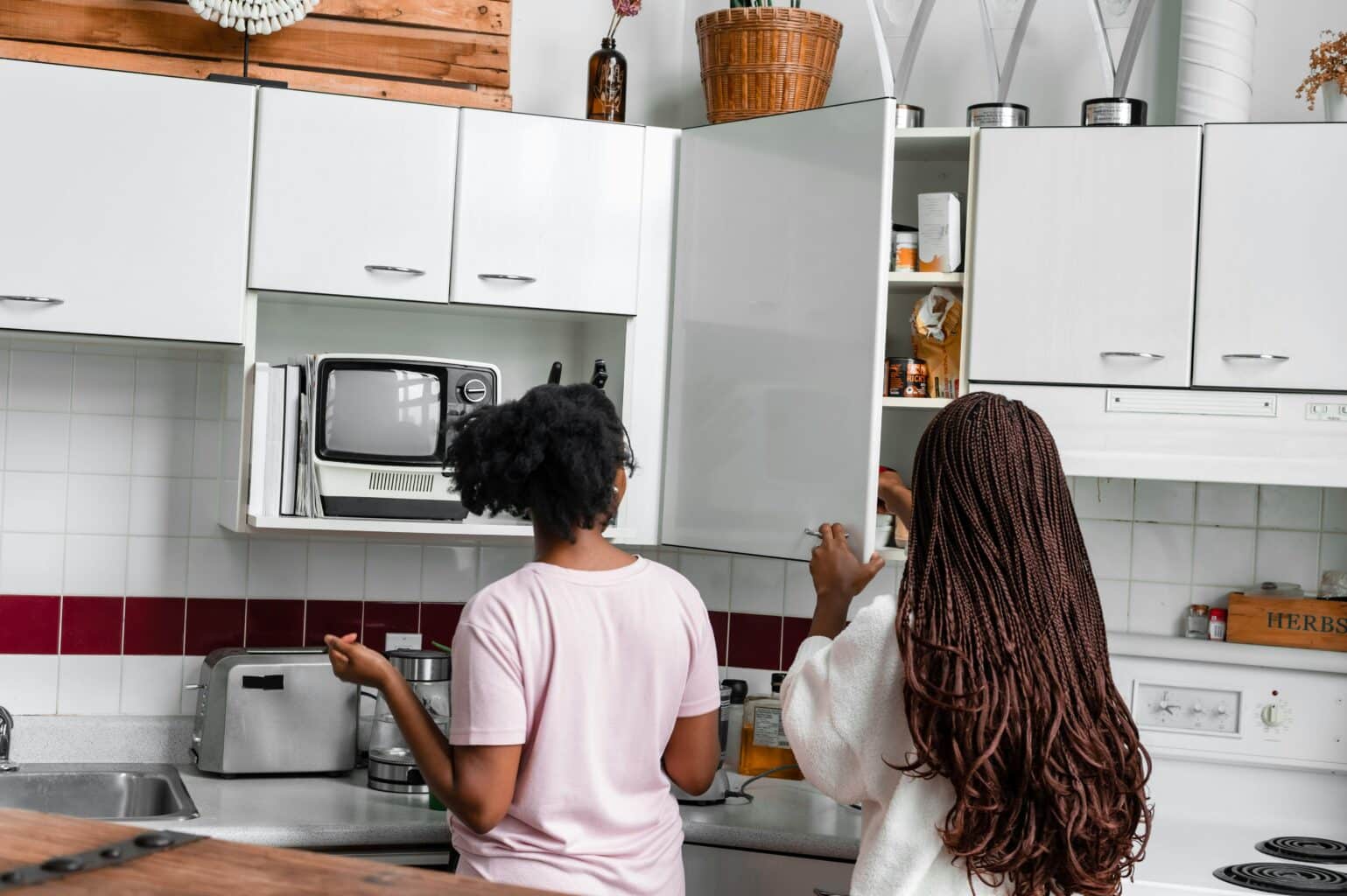
A kitchen that works for serious home cooking needs room for dry goods, cookware, serving pieces, and the ingredients that shape everyday meals. If your counters stay crowded because cabinets cannot hold what you use regularly, the problem is no longer clutter; it’s capacity.
That issue becomes even clearer in homes where cooking draws on a wide pantry, larger pots, special appliances, or special dishes for gatherings and holidays. When you max out your kitchen’s storage every single week, your kitchen is telling you that it no longer fits the way you live.
2. Your Counter Lacks Space for Meal Prep
A small patch of open counter may be enough for a quick sandwich, but it falls short when you need space to chop vegetables, season proteins, set out ingredients, and plate food with care. If you find yourself using the dining table as backup prep space, your kitchen layout is working against you.
For cooks who prepare layered meals, entertain at home, or make recipes that require multiple steps, usable surface area changes everything. A beautiful kitchen loses value fast when there is nowhere to work comfortably.
3. The Flow Stops When Another Cook Enters the Kitchen
Another sign that you’ve outgrown your home’s kitchen is if it only functionally allows one person to operate comfortably. A kitchen should support movement. You should be able to move from sink to stove to refrigerator without bumping into cabinet doors, sidestepping stools, or asking someone to move every few minutes. When the space feels cramped with even one extra person in it, the design may no longer fit your household.
This matters in homes where cooking is social. Many people do not cook alone. Children help, partners join in, and guests gather near the action. If your kitchen cannot support that energy without turning chaotic, it may no longer reflect the way your home really functions.
4. Your Appliances No Longer Fit the Space
Sometimes the problem is not the appliance itself. It is the relationship between the appliance and the rest of the kitchen. A refrigerator that blocks circulation, an oven that leaves no landing space, or a lack of room for tools you now use all point to a mismatch between the space and your needs.
The same issue shows up when your kitchen lacks the features your cooking routine now demands. Maybe you need better ventilation, a larger sink, or room for small appliances that support how you actually cook. These are not luxury concerns when they affect daily function.
5. Your Home’s Kitchen Creates Stress When Hosting
For people who love bringing others together through food, the kitchen sits at the center of hospitality. When that space makes hosting feel harder than it should, the emotional impact is real. You may start simplifying menus, limiting guest lists, or saying no to gatherings you once enjoyed.
That shift can signal that your kitchen is constraining your life in a meaningful way. A kitchen should support your lifestyle, not shrink it. If the space makes celebration feel like a logistical problem, it may be time to imagine something better.
6. Cleanup Takes Longer Than It Should
A kitchen with a poor workflow can make cleanup feel endless. If the dishwasher door blocks movement, the trash pullout is in the wrong place, or the sink area lacks enough room for washing and drying, simple tasks start taking more effort than they should.
These daily irritations add up. A kitchen does not need to be enormous to work well, but it does need a layout that respects how cooking and cleanup happen. When every meal ends with unnecessary friction, the design deserves a second look.
7. Your Kitchen No Longer Matches How You Eat
People change, families grow, health needs shift, and tastes can become more adventurous. A kitchen that once suited a simpler routine may struggle to support scratch cooking, meal prep, cultural traditions, or a deeper interest in baking, preserving, or entertaining.
This sign matters because it reminds people that outgrowing a kitchen is not a failure of planning, but a mark of growth. Your space may simply reflect an earlier version of your life, while your current habits call for something more flexible and more intentional.
RELATED: How Long Can You Keep Frozen Food? The Dos and Don’ts of Freezing Food for Later
8. You Keep Making Temporary Fixes Instead of Permanent Solutions
Portable carts, stacked bins, over-the-door racks, and countertop organizers can help for a while. But when your kitchen depends on workarounds to perform basic tasks, those fixes can start masking a larger issue. At some point, patching the problem costs more energy than solving it.
Small fixes can’t overcome fundamental issues. A permanent solution, like remodeling your kitchen, is a way to update your kitchen to your current needs. How long a kitchen remodel takes will depend on the nature of the changes you’re marking, but putting in the effort now will pay dividends in the future.
9. The Space Feels Functionally Dated
Style alone does not determine whether a kitchen still works. Function does. But dated finishes, worn cabinets, poor lighting, and aging materials can create real problems when they reduce visibility, efficiency, or ease of maintenance.
A kitchen that feels stuck in another era can also affect how you connect to your home. If the room no longer reflects the energy, care, and creativity you bring to cooking, that disconnect is worth noticing.
10. You Can Clearly Picture What Would Work Better
One of the strongest signs appears when you no longer struggle to name the problem. You already know where more storage should go, where an island would help, or why a better layout would improve the way you cook and gather. That clarity comes from experience, not impulse.
At that point, the conversation shifts from vague dissatisfaction to informed change. Whether the next step is a modest upgrade or a full renovation, the goal stays the same: to create a kitchen that supports the meals, traditions, and connections that matter most in your home.
A Kitchen Should Grow with the Life Around It
The best kitchens do more than look appealing. They make daily cooking smoother, gatherings warmer, and cleanup less draining. When your kitchen stops doing those things, paying attention is an act of care, not excess. If you’ve noticed these signs, it might be time to make a more permanent change to your kitchen to get a space that works with you instead of against you.
Read the full article from the original source
