




GEORGETOWN COUNTY, S.C. (WPDE) — The Gullah Geechee are descendants of enslaved Africans who held on to much of their African heritage.
- Ron Daise serves as a cultural interpreter, educating others about Gullah Geechee language, customs, and historical influence.
- Soul food and musical rhythms from Gullah Geechee culture influenced gospel, jazz, ragtime, and rhythm and blues traditions.
- Traditional cultivation techniques endure, while elders and educators present heritage programs at Brookgreen Gardens to preserve songs and customs.
Known for their unique language, vibrant art forms and distinctive food, the Gullah’s legacy in South Carolina is being carried on to this day, by people like Ron Daise.
“It has always been important to me to share the significance of my cultural heritage,” Daise said.
Daise has spent a lifetime spreading awareness and education about the culture that raised him – the Gullah Geechee.
The South Carolina native is an author, an Emmy-nominated performing artist, a star on a TV show and a whole lot more, but these days he says his role as a cultural interpreter is his most important.
It’s important for Americans and, you know, throughout the world, to the know the importance of one aspect of American heritage. Gullah heritage is that of the west Africans who were brought to this country during the 17 and 1800s to produce cash crops.
“Their heritage has been passed on. It’s an integral part of what shaped American culture and heritage. And it’s important for the Gullah people themselves to understand it, and for others to recognize the great impact,” Daise said.
READ NEXT: Gullah Geechee elders work to preserve sacred songs passed down by enslaved ancestors
While there are ties to the slave trade, Daise said the roots of the Gullah Geechee along the southeastern coast of the country go much farther back than the birth of the nation – to cultures and communities hailing from Africa, now existing here, a nation within a nation.
I want people to understand the importance, the richness, of the Gullah Geechee culture. To know that that involves not only a language, but facets of our heritage. Our customs, and how much that they have impacted American culture and history.
As this country approaches its 250 year anniversary, but also its connections with other cultures of the African diaspora throughout the world.
Soul food has many Gullah roots, the rhythm and structure of Gullah spirituals have evolved into gospel, jazz, ragtime and rhythm and blues.
Some Gullah techniques for cultivating crops are still used to this day.
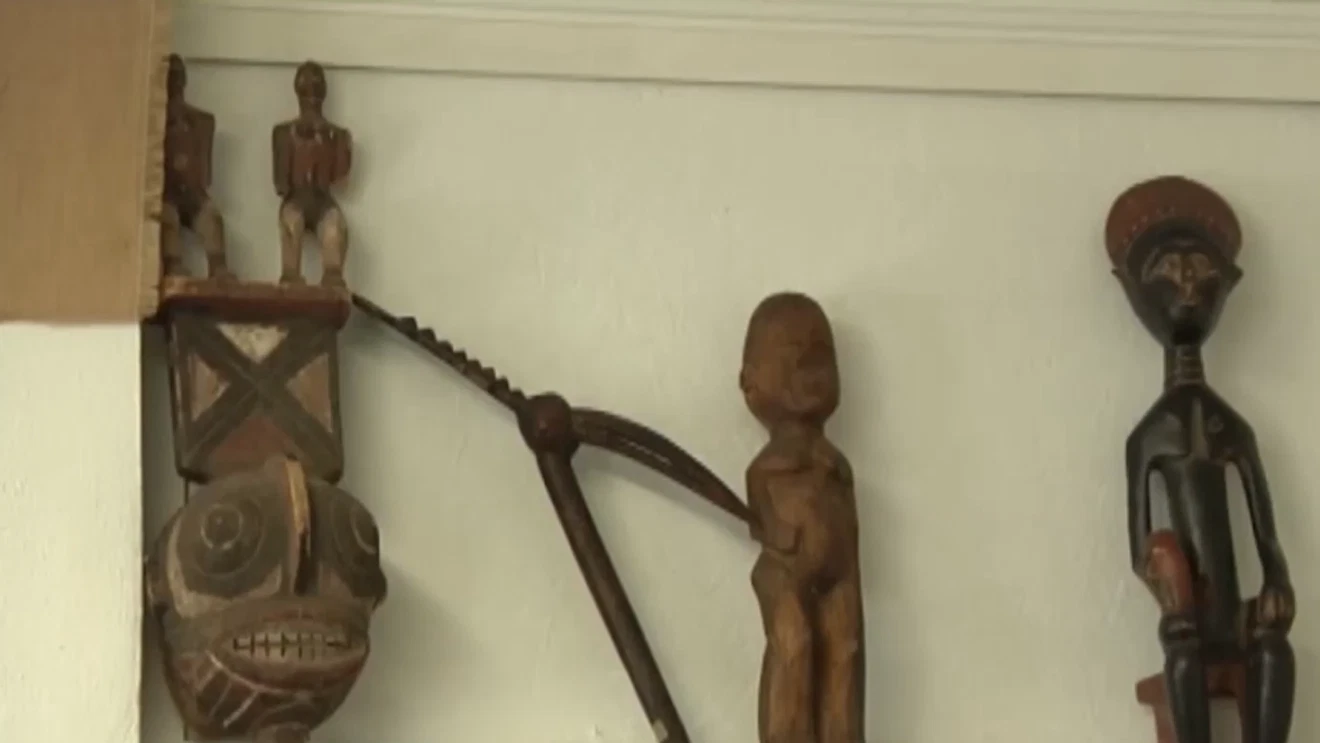
Much of the Gullah Geechee African cultural heritage has been retained in the Carolinas, but beyond the artifacts and sweet grass baskets, their history and culture lives on — through people like Daise.
I do what I do cause I Gullah Geechee! I been doing that for a long time,” Daise said.
Daise is hosting two presentations next month at Brookgreen Gardens that explore the Gullah language and culture. Go here for more information.
