




Black Travelers: Explore Culture, Adventure & Connection
- Lawsuit filed in August 2025 by Marc Brenman and Aviva Copaken; amended complaint added three additional plaintiffs.
- Plaintiffs seek a nationwide class of customers who paid money, used miles, or surrendered benefits to select seats labeled window seats without windows.
- United Airlines argued its contract of carriage did not promise an exterior view and urged federal preemption under the Airline Deregulation Act.
- Individual claims include refunds, a credited 7,500 MileagePlus miles, and alleged seat-selection fees ranging from $45.99 to $169.99.
- Plaintiffs say some Boeing 737, Airbus A321, and Boeing 757 configurations have wall-adjacent windowless seats; similar proposed action targets Delta Air Lines.
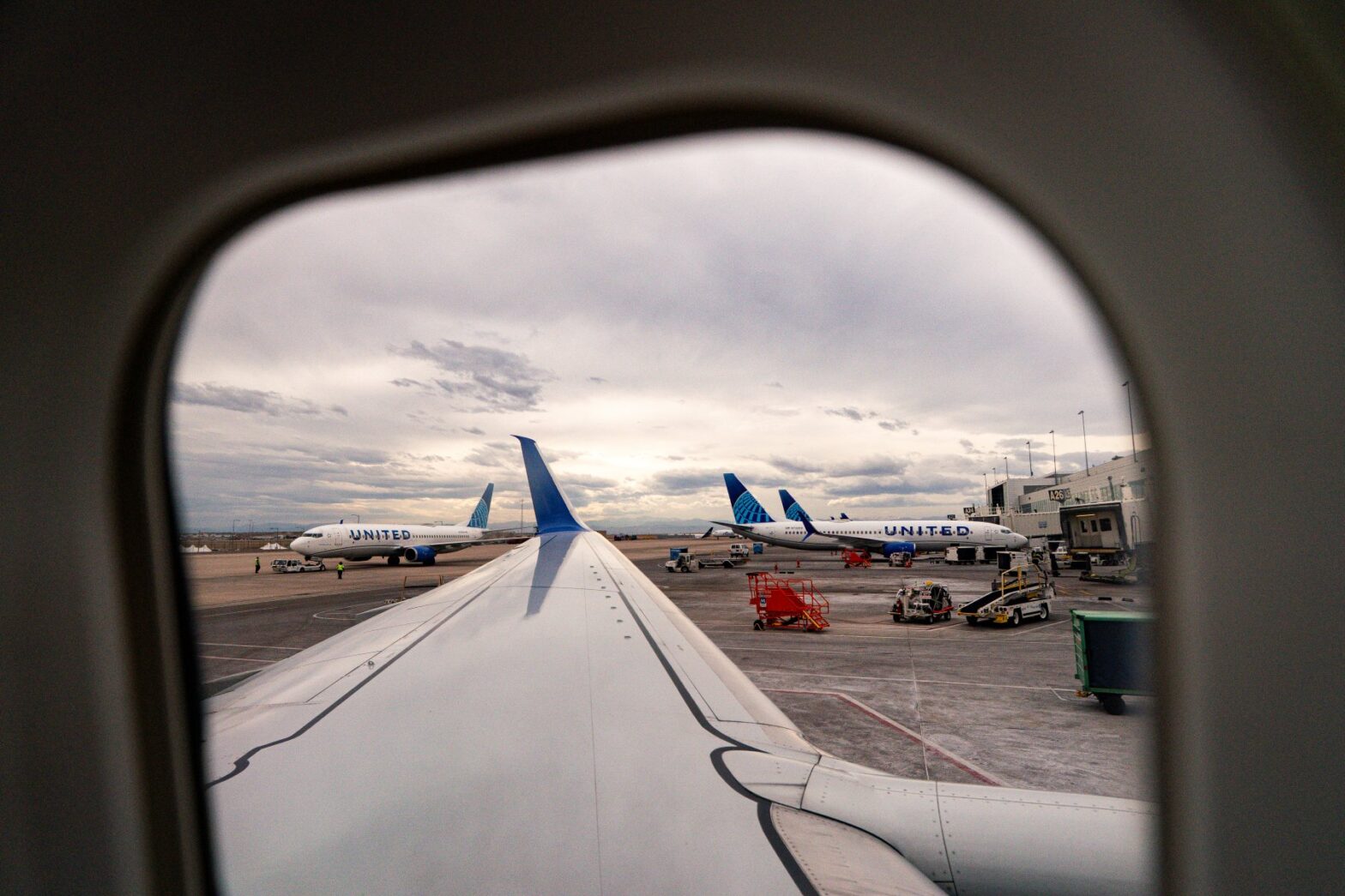
A federal judge has allowed a proposed class-action lawsuit against United Airlines to continue after passengers accused the carrier of charging them for “window seats” that had no windows. U.S. District Judge James Donato denied United’s motion to dismiss the case on July 6, 2026, finding that the plaintiffs had plausibly alleged breach-of-contract claims. The dispute concerns wall-adjacent seats on certain aircraft where air-conditioning ducts and other operating components occupy the space normally used for a window.
United argued that the term “window seat” refers to a seat positioned beside the cabin wall and away from the aisle, rather than a guarantee of an outside view. Donato found that the airline’s reservation screens, boarding passes, and ticketing terms could support the passengers’ claim that United agreed to provide an actual window seat. The ruling allows the case to proceed but does not determine whether United violated its contracts, certify the proposed class, or award damages, according to ABC News.
Why The United Airlines Window Seat Lawsuit Is Moving Forward
Marc Brenman and Aviva Copaken originally filed the lawsuit in the U.S. District Court for the Northern District of California in August 2025. The federal case docket shows that an amended complaint filed in October added Sean Minyard, Robert Monroe, and Cindy Pawlowski as plaintiffs. The passengers seek to represent a nationwide class of United customers who allegedly paid money, used miles, or gave up other benefits to select window seats that lacked windows.
United asked the court to dismiss the claims, arguing that its contract of carriage never promised passengers an exterior view. The airline also argued that the federal Airline Deregulation Act preempted the state-law claims. Donato rejected those arguments at this stage of the case. Reuters reported that the judge found United’s ticketing terms, boarding passes, and reservation screens expressly identified the purchased seats as window seats.
The judge concluded that the allegations were sufficient for the breach-of-contract claims to continue. His decision addresses whether the plaintiffs presented a legally plausible case. The passengers must still prove their allegations as the litigation advances. The court has yet to decide whether the case qualifies for class-action status.
United declined to comment on the lawsuit. The airline said it had added more detail to its seat-selection process so customers could better understand what to expect when choosing a seat.
What Passengers Say They Paid For Windowless Seats
The original complaint alleges that Copaken purchased window seats for three United flights departing from Los Angeles in May 2025. She allegedly paid between $45.99 and $169.99 to select each seat and found a solid wall beside her after boarding. United refunded the seat-selection fees for two flights but had not refunded the third at the time the complaint was filed.
Brenman alleges that he used points and travel benefits to reserve a window seat on a flight from San Francisco to Washington, D.C. After he complained that the seat lacked a window, United credited him with 7,500 MileagePlus miles, according to the filing. The complaint maintains that the compensation did not fully reflect the value of the benefits he used to choose the seat.
The plaintiffs allege that some Boeing 737 and Airbus A321 configurations include wall-adjacent seats without windows because air-conditioning ducts, electrical conduits, or other interior components occupy the space where a window would normally appear. The lawsuits filed against United and Delta Air Lines in August 2025 also identified Boeing 757 aircraft. The passengers say the airlines failed to clearly flag the missing windows during booking, while continuing to label the seats as window seats.
A similar proposed class action against Delta remains pending in federal court in Brooklyn, New York. Delta has asked the court to dismiss that case. The United lawsuit will now continue in federal court.
See the full story on the original site
