




Aging Well: News & Insights for Seniors and Caregivers
- Look for signs of autism: preference for predictable routines, sensory sensitivities, social communication differences, and intense focused interests.
- A late diagnosis can be emotional and empowering, offering explanations for lifelong challenges and guiding appropriate supports.
- Differentiate autism from dementia by consulting qualified providers; autism is lifelong, while dementia involves later cognitive decline.
- Caregivers should maintain consistent routines, communicate clearly, respect sensory needs, encourage meaningful activities, and support independence.
Autism spectrum disorder (ASD) is often associated with children, but autism does not disappear with age. In fact, many people are reaching their senior years without ever receiving a diagnosis. As awareness of autism grows, more families are discovering that an aging parent or older loved one may have spent decades navigating life with undiagnosed autism.
Understanding autism in older adults can help families provide better support, improve communication, and ensure their loved ones receive appropriate care. Whether an individual was diagnosed earlier in life or is receiving a late diagnosis of autism, recognizing their unique needs can significantly improve quality of life.
Why Autism in Older Adults Is Often Overlooked
Many of today’s seniors grew up during a time when autism was not widely understood. Diagnostic criteria were much narrower, and healthcare professionals often missed autism symptoms in older adults who learned to adapt to social expectations.
As a result, many elderly adults with autism never received a formal diagnosis. Instead, they may have been described as:
- Shy or socially awkward
- Extremely independent
- Rigid in their routines
- Sensitive to noise or change
- Highly focused on specific interests
These autism traits in older adults were often misunderstood or dismissed as personality quirks.
Today, healthcare providers are recognizing that many older adults with autism spectrum disorder have spent decades masking their symptoms, making a diagnosis more difficult later in life.
Why Many Older Women Were Never Diagnosed
When discussing undiagnosed autism in adults, it’s important to recognize that many older women were overlooked entirely.
Historically, autism research focused primarily on boys and men. As a result, many girls learned to mask their autism traits by observing others, mimicking social behaviors, and developing coping strategies that made their challenges less visible.
Some women spend decades feeling different from their peers, struggling with sensory sensitivities, or relying heavily on routines without realizing these experiences may be connected to autism spectrum disorder. In some cases, a child or grandchild’s diagnosis prompts them to seek answers for themselves.
Today, growing awareness is helping healthcare providers better recognize autism in older adults, including women who may have gone undiagnosed for most of their lives.
Can Someone Be Diagnosed with Autism Later in Life?
A person can receive an autism diagnosis in older adulthood, even in their 60s, 70s, or beyond.
A late diagnosis of autism can be both emotional and empowering. For some individuals, it finally provides an explanation for lifelong challenges involving social interactions, communication, sensory sensitivities, or maintaining relationships.
Families may also gain valuable insight into behaviors they have observed for years.
Common reasons older adults seek an autism diagnosis include:
- Increased awareness of autism and aging
- Recommendations from healthcare providers
- Similar diagnoses among children or grandchildren
- Changes in support needs during retirement
- Concerns about cognitive decline that lead to further evaluation
While not every older adult chooses to pursue a formal diagnosis, understanding the possibility of undiagnosed autism in adults can help families better understand their loved one’s experiences.
What Are the Signs of Autism in Older Adults?
The signs of autism in older adults can vary significantly from person to person. Some seniors require substantial support, while others have lived independently for decades.
Common autism symptoms in older adults may include:
- Preferring Predictable Routines: Many older adults with autism thrive on structure and consistency. Unexpected changes to schedules, caregivers, meals, or appointments may cause significant stress.
- Experiencing Sensory Sensitivities: Bright lights, loud noises, crowded environments, or certain textures may feel overwhelming. Sensory challenges can become even more noticeable as people age.
- Having Difficulty with Social Communication: Some seniors may struggle to interpret social cues, maintain conversations, or understand sarcasm and implied meanings.
- Developing Deep Interests: Many autistic adults have lifelong interests or hobbies that they pursue with remarkable dedication and expertise.
- Finding Change Difficult: Major life transitions such as retirement, moving, losing a spouse, or health changes may be especially challenging for aging adults with autism.
It’s important to remember that these characteristics alone do not confirm autism. However, recognizing these autism traits in older adults may help families identify when further evaluation could be beneficial.
How Does Autism Affect Seniors?
The effects of autism and aging are still being studied, but researchers are learning more about the unique experiences of older adults on the autism spectrum.
Some challenges that autistic seniors may face include:
- Increased social isolation
- Difficulty accessing healthcare services
- Challenges advocating for their needs
- Anxiety related to changes in routine
- Greater dependence on caregivers as health needs increase
At the same time, many seniors with autism possess remarkable strengths, including attention to detail, honesty, loyalty, strong memory for specific topics, and deep commitment to personal interests.
Understanding both the challenges and strengths of autism in seniors helps families provide more person-centered support.
Autism vs. Dementia: Understanding the Differences
One common concern among families is whether autism symptoms are being mistaken for dementia.
Autism and dementia are very different conditions, but some overlapping behaviors can create confusion.
For example, both autism and Alzheimer’s disease may involve:
- Social withdrawal
- Communication difficulties
- Changes in daily functioning
- Increased dependence on others
Adults with autism may also have some cognitive impairments. However, autism is a lifelong neurodevelopmental condition, while dementia involves a decline in cognitive abilities that develops later in life.
In some cases, healthcare professionals may need to carefully evaluate whether changes are related to autism, dementia, or another medical condition.
Because autism and dementia can be difficult to distinguish, families should consult qualified healthcare providers whenever they notice significant cognitive or behavioral changes.
How Can Caregivers Support Older Adults with Autism?
Providing senior care for adults with autism often requires flexibility, patience, and a personalized approach.
- Maintaining Consistent Routines: Predictability can reduce anxiety and help older adults feel more secure. Whenever possible, keep schedules, meal times, and caregiving routines consistent.
- Communicating Clearly: Use direct language and avoid vague instructions. Some autistic adults process information more effectively when expectations are stated clearly.
- Respecting Sensory Needs: Pay attention to environmental factors that may cause discomfort. Reducing noise, minimizing clutter, or adjusting lighting can make daily life more comfortable.
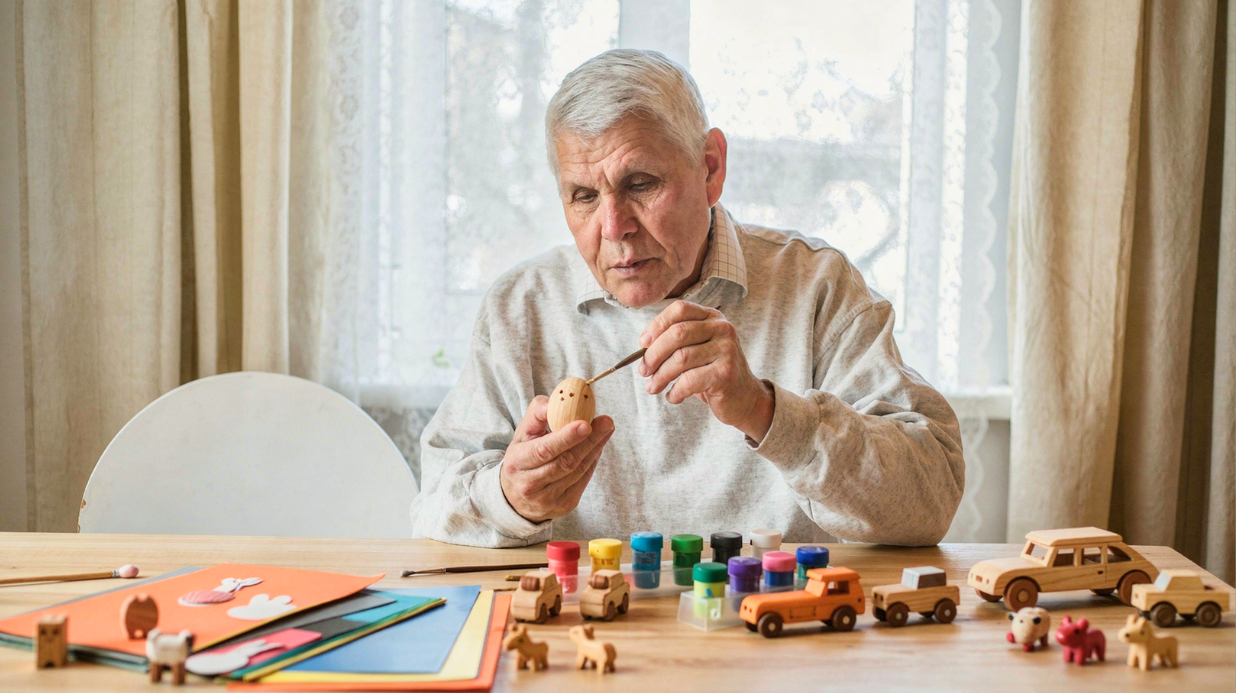
- Encouraging Meaningful Activities: Support hobbies and interests that bring joy and engagement. Familiar activities can provide comfort while promoting emotional well-being.
- Supporting Independence: Even when assistance is needed, allowing older adults to make choices and maintain control over daily decisions can preserve dignity and confidence.
These autism caregiving tips can help strengthen relationships while improving quality of life for both seniors and their families.
When Home Care Can Help
As care needs increase, families may wonder whether professional support is appropriate.
Home care can be especially beneficial for older adults with autism who wish to remain in familiar surroundings. Aging in place often allows autistic seniors to maintain the routines, environments, and comforts that are important to them.
Professional caregivers can assist with:
- Meal preparation
- Transportation
- Medication reminders
- Household tasks
- Companionship
- Personal care support
The right caregiver can also help families create a more structured and supportive environment while respecting the individual’s unique preferences and routines.
Supporting Aging Loved Ones with Autism
As awareness grows, more families are recognizing autism in older adults and gaining a deeper understanding of behaviors that may have been misunderstood for years.
Whether a loved one has autism spectrum disorder in older adulthood, receives a late diagnosis of autism, or has lived with an established diagnosis for decades, compassionate support can make a meaningful difference.
By learning about autism and aging, families can better advocate for their loved ones, strengthen relationships, and help older adults maintain independence, dignity, and quality of life as they age.
Read the full article on the original source
