




Food & Beverage News: Insights, Safety, and Dining Trends
- Keep the cookout relaxed while offering simple options so kids can step back, join slowly, or take breaks without being singled out.
- Share the shape of the day: rough timings, louder activities, and delays so families and kids can prepare and adjust.
- Provide a ready calm place plus simple, flexible food options so children can take breaks and choose what feels comfortable.
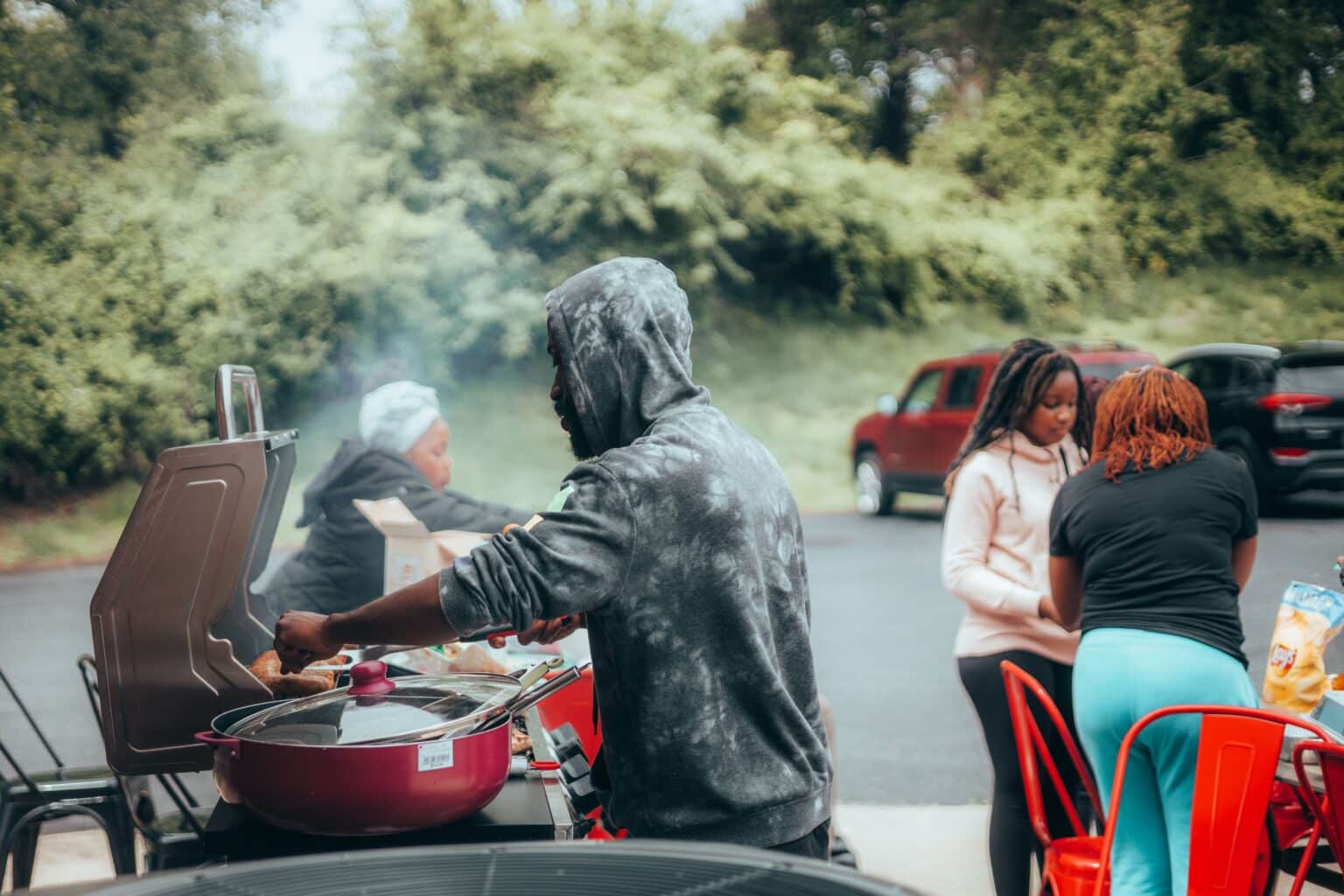
Family cookouts have a language all their own. Music spills from the speakers, smoke rises from the grill, cousins run through the yard, and somebody’s uncle is standing watch over the ribs like he signed a contract.
A Black family cookout is about more than food. It is fellowship, memory, culture, and connection served with a side of potato salad and a whole lot of laughter.
For kids, though, even the best cookout can feel like a lot. The same energy that makes the day special can also bring loud sounds, crowded spaces, unfamiliar foods, long waits, and sudden changes. Some children run right into the fun. Others need a little time, space, or structure before they are ready to enjoy it.
That is why making a family cookout welcoming for kids matters. It does not mean turning down the joy of the gathering. It means making small choices that help more children feel comfortable enough to be part of it.
Keep the Cookout Feeling Like a Cookout
A family cookout should still feel like a traditional cookout. It should have music, laughter, people talking over each other, kids asking for another plate before they finish the first one, and at least one person who arrives late with the dish everyone has been waiting for.
The goal is not to make the day quiet, formal, or overly planned. The goal is to create options. A child should be able to sit away from the loudest speaker without being treated like they are being rude. They should be able to take a break from a game without everyone asking what is wrong. They should be able to ease into the day instead of being pushed into every hug, photo, and activity at once.
Thoughtful hosting is not about singling kids out. It is about making comfort feel normal.
Share the Shape of the Day
Cookouts are relaxed by nature, but kids often do better when they know the general flow. Hosts do not need a printed schedule or a strict timeline. A simple heads-up is usually enough: food around two, games after everyone eats, dessert later in the afternoon, and fireworks or louder music in the evening if those are part of the plan.
Parents can talk through that rhythm before they arrive, and hosts can help by sharing the basics early. If food is running behind, say so. If the kids are about to gather for an activity, give them a few minutes of warning. If the music is about to get louder, let families know before it happens.
For a family cookout planned around the holidays, hosts can create a calmer holiday routine by sharing the meal plan early, offering a quiet place to reset, and keeping a familiar snack or activity nearby.
That small bit of predictability can make the whole day easier for children who feel overwhelmed by sudden changes.
Set Up a Calm Place Before It Is Needed
Every family cookout has a natural center of activity. It might be the grill, the card table, the music, the food line, or wherever the best stories are being told. Kids who enjoy the action can stay right in the middle of it. Others may need somewhere to step away.
A calm spot does not have to be elaborate. It can be a shaded chair on the porch, a blanket under a tree, a seat inside near a window, or a quiet corner with water and a simple activity. The best time to create that space is before anyone needs it.
Try not to frame it as a punishment or a “timeout” area. It is simply a place to take a breather. Adults may end up using it too. At a long family gathering, everyone benefits from a spot where they can pause for a minute.
Hosts can also be mindful of where they place speakers, coolers, trash bins, and kids’ activities. A child who needs a break should not have to sit beside the loudest part of the party or in the path of everyone walking back and forth from the grill.
Let the Plate Stay Flexible
Food is the heart of any family cookout, but not every child approaches food the same way. Some kids are adventurous and want to try every side on the table. Others are cautious with unfamiliar textures, sauces, spices, or mixed dishes. A child who avoids a certain food is not necessarily being difficult. Sometimes they are simply trying to stay comfortable.
Hosts can make the meal easier without changing the entire menu. Keep sauces on the side when possible. Offer at least one simple, familiar option, such as fruit, bread, plain rice, grilled chicken, chips, or another easy side. Let kids build their own plates when it makes sense. Avoid turning food choices into a public conversation.
This does not mean every dish has to be adjusted for every preference. It simply means giving children a little more control over what goes on their plate. That control can help them stay at the table longer and enjoy the people around them.
Offer Kids Low-Pressure Ways to Join In
Not every child wants to be in the center of the dancing, games, or group photos. Some kids would rather help behind the scenes. Some want to watch before joining. Some may be having a great time even if they are quieter than everyone else.
A family cookout gives children different ways to participate. One child might help pass out napkins. Another might stir lemonade, decorate cookies, pick a song, carry paper plates to the table, or help younger cousins choose a snack. Small roles can make children feel included without putting them on display.
The same idea works for games and activities. Instead of requiring every child to play, offer choices. A child can keep score, cheer for a team, help set up, or take a break and come back later. Participation does not have to look the same for everyone to be meaningful.
Set the Tone for the Grownups
Sometimes the biggest adjustment is not for the children. It is for the adults.
Well-meaning relatives may pressure kids to hug them, eat more, speak up, join the game, or “stop being shy.” At a family gathering, those comments often come from a place of love, but they can make children feel watched or overwhelmed.
A big part of making a family cookout welcoming for kids requires getting the grownups on board. A host can set the tone early by reminding family members that children may need space, may not want to be touched right away, or may need time before joining activities. Encourage adults to offer options instead of demands. “Do you want to sit with us or take a break?” is easier for a child to answer than “Why aren’t you playing?”
That same spirit behind good family reunion etiquette applies here: communicate early, respect people’s comfort levels, and make it easy for relatives to enjoy the day in their own way.
A Cookout Where Everyone Belongs
The best family cookouts are remembered for how they made people feel. The food matters. The music matters. The traditions matter. So does the child who felt safe enough to stay a little longer, try one new bite, laugh with their cousins, or sit near the grownups without feeling overwhelmed.
A family cookout does not have to be perfect. It just has to make room for everyone who’s there.
With a little planning, hosts can keep the joy, flavor, and familiar rhythm of the day while making sure more children feel like they belong at the table.
Read the full article from the original source
