




Voices, Votes & Vision: The Latest in Politics & Public Policy
- Judge imposed a harsher sentence than jury recommended, prompting debates about judicial discretion and a likely appeal by Diddy's legal team.
- Case reignited concerns about justice for Black women: underrepresentation, trust deficits, and calls for greater diversity in the legal system.
- Signals demand for celebrity accountability, scrutiny of media influence, and renewed calls for legal reform.
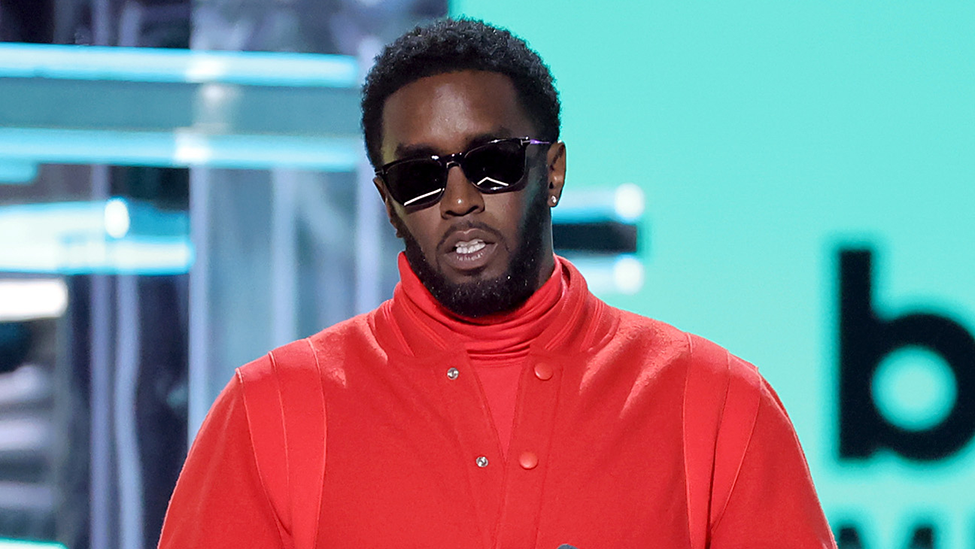
[Photo: Amy Sussman/Getty Images for MRC]
The entertainment world was rocked when Sean Combs, known to many as “Diddy,” was sentenced to four years in prison. This verdict has sparked extensive discussions, not only about the case itself but also about its wider implications, especially in relation to justice and representation. In this article, we’ll delve into the details of the verdict, explore the reactions, and consider what this means for Black women and the broader community.
Sean Combs, a prominent figure in the music industry, was handed a four-year prison sentence following a high-profile trial. The charges centered on allegations that have been under public scrutiny for some time. The jury’s decision was clear, but it was the judge’s actions during sentencing that have raised eyebrows.
The Charges and Trial Details
The allegations against Diddy were grave and caught the public’s attention early on. They involved complex legal issues that required careful consideration by both the defense and prosecution. During the trial, testimonies and evidence presented painted a picture that was both intricate and contentious. The proceedings were closely followed by media outlets, adding pressure to all parties involved.
Judge’s Controversial Actions
The judge’s role in the sentencing has been a focal point of controversy. Critics argue that the judge imposed a sentence that exceeded the jury’s recommendations, sparking debates about judicial overreach. Legal experts have weighed in, analyzing whether the judge’s decision was influenced by external factors such as media coverage or public sentiment. This has led to broader discussions about the limits of judicial discretion in high-profile cases.
Jury’s Decision and Public Perception
The jury’s verdict was unanimous, yet the sentencing seemed to diverge from their intentions. Public perception of the jury’s role has varied, with some viewing their decision as a reflection of a fair trial, while others question whether they were swayed by the celebrity status of the defendant. The deliberation process and how jurors arrived at their decision have been dissected by legal analysts and the general public alike.
Legal Team’s Critique
Diddy’s legal team has been vocal about their dissatisfaction with the sentencing process. They have accused the judge of ignoring the jury’s verdict, suggesting that the sentence handed down was harsher than what the jury’s decision warranted. This has sparked a debate about judicial discretion and fairness in the legal system.
Defense Strategies and Appeals
The defense team has indicated plans to appeal the sentence, arguing that it was unjust and disproportionate. They have outlined several grounds for appeal, focusing on procedural errors and potential biases during the trial. Their strategy includes questioning the admissibility of certain evidence and calling for a re-evaluation of witness testimonies. This legal battle is expected to be lengthy, with significant implications for Diddy’s future.
Public Reaction
The public reaction to Diddy’s prison sentence has been mixed. Fans and fellow artists have expressed their support for Diddy, while others have seen the verdict as a necessary step in ensuring accountability, regardless of celebrity status. Social media platforms have been abuzz with opinions, highlighting the diverse viewpoints within the community.
Celebrity Support and Backlash
Numerous celebrities have rallied behind Diddy, expressing their belief in his character and questioning the fairness of the trial. Public statements and social media posts from well-known figures have added a layer of complexity to the public discourse. However, this support has also attracted backlash from those who argue that fame should not shield individuals from facing the consequences of their actions.
Social Media Influence
Social media has played a pivotal role in shaping public opinion on the case. Platforms like Twitter and Instagram have become battlegrounds for debates, with hashtags trending and users sharing their perspectives. The immediacy of social media has amplified voices both in support of and against Diddy, highlighting the power of digital platforms in influencing public sentiment.
Community Divisions
The case has underscored existing divisions within the community. While some view the verdict as a victory for justice, others see it as an example of systemic bias against Black men. These differing viewpoints have led to heated discussions and, in some cases, protests. The divisions are reflective of broader societal issues, including racial inequality and the treatment of minorities within the legal system.
What It Means for Black Women
The verdict and subsequent sentencing have also prompted discussions about what this means for Black women. Historically, Black women have faced significant challenges in the legal system, often feeling underrepresented and marginalized. Diddy’s case has brought these issues to the forefront once again.
Historical Context and Challenges
Black women have long navigated a legal system that often overlooks their unique struggles. Historical injustices have left a lasting impact, and cases like Diddy’s bring these issues to light once more. The intersection of race and gender presents additional hurdles, making it crucial to understand the systemic barriers Black women face in seeking justice.
Representation in the Legal System
One of the key concerns is the representation of Black women within the legal system. The verdict has reignited conversations about the need for more diversity among legal professionals and decision-makers. Many argue that increased representation can lead to more equitable outcomes.
Efforts to Increase Diversity
There are ongoing efforts to address the lack of diversity in the legal profession. Initiatives aimed at recruiting and retaining Black women in law schools and firms are gaining momentum. These efforts are seen as essential in creating a legal landscape that better reflects the diversity of the population it serves. Mentorship programs and scholarships are also being highlighted as tools to empower the next generation of Black female legal professionals.
Trust and Accountability
The case also touches on issues of trust and accountability. For many Black women, seeing a high-profile figure like Diddy face legal consequences can be both a source of hope and skepticism. It raises questions about whether the legal system is truly impartial and capable of delivering justice for all, regardless of race or gender.
Community Perspective on Justice
Community leaders have emphasized the importance of maintaining trust in the legal system while advocating for accountability. This involves recognizing the systemic issues that contribute to skepticism and working towards transparency and fairness. Building trust requires ongoing dialogue and a commitment to addressing the concerns of marginalized communities.
Advocacy and Activism
Activists and advocacy groups have used Diddy’s case as a platform to push for broader reforms. They argue that the case highlights the urgent need for systemic change and are calling for policy revisions that promote equity and justice. These groups are leveraging public attention to amplify their message and drive momentum for lasting change.
The Broader Implications
Beyond the immediate reactions, Diddy’s prison sentence has broader implications for the entertainment industry and society as a whole. It serves as a reminder that fame does not exempt individuals from facing the consequences of their actions.
Celebrity Accountability
The case highlights the importance of holding celebrities accountable for their actions. It challenges the notion that public figures can operate above the law, emphasizing that everyone must adhere to the same legal standards.
Impact on the Entertainment Industry
The verdict has sent ripples through the entertainment industry, prompting discussions about how celebrities are treated by the legal system. Industry insiders are considering the potential changes in how contracts and public relations strategies are handled in light of increased scrutiny. This case may lead to a reevaluation of the perks and privileges often afforded to high-profile individuals.
The Role of the Media
The media’s role in shaping public perception cannot be overlooked. Coverage of Diddy’s trial and sentencing has varied widely, with some outlets focusing on the legal aspects and others highlighting the personal stories of those involved. This diversity in coverage underscores the media’s power to influence public opinion and the importance of balanced reporting.
Media Bias and Influence
Critics have pointed out instances of bias in media coverage, arguing that certain outlets have either sensationalized or downplayed aspects of the case. This has sparked conversations about the responsibility of media organizations to provide accurate and unbiased reporting. The influence of media narratives on public perception and the judicial process is being closely examined by media watchdogs and scholars alike.
Societal Reflections
The case has prompted society to reflect on broader issues of justice, equality, and accountability. It serves as a catalyst for discussions about the values that underpin the legal system and how they align with contemporary societal norms. These reflections are essential for fostering an environment where justice is accessible and equitable for all individuals.
Moving Forward
As the dust settles on Diddy’s sentencing, the focus now shifts to the future. The case has sparked important conversations about justice, representation, and accountability. It serves as a catalyst for change, prompting individuals and institutions to reflect on their roles in promoting fairness and equality.
Calls for Reform
The discussions surrounding Diddy’s case have led to calls for reform within the legal system. Advocates are pushing for changes that address systemic biases and promote greater diversity among judges, lawyers, and juries. These reforms aim to create a more just and equitable system for all.
Legal System Overhaul
Proposals for reform include revisiting sentencing guidelines to reduce disparities and introducing training programs for legal professionals on implicit bias. Advocates are also calling for increased transparency in judicial proceedings to build public trust. These changes are seen as essential steps in creating a fairer and more inclusive legal landscape.
Community Support
In the aftermath of the verdict, community support has been crucial. Various organizations and advocacy groups have rallied to provide support for those affected by the case, particularly Black women who feel marginalized by the legal system. These efforts highlight the importance of solidarity and collective action in the pursuit of justice.
Building Networks and Resources
Community organizations are working to build networks that offer resources and support for individuals navigating the legal system. This includes providing legal assistance, mental health support, and educational workshops. By empowering communities with knowledge and resources, these efforts aim to reduce barriers and promote access to justice.
Ongoing Dialogue and Education
The case has underscored the need for ongoing dialogue and education about justice and representation. Educational initiatives are being developed to raise awareness about systemic issues and promote understanding and empathy among diverse groups. These initiatives are critical in fostering a society that values equity and justice for all its members.
Fairly and Equitably
The Sean Combs Diddy prison sentence is more than just a high-profile legal case. It is a reflection of broader societal issues that require attention and action. As discussions continue, it is essential to keep the focus on justice, representation, and accountability, ensuring that the legal system serves all individuals fairly and equitably. In doing so, we can work towards a future where everyone, regardless of their background, can trust and rely on the justice system to deliver fair outcomes.
Read the full article on the original site
