




From Hollywood to Home: Black Voices in Entertainment
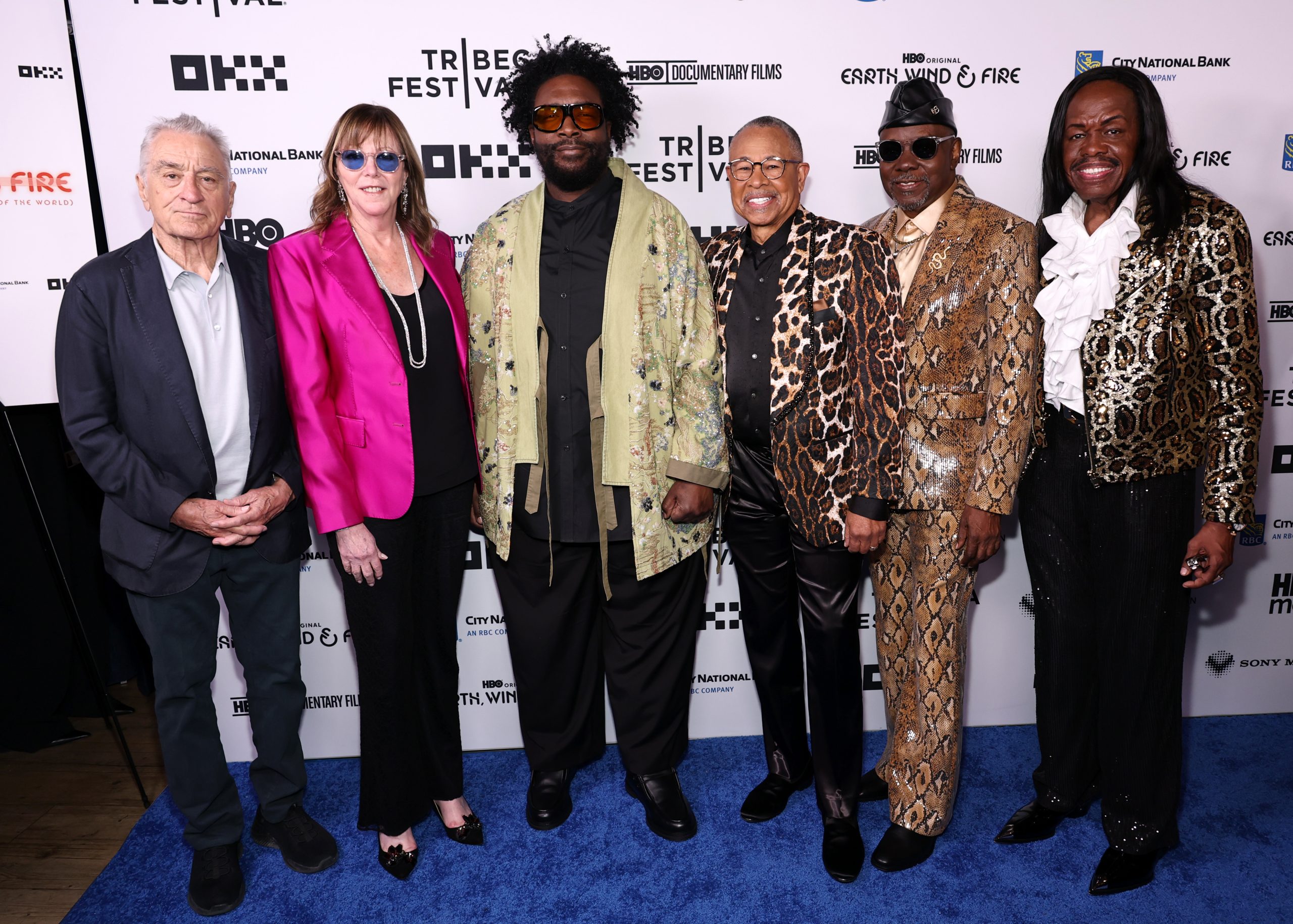
- Questlove's new documentary premiered at the Tribeca Festival with a live set by Earth, Wind & Fire and The Roots.
- The film mines never-before-seen archives to examine Earth, Wind & Fire's musicianship, spirituality, and Maurice White's relentless pursuit of innovation.
- More than nostalgia, Questlove's HBO film celebrates joy, dynamic live instrumentation, and the band's cross-generational cultural influence through star-studded interviews.
There are certain artists whose music becomes bigger than their albums or radio hits. Their songs are part of our family traditions. They are road trip soundtracks, cookout anthems, wedding staples, and little emotional time capsules tied to entire eras of our life and culture. For generations, Earth, Wind & Fire has been that kind of group.
This year, the Tribeca Festival opened in electrifying fashion with Earth, Wind & Fire: To Be Celestial vs. That’s the Weight of the World, a dynamic new documentary directed by Academy Award-winning filmmaker, musician, and cultural historian Questlove. The highly anticipated film premiered June 3 at New York City’s Beacon Theatre and was followed by a live performance from Earth, Wind & Fire and The Roots.
Few filmmakers working today are better suited to tell this story than Ahmir “Questlove” Thompson.
Over the last several years, Questlove has emerged as one of the most thoughtful and visionary music documentarians of this generation. His Academy Award-winning Summer of Soul resurrected the long-overlooked Harlem Cultural Festival of 1969 with emotional depth and cultural precision, while his acclaimed Sly Lives! (aka The Burden of Black Genius) explored the brilliance and complexities of Sly Stone and the pressures often placed upon Black creative pioneers.
Now, with Earth, Wind & Fire: To Be Celestial vs. That’s the Weight of the World, Questlove turns his lens toward another groundbreaking group whose soulful sound and exuberant artistry transformed popular music while inspiring generations around the globe.
Founded by visionary bandleader Maurice White, Earth, Wind & Fire created a musical universe all their own — blending jazz, funk, soul, R&B, Afrocentric rhythms, spirituality, disco, rock, and orchestral arrangements into a rich and instantly recognizable sound. At a time when America was navigating the aftermath of the Civil Rights Movement, Black empowerment movements, political unrest, and social transformation, Earth, Wind & Fire offered joy, spirituality, possibility and good music to dance to.
Songs like “September,” “Fantasy,” “Shining Star,” and “Reasons” radiated warmth and optimism during a turbulent decade. Their vibrant harmonies, soaring horn sections, layered live instrumentation, and uplifting lyrics brought people together across race, generation, and geography. In Black households especially, Earth, Wind & Fire became the soundtrack to birthday parties, summer afternoons, family reunions, and celebrations both big and small.

And then there were the live shows. Long before arena tours became dominated by screens and digital effects, Earth, Wind & Fire delivered dazzling, larger-than-life performances filled with pyrotechnics, elaborate costumes, theatrical staging, mystical imagery, and extraordinary musicianship. Their concerts were immersive spectacles powered by live bands, intricate arrangements, and undeniable stage presence — a kind of grand-scale ensemble showmanship that feels increasingly rare in today’s music landscape.
Questlove’s documentary embraces all of it: the musicianship, the spirituality, the ambition, the artistry, and the emotional complexities behind the band’s meteoric rise as well as the many issues.
The film’s title itself references the group’s landmark 1975 album That’s the Way of the World, which also served as the soundtrack to the motion picture of the same name also released in 1975.. In the film, Earth, Wind & Fire portrayed fictionalized versions of themselves in a story examining the music industry and exploitative record executives — themes that still resonate powerfully today. While the movie itself struggled commercially, the soundtrack became a cultural phenomenon and elevated the group into superstardom.
Questlove’s documentary, premiering on HBO June 7, draws from never-before-seen archival footage and explores the “deep philosophical and spiritual meaning behind their message and music,” according to the director. The film also traces Maurice White’s relentless pursuit of innovation, creativity, and transcendence, from the the time the band opening for Parliament-Funkadelic, forever influenced by their revolutionary funk sound, to later collaborating with David Foster and evolving their Afrocentric sound into an ’80s pop-soul vibe and beyond.


The film features interviews with Philip Bailey, Verdine White, and Ralph Johnson, alongside appearances from admirers like Barack and Michelle Obama, and artists like Stevie Wonder, Lionel Richie, H.E.R., and Flea.
For audiences who grew up with Earth, Wind & Fire playing through the speakers at home, the documentary promises more than nostalgia. It offers a soulful return to a sound that brought color, imagination and spiritual uplifting to a generation. And for younger viewers raised in the digital age, the film may serve as a reminder of what made groups like Earth, Wind & Fire so extraordinary: masterful musicianship, fearless creativity, dynamic live instrumentation, and music rooted not only in rhythm, but spirituality. Music for the universe, as White put it.
RELATED: The 2023 Tribeca Film Festival List of Winners Includes Many Filmmakers of Color
Most importantly, this documentary appears poised to celebrate something the world could use a little more of right now: joy.
The kind that fills arenas.
The kind that fills living rooms.
The kind that lives forever once the horns kick in
Read the full article on the original site
