




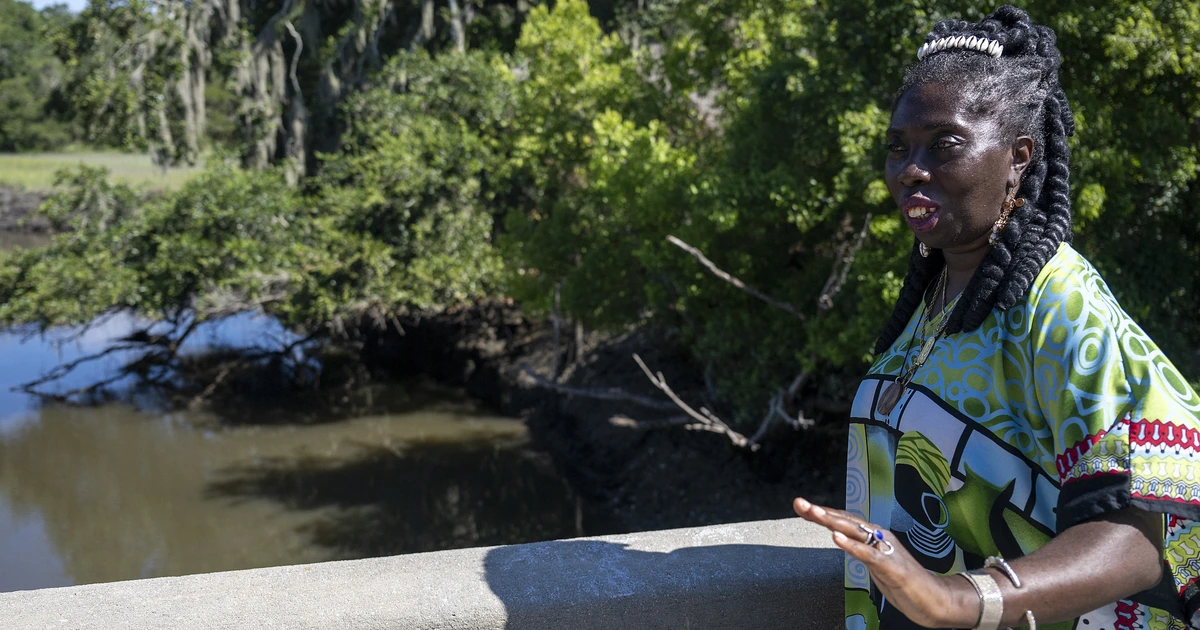
- Visit the International African American Museum to immerse in Gullah Geechee history, exhibits, and locally sourced art.
- Experience culture through film and food: watch Daughters of the Dust and taste Gullah Geechee dishes at Hannibal's Kitchen.
- Support the community: buy a sweetgrass basket, shop Binya, visit Sea Islands and donate to the Gullah Geechee Cultural Heritage Corridor Commission.
Most of us never learned about Gullah Geechee culture in our social studies classes growing up. While this is unfortunate, it doesn’t mean that it is too late to soak up valuable knowledge about this beautiful yet undercelebrated culture. October is Gullah Geechee Heritage Awareness Month so what better time to learn more about the people, places and things that make up the Black American population in the coastal lowlands and barrier islands of North Carolina, South Carolina, Georgia and Florida. Guallah Geechee people have their own distinct dialect, food, traditions and customs.
The Gullah Geechee people are primarily descendants of West Africans who were enslaved on the rice, indigo and Sea Island cotton plantations of the lower Atlantic coast. The nature of their enslavement on isolated island and coastal plantations created an extremely resourceful culture with deep African roots that are clearly visible in the Gullah Geechee people’s distinctive arts, crafts, food, music and language.
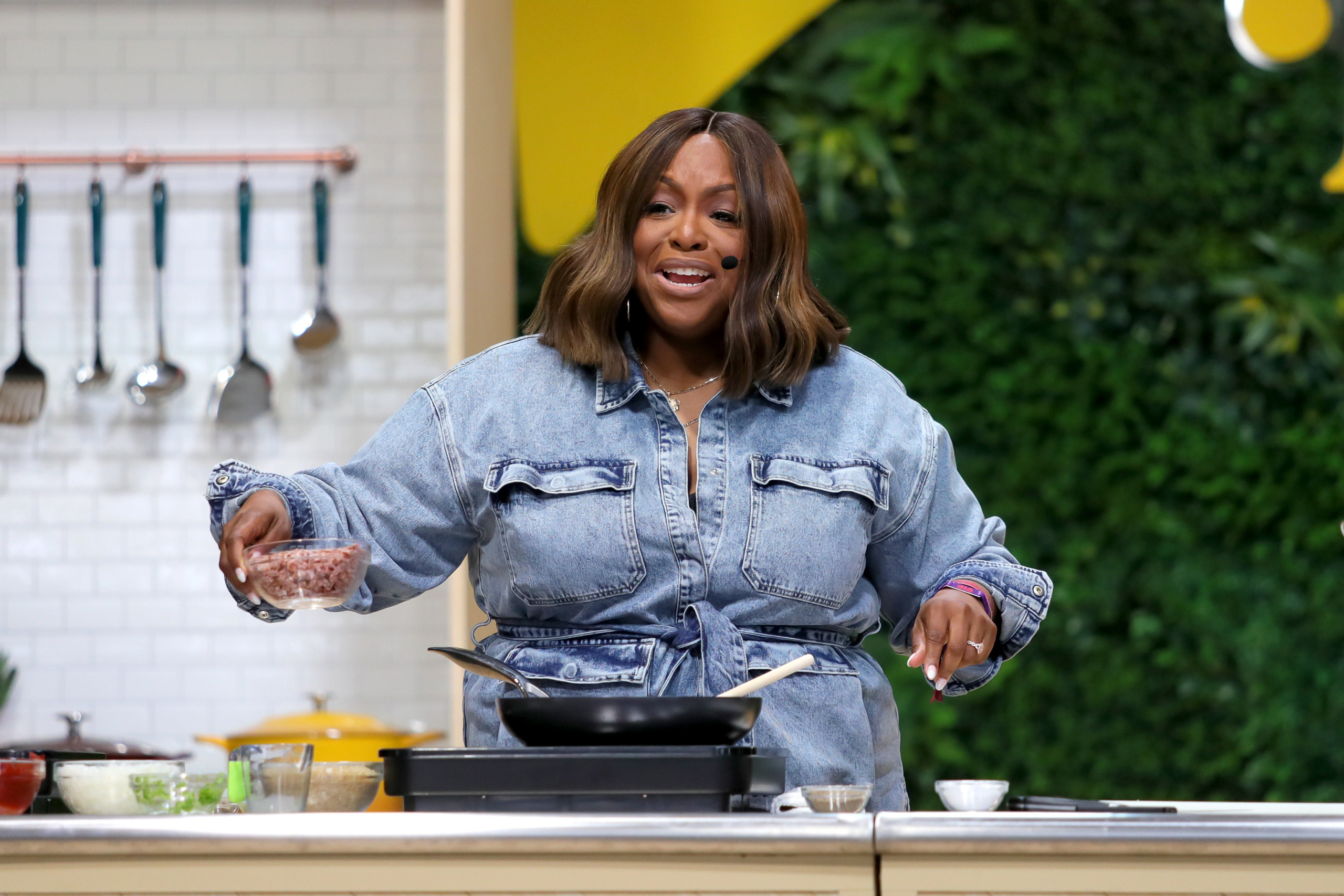
Just last month, Queen Quet, Chieftess of the Gullah/Geechee Nation and Founder of the Gullah/Geechee Sea Island Coalition (pictured above), was honored during Climate Week in New York City as one of the “Mothers of the Environmental Justice Movement” whose lives, leadership and legacies are being preserved by the Environmental Justice Oral History Project. Queen Quet founded the Gullah/Geechee Sea Island Coalition in 1996, creating what became the first organization in the world to carry “Gullah Geechee” in its name. For three decades, she and the Gullah/Geechee Sea Island Coalition have fought to prevent the displacement of Gullah Geechee people from their ancestral Sea Island homeland.
Here are 7 other practical ways to learn more and support about Gullah Geechee culture all year.
VISIT THE INTERNATIONAL AFRICAN AMERICAN MUSEUM
The backstory of this museum’s very location is basically a semester’s worth of American History. The Charleston, South Carolina 38,000-square-foot IAAM facility stands on hallowed ground (Gadsden’s Wharf) where roughly 40% of all enslaved Africans were brought to North America first arrived during the Transatlantic slave trade. Immerse yourself in Gullah Geechee past, present and future through exhibits on the unique culture’s language, culture and enduring African artistic and spiritual roots. In the fully-stocked IAAM Boutique & Gift Shop, you’ll find a refreshed collection of Gullah Geechee art, handcrafted jewelry, books such as Gullah Spirit: The Art of Jonathan Green, apparel, and home goods sourced from local businesses. Get more information about IAMM here.
WATCH DAUGHTERS OF THE DUST
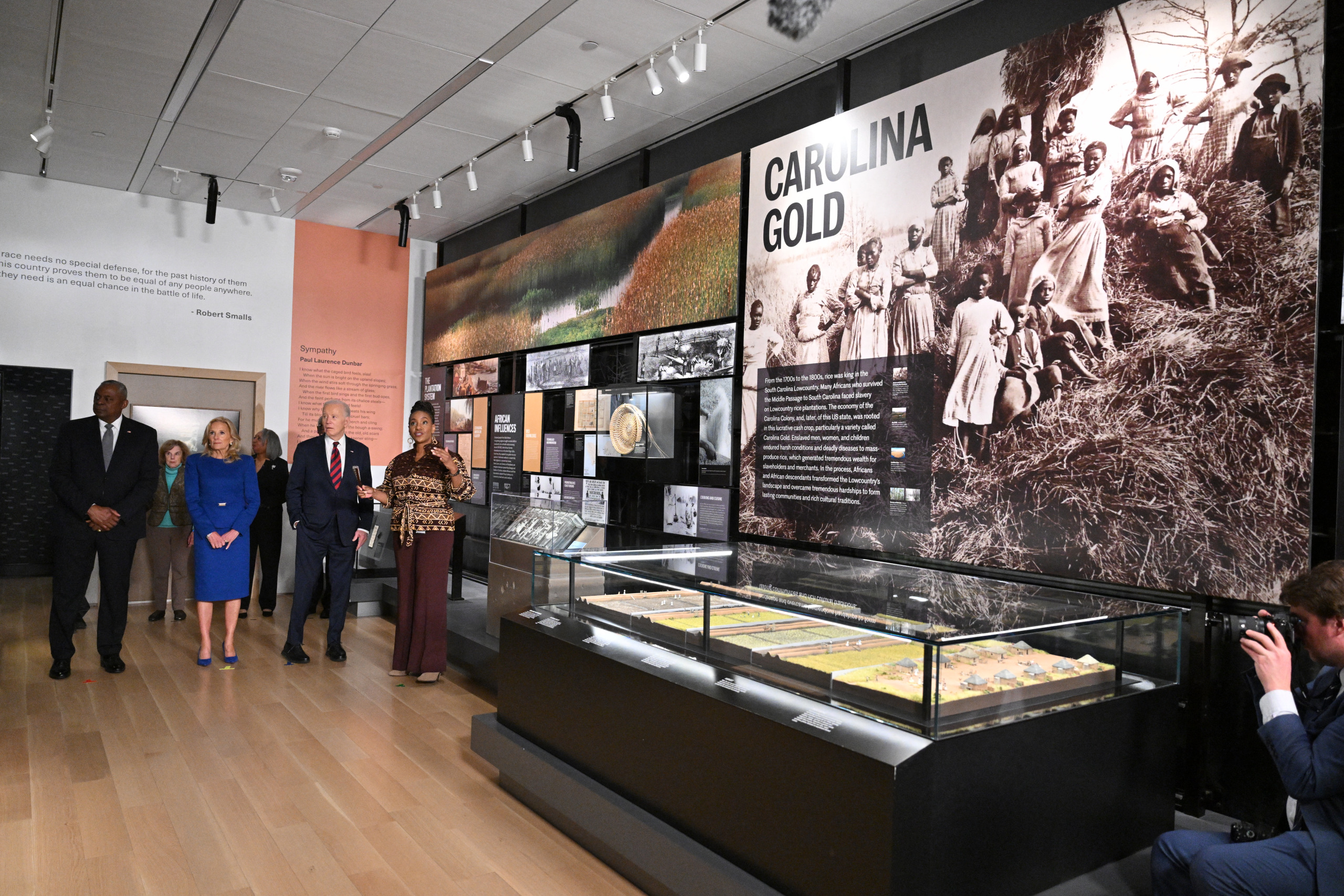
Fall is an ideal time to cozy up and watch this acclaimed 1991 independent film written, directed and produced by Julie Dash. Set in 1902 on St. Helena Island, South Carolina, the film centers on three generations of Geechee women as they prepare to migrate from the rural South to the North..
ENJOY AN AUTHENTIC GEECHEE MEAL
Everyone knows one of the best (and tastiest) ways to learn about a region is through the food. For a taste of Gullah Geechee cuisine, look no further than the family-owned and run Hannibal’s Kitchen in Charleston, South Carolina. Be sure to try the crab and shrimp fried rice. You won’t be disappointed.
PICK UP A GEECHEE COOKBOOK
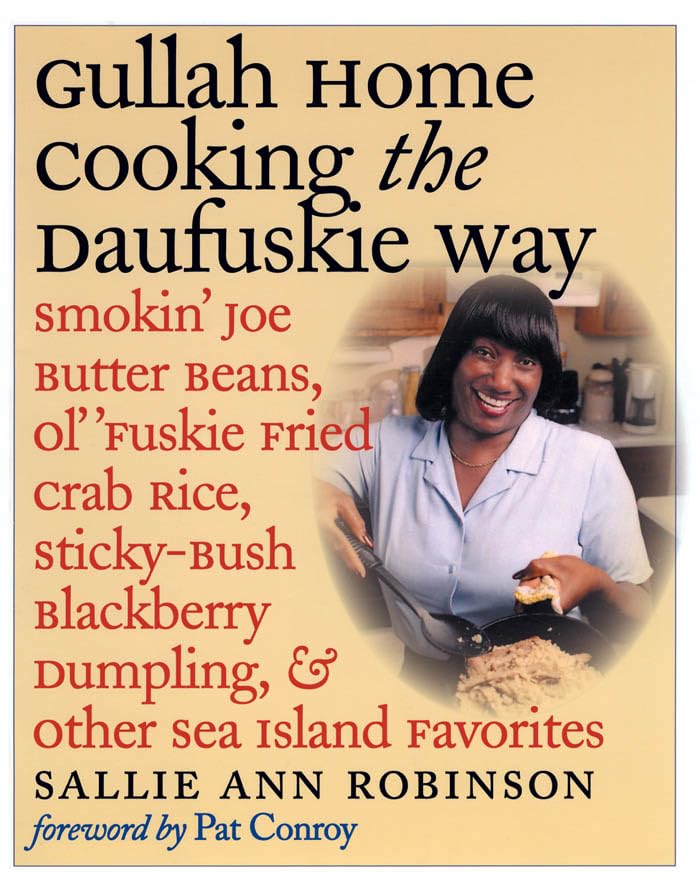
Can’t get to Hannibal’s in the near future? Don’t fret. Pick up a copy of Cooking the Gullah Way: Morning, Noon & Night, Gullah Home Cooking the Daufuskie Way or Sallie Ann Robinson’s Kitchen, all by award-winning chef Sallie Ann Robinson. Robinson is 6th-generation Gullah born on Daufuskie Island in South Carolina and known for whipping up delectable dishes like crab, okra and tomato stew and sweet potato cornbread.
BOOK A TRIP
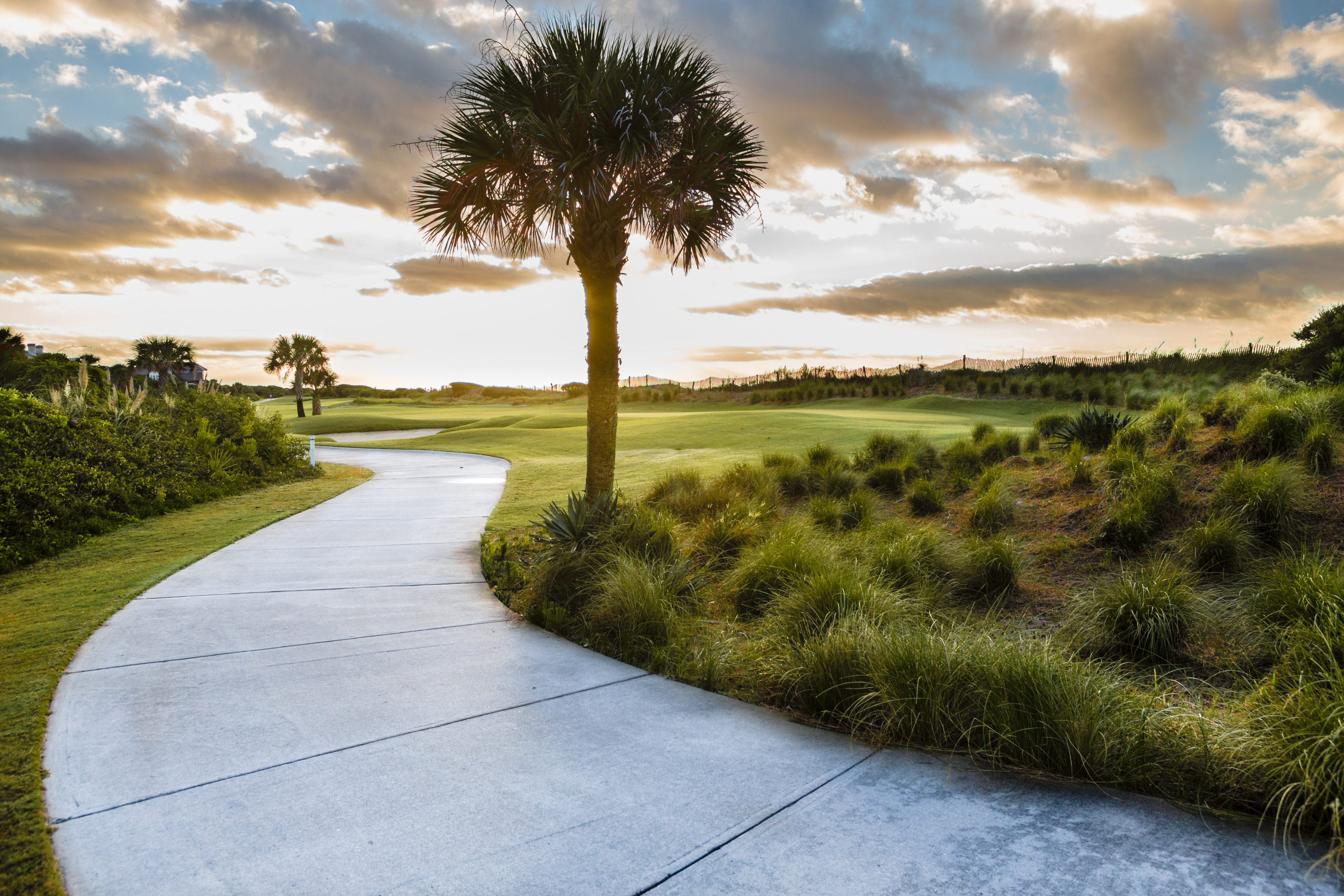
In addition to Charleston, which offers a plethora of exciting sights, sounds and eats look into a vacay in Hilton Head, South Carolina — and check out the Gullah Museum of Hilton Head Island while there. It features roughly 500 artifacts dedicated to preserving Gullah language, traditions, crafts, and architecture. In Charleston, also known as Chucktown, check out Gullah Tours and tell guide Alphonso Brown that ESSENCE sent ya. Most people are clueless about the important Gullah Geechee history that exist within America’s beautiful and tranquil barrier Sea Islands like Kiawah Island in South Carolina or Jekyll Island in Georgia. Also worth considering are Wilmington, North Carolina and/or Jacksonville/American Beach, Florida.
SPLURGE ON A SWEETGRASS BASKET
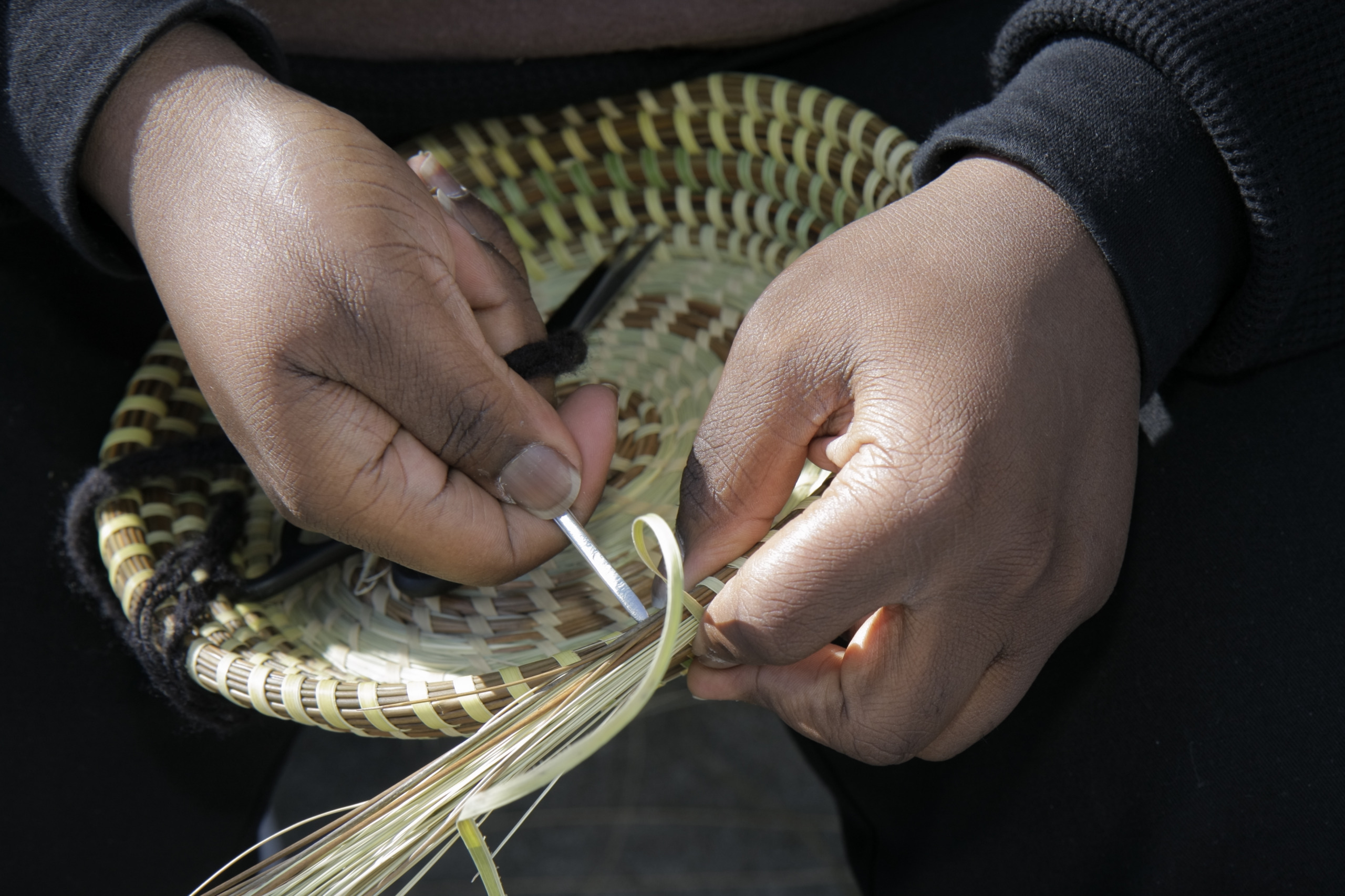
Invest in a sweetgrass basket; a unique art of this area’s distinct cultural fabric. The fascinating regional craft has been passed on from generation to generation. Thank us later.
SHOP AT BINYA
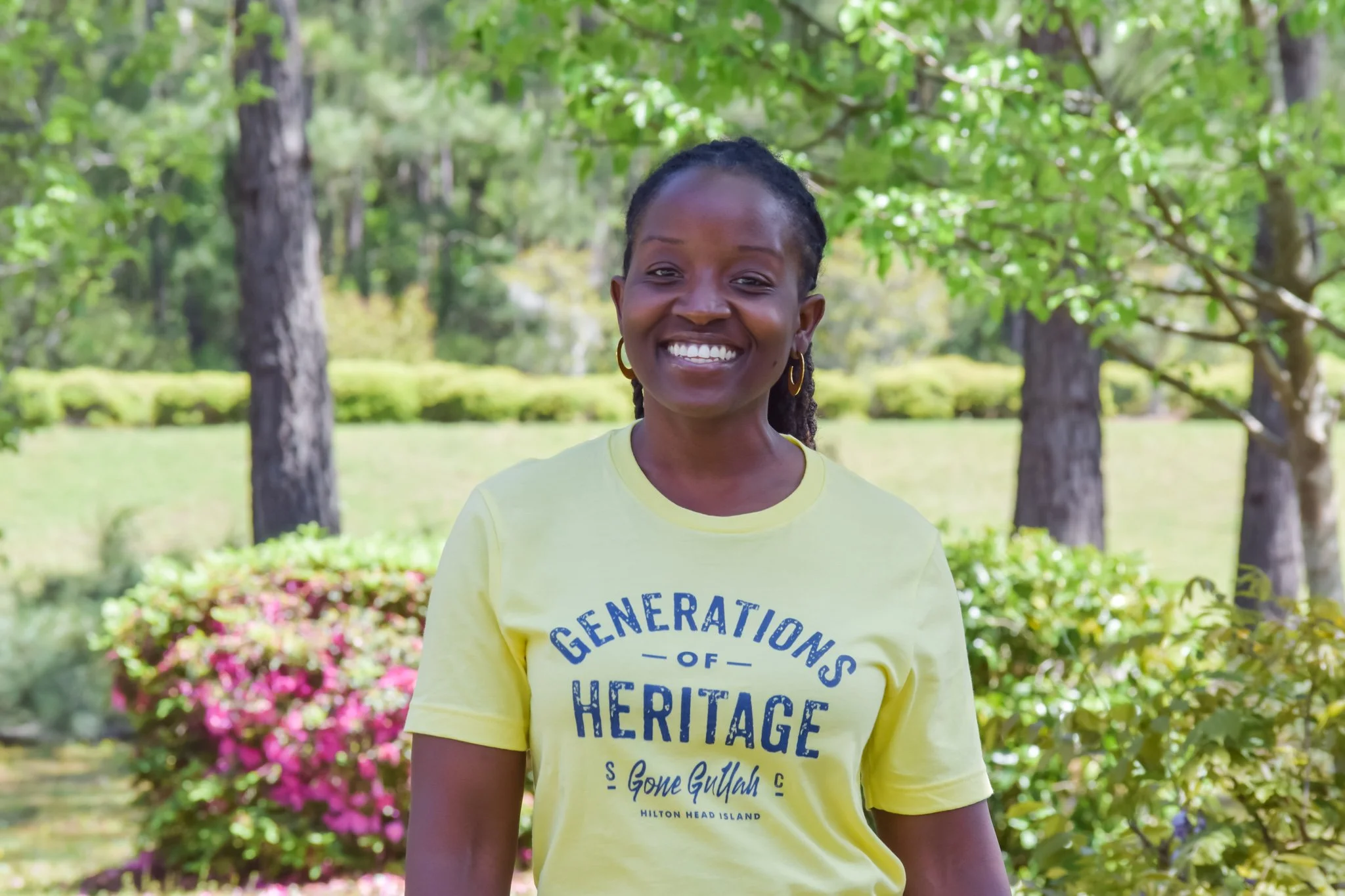
Binya founder Lola Campbell was born and raised on Hilton Head into one of the oldest native families in the Spanish Wells community. A proud Gullah local, this Howard University School of Law trained attorney has created a special retail space manages to carefully preserve important Geechee history while incorporating modern and elevated style sensibilities. The store offers a chic selection of tees, candles, books, artwork and more. Fun fact: Binya or Been-yah is a common Gullah word which loosely translated means “been here” or “born native” — as opposed to a “comeyah” or come here transplant.
BONUS: SUPPORT!
Visit the Gullah Geechee Cultural Heritage Corridor Commission to learn more about the culture and consider making a donation to their efforts here.
