




Black Voices: News, Culture & Community from Across the Nation
- Telehealth is the most common reason for mental health visits across regions and ages, per FAIR Health.
- A large LifeStance Health study using PHQ-9 and GAD-7 found over 75% with moderate depression or anxiety improved regardless of region.
- Virtual care expands access but may not suit everyone; many benefit from mixed formats and finding the right provider.
Online care isn’t a fix for every barrier. But for the many rural residents with a reliable connection, virtual care has helped improve access through removing the need to travel to a provider’s office.
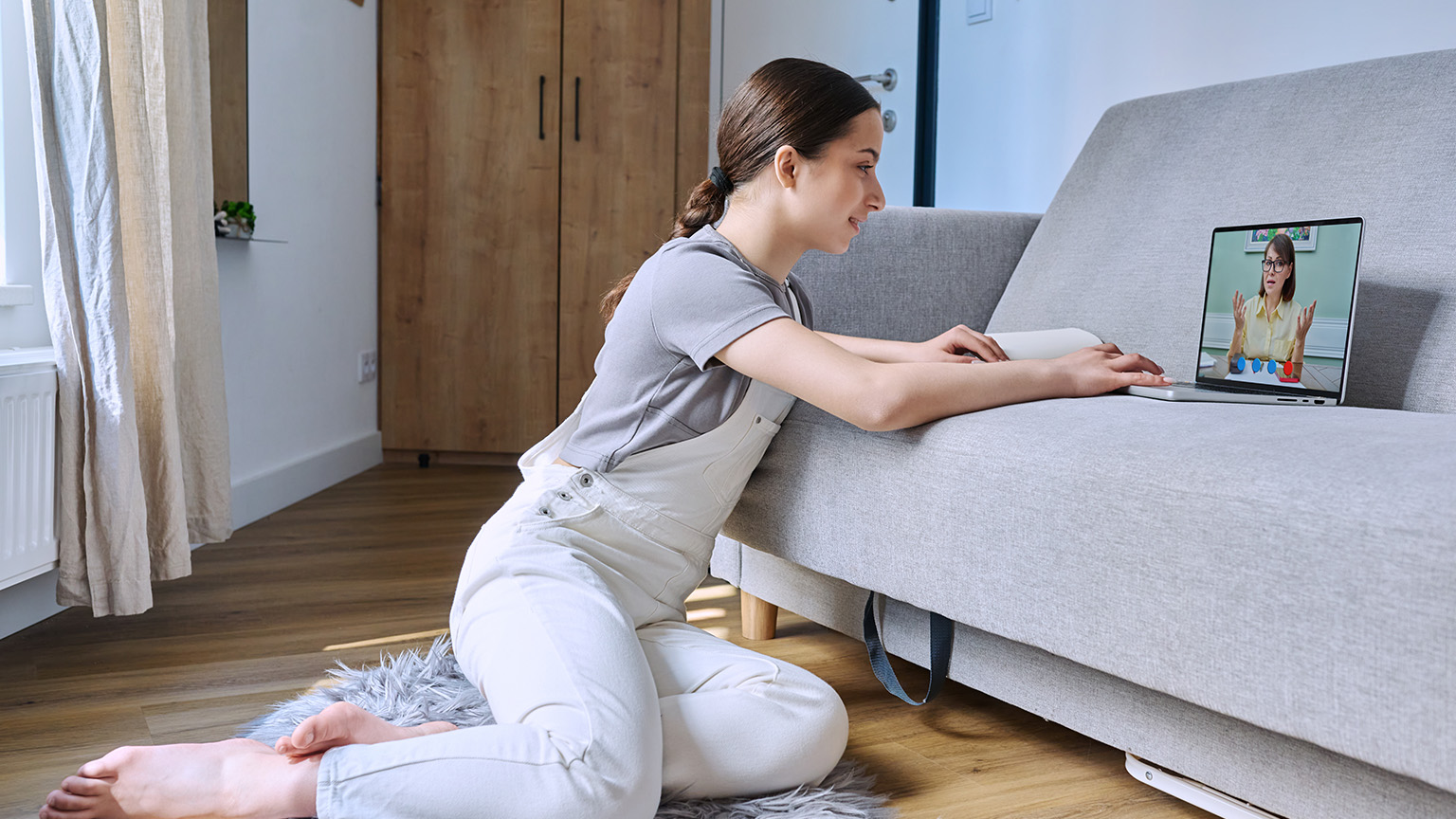
Many people use online care for their mental health. According to FAIR Health, mental health was the most common reason for telehealth visits among people with private insurance in early 2026. This was true in every U.S. region and age group studied. This consistent demand for virtual mental health care matters most in places where reaching a provider in person was never realistic to begin with.
It also raises a fair question: do mental health treatments work no matter where you live? A 2026 LifeStance Health study looked at more than 139,000 patients. Using two common questionnaires, the PHQ-9 for depression and the GAD-7 for anxiety, the study tracked results across parts of the country with more rural populations. No consistent pattern was found between how rural or urban a region is and how much patients improved. Overall, more than 3 in 4 patients* (75%) with at least moderate depression or anxiety improved significantly, no matter which region they were in.
LifeStance’s treatment tends to work no matter where someone lives. The bigger obstacle is reaching it at all, and that’s the gap online care can help close. But that doesn’t mean virtual care is right for everyone. Many people benefit from a mix of both, and finding the right mental health provider often matters as much as the format.
[author name]
[published date]
Read the full article on the original publication
