




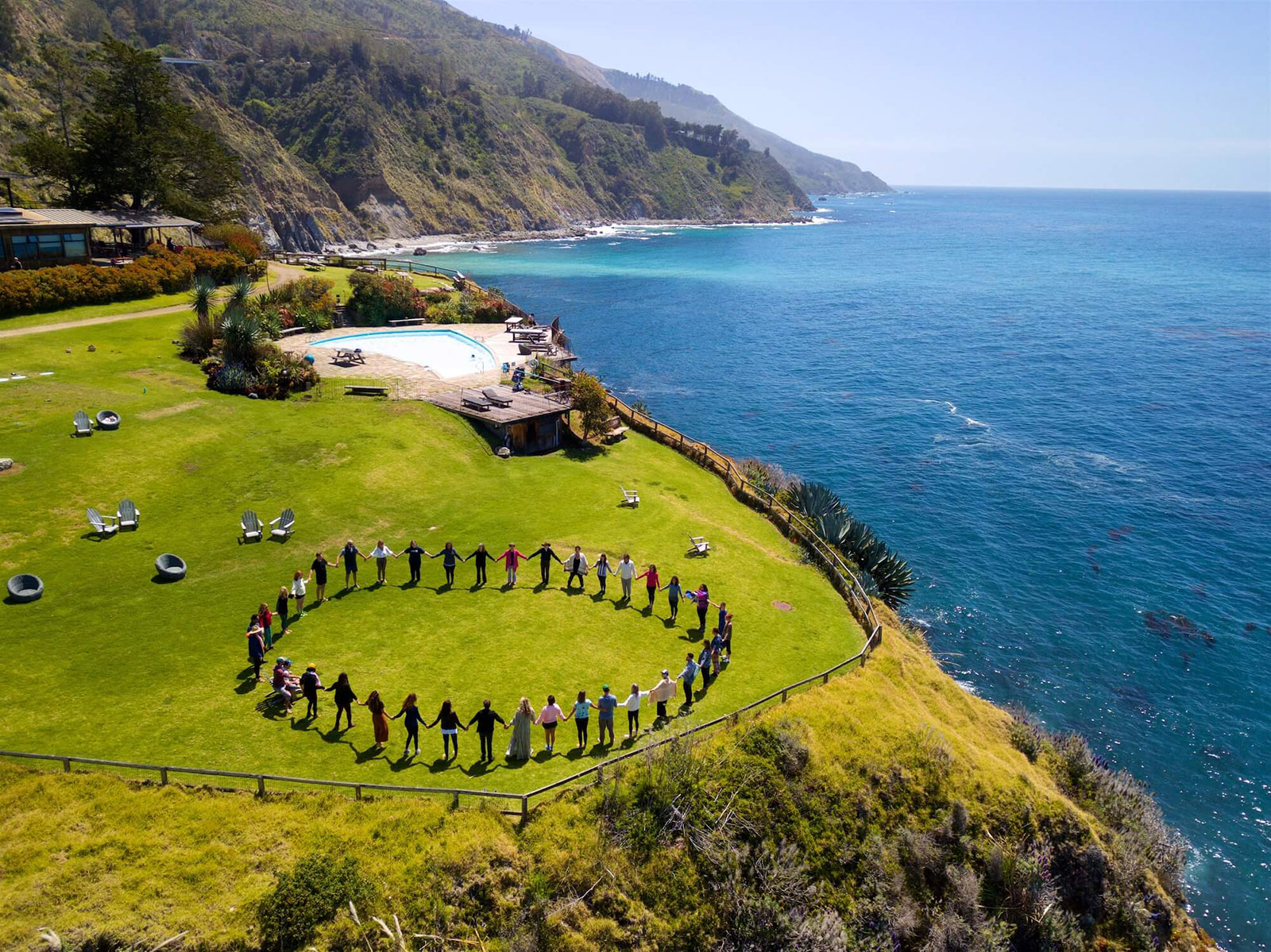
Faith & Reflection: Voices from the Black Church and Beyond
- Spiritual centers in Big Sur such as Esalen, New Camaldoli Hermitage, and Tassajara endure evacuations from wildfires and highway disruptions.
- Climate change and the coming El Niño threaten more erosion, landslides, and storm-driven closures, increasing long-term risk.
- Experts at the Center for Coastal Climate Resilience urge active restoration, funding options like tolls, and planning for sustainable access.
- Monastic communities face aging members and uncertain futures; New Camaldoli Hermitage closed for winter while discerning sustainable presence.
Get RNS’ thoughtful, essential religion reporting every morning. Sign up for free!
BIG SUR, Calif. (RNS) — When a landslide closed a section of Big Sur’s Pacific Coast Highway in early 2023, Peggy Horan’s commute to work jumped from 40 minutes to about 4.5 hours.
Since 1969, Horan has lived in Big Sur, working as a massage therapist and midwife at the Esalen Institute, a retreat center that helped popularize Eastern spirituality, humanistic psychology and holistic wellness in the United States. Living on Big Sur’s picturesque, primordial coastline has meant adapting to elemental realities — wildfires and windstorms, downpours and droughts.
“We walked our kids through (land)slides to get to school,” Horan said in an interview.
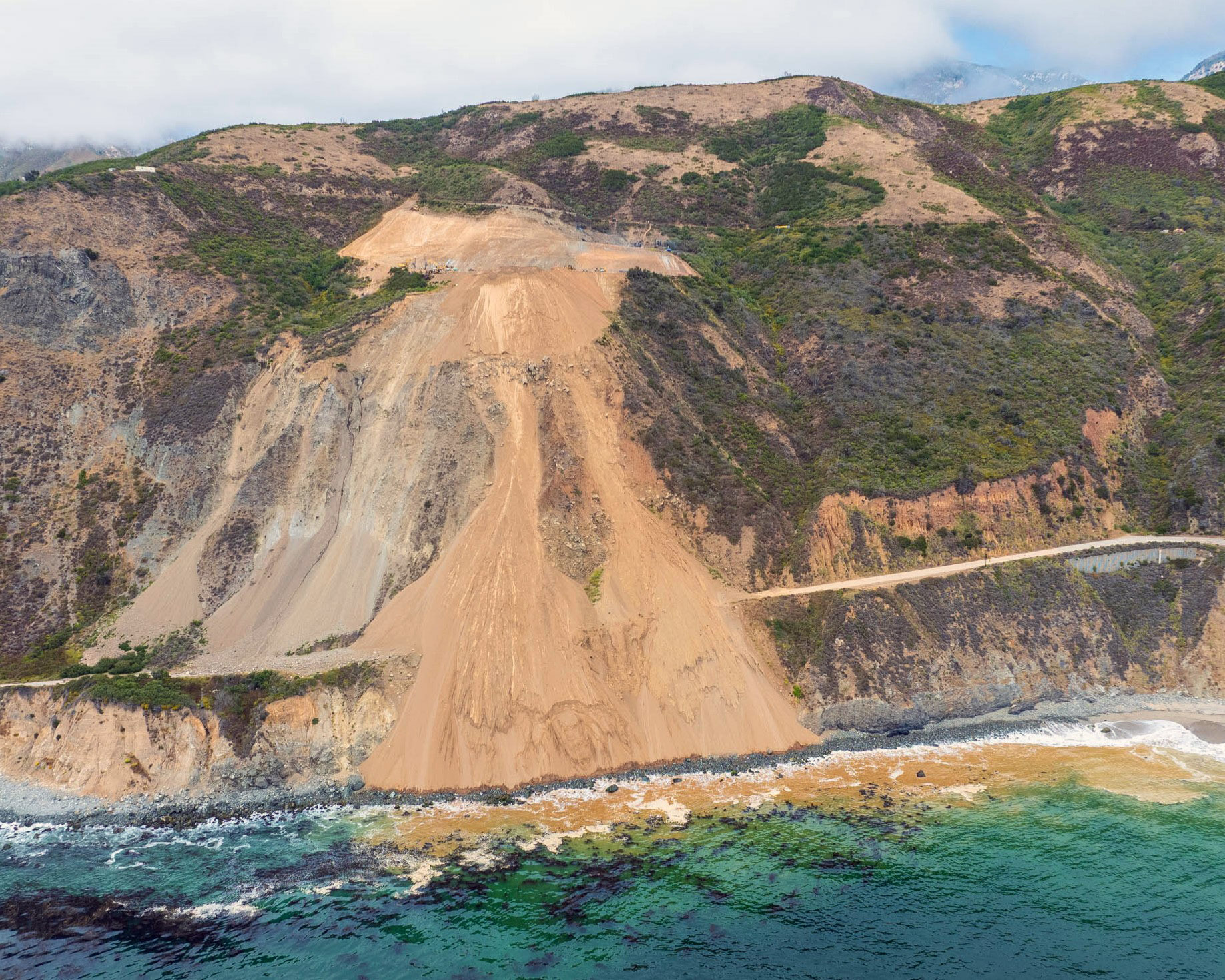
Still, at 85, she can’t recall many events as significant as Paul’s Slide in January 2023 and Regent’s Slide in 2024. “This closure was three years,” Horan said. “We’ve never had one like that.”
From 2023 to 2026, as California’s Department of Transportation undertook an estimated $162 million repair effort, Esalen effectively sat at the end of a cul-de-sac. Guests, supplies and staff arrived from the north — or, in Horan’s case, took a 200-mile, somewhat treacherous detour. While Esalen kept revenue flowing during the closure, the Big Sur region’s total economic losses likely exceeded $438 million in that period.
Following the longest closure in its history, Big Sur’s highway reopened in January 2026. Normalcy was relatively short-lived, however. In August, the Plaskett and Timber wildfires tore through Big Sur’s Santa Lucia Mountains, leading to further closures and widespread evacuation orders.
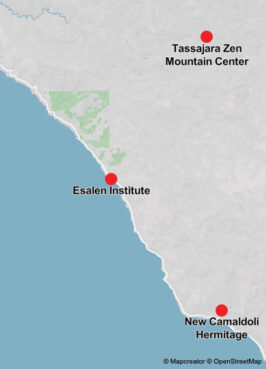
Esalen’s staff and guests evacuated, as did those at two other Big Sur spiritual centers: New Camaldoli Hermitage, a Benedictine monastery 12 miles south of Esalen, and Tassajara Zen Mountain Center, a Sōtō Zen monastery nestled deep in the Ventana Wilderness.
Evacuation orders for Plaskett were lifted in mid-September and for Timber in early October. Now, Big Sur residents are bracing for winter. The El Niño climate pattern is projected to bring considerable rain and powerful waves to Big Sur, causing erosion and more landslides. New Camaldoli Hermitage announced it will remain closed for the winter, and the monastery’s future is uncertain.
For those who visit, work, and live at Big Sur’s spiritual centers, ruggedness goes hand in hand with sacredness. But as climate change amplifies the challenges of living in Big Sur, staying long-term requires grit and preparation. It also means seriously weighing whether the beauty outweighs the costs.
“Essential, cosmic landscape”
Horan visited Big Sur for the first time in 1967, attending a workshop at Esalen led by psychologist Fritz Perls. Intoxicated by Esalen’s “mixture of new ideas, amazing thinkers and healers and people,” as she put it, the lifelong New Yorker soon moved permanently to Big Sur.
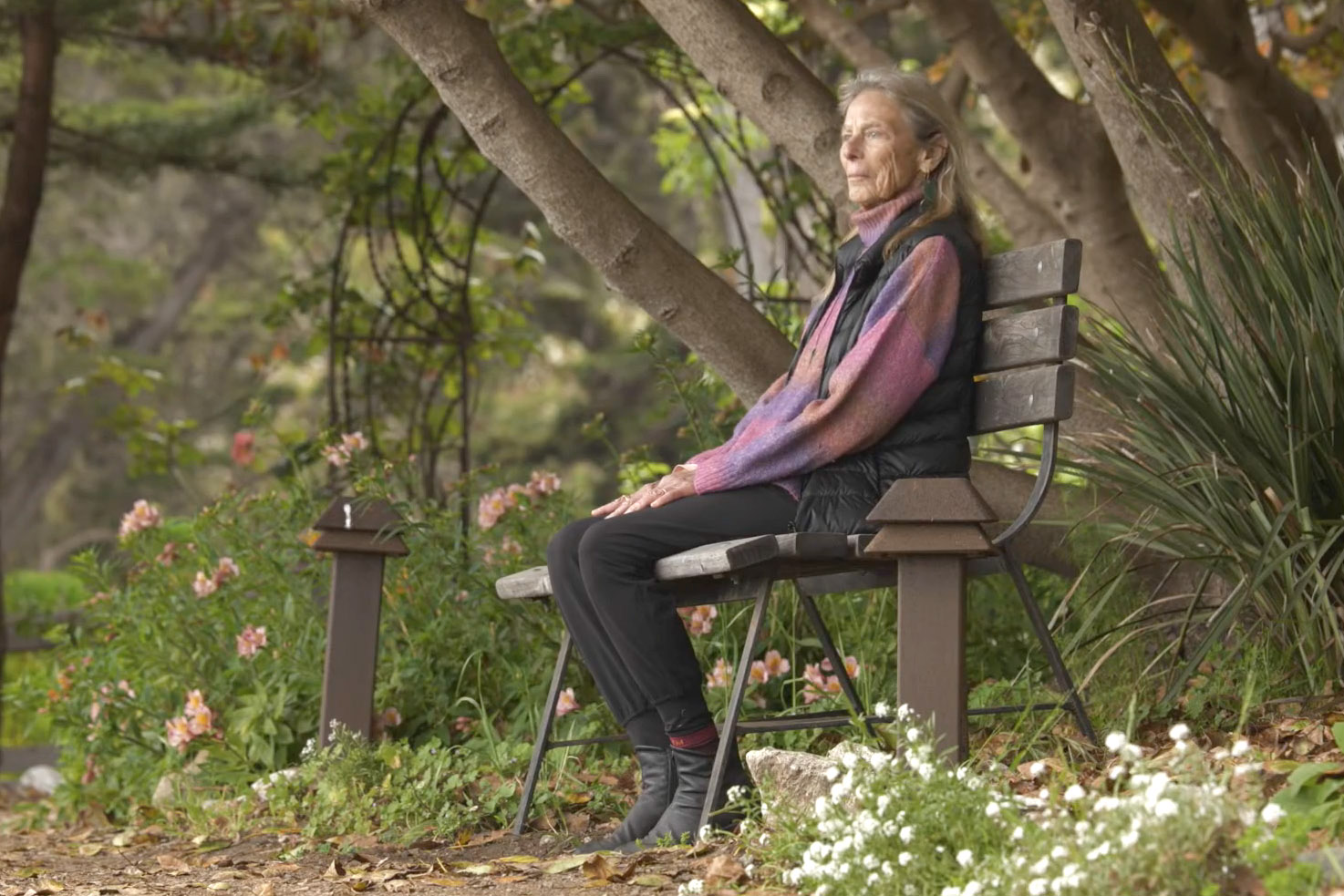
Five years earlier, Michael Murphy and Richard Price had co-founded Esalen after connecting at a spiritual co-op in San Francisco. They decided to transform the Murphy family’s coastal compound into a “gymnasium of the mind,” adopting the name of the Esselen, the Indigenous tribe that has inhabited Big Sur for more than 6,000 years.
Esalen became known as the epicenter of the human potential movement: a philosophical framework that emphasized “self-actualization” and blended modern psychotherapy with ancient practices like yoga, breathwork and meditation. In those early decades, thousands of seekers flocked to Esalen. So did countercultural figures like psychedelics pioneer Timothy Leary, Zen philosopher Alan Watts and folksinger Joan Baez.
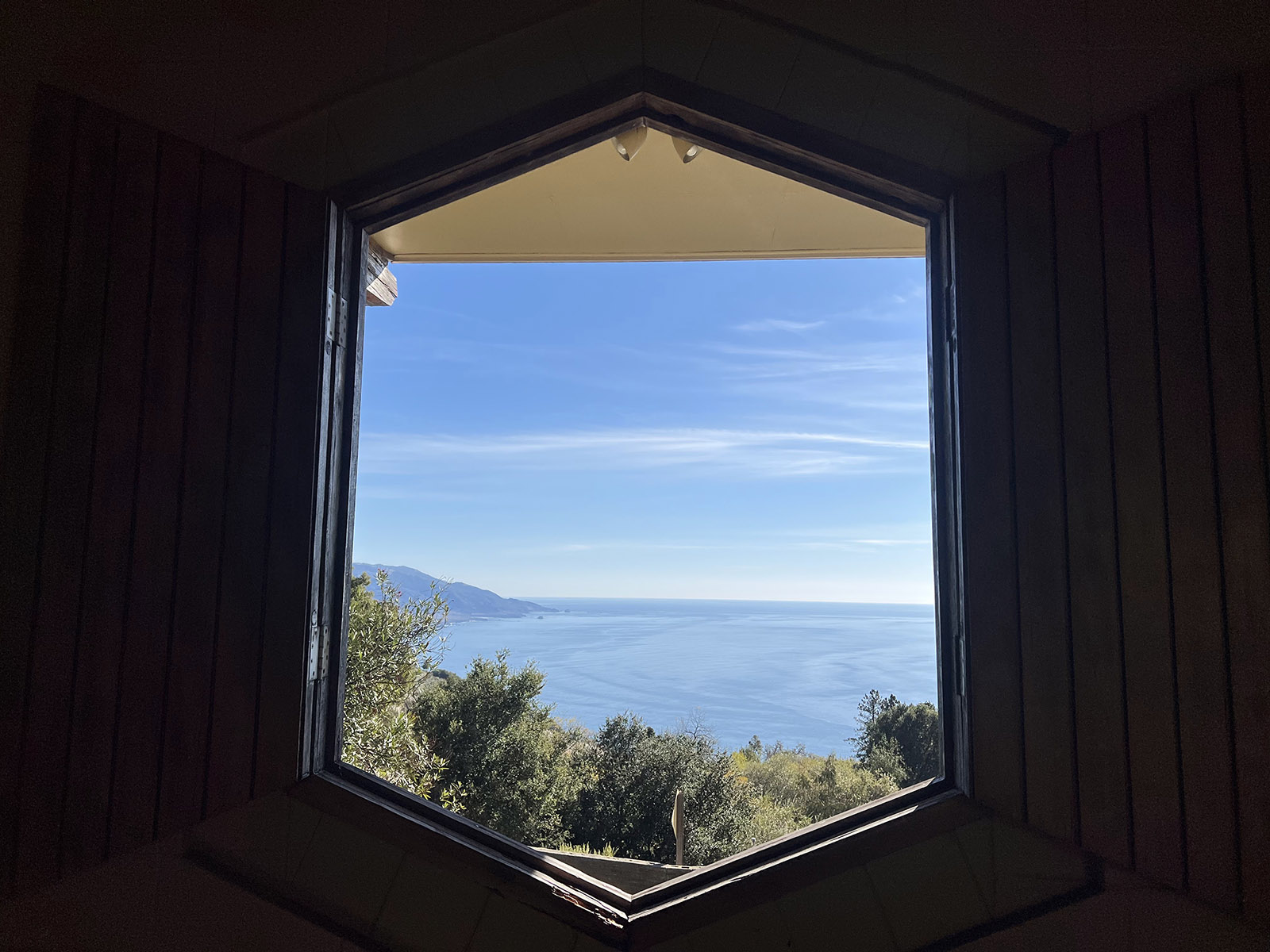
About 12 miles south, another spiritual community was taking shape. The New Camaldoli Hermitage, perched high on a mountain ridge overlooking Cape San Martin, is an outpost of the Camaldolese, a thousand-year-old Roman Catholic monastic order.
In 1958, the Camaldolese mother house in Italy sent two monks to scout a new location in America (reportedly at the urging of mystic and monk Thomas Merton). When they arrived in Big Sur, they were smitten: They had found their location. Construction was completed in the years to come, and monks have lived there and tended it ever since.
Cyprian Consiglio served as New Camaldoli’s prior from 2013 to 2024. When he first joined in 1992, he remembers nearly all 25 monastic cells being occupied. These days, “on the books, there are seven, which is a pretty small number for a big place like that,” Consiglio said.
To help make ends meet, the monks sell their brandy-soaked fruitcakes and “Holy Granola.” Much of the revenue, though, comes from hosting group and individual silent retreats.
One regular guest is Pico Iyer, the prolific essayist and travel writer whose 2025 memoir, “Aflame,” recounts more than three decades of silent sojourns in Big Sur.
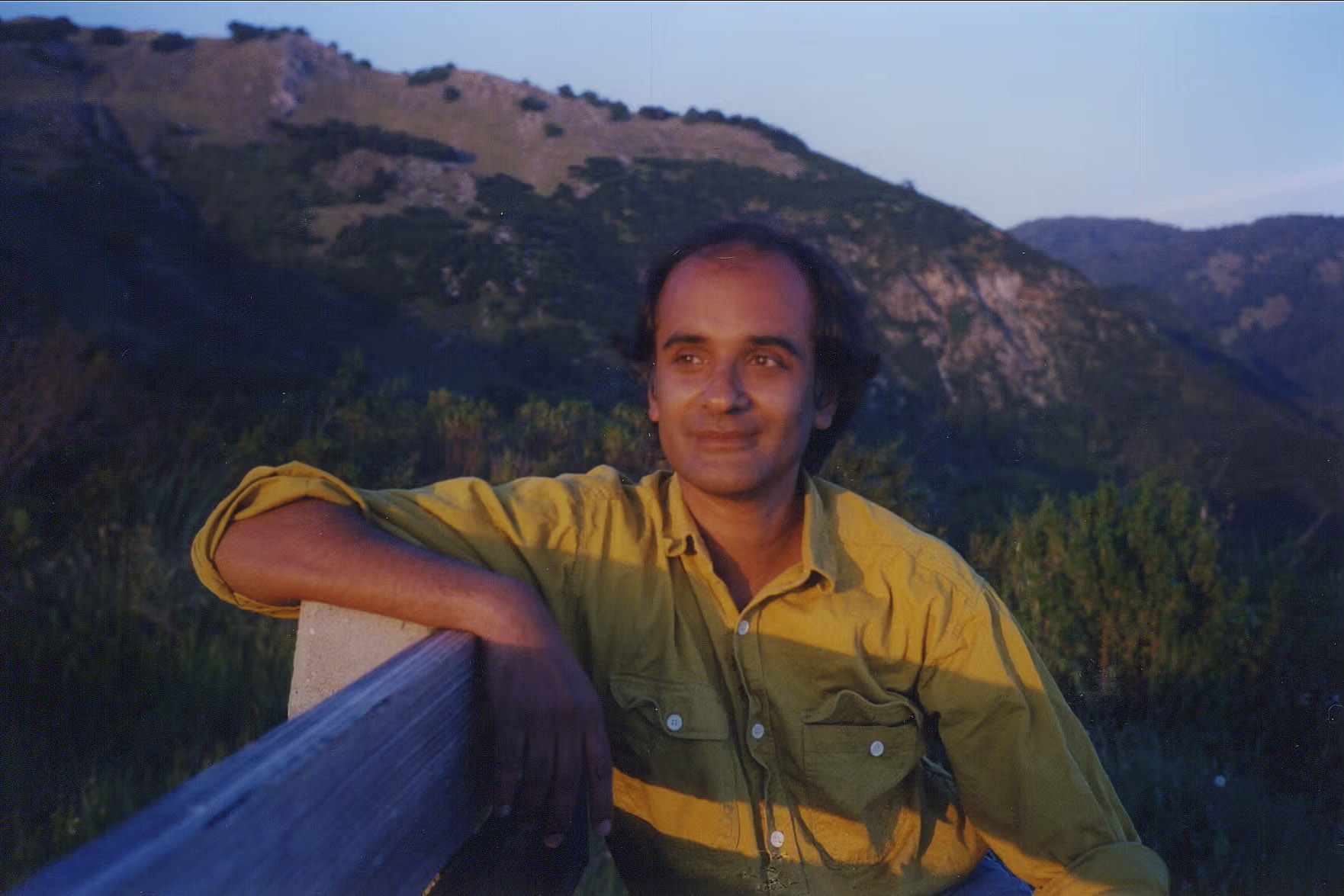
What mostly pulls him back year after year is the landscape’s “changelessness,” Iyer said. “The calendar falls away, time disappears and you’re in a much more essential, cosmic landscape.”
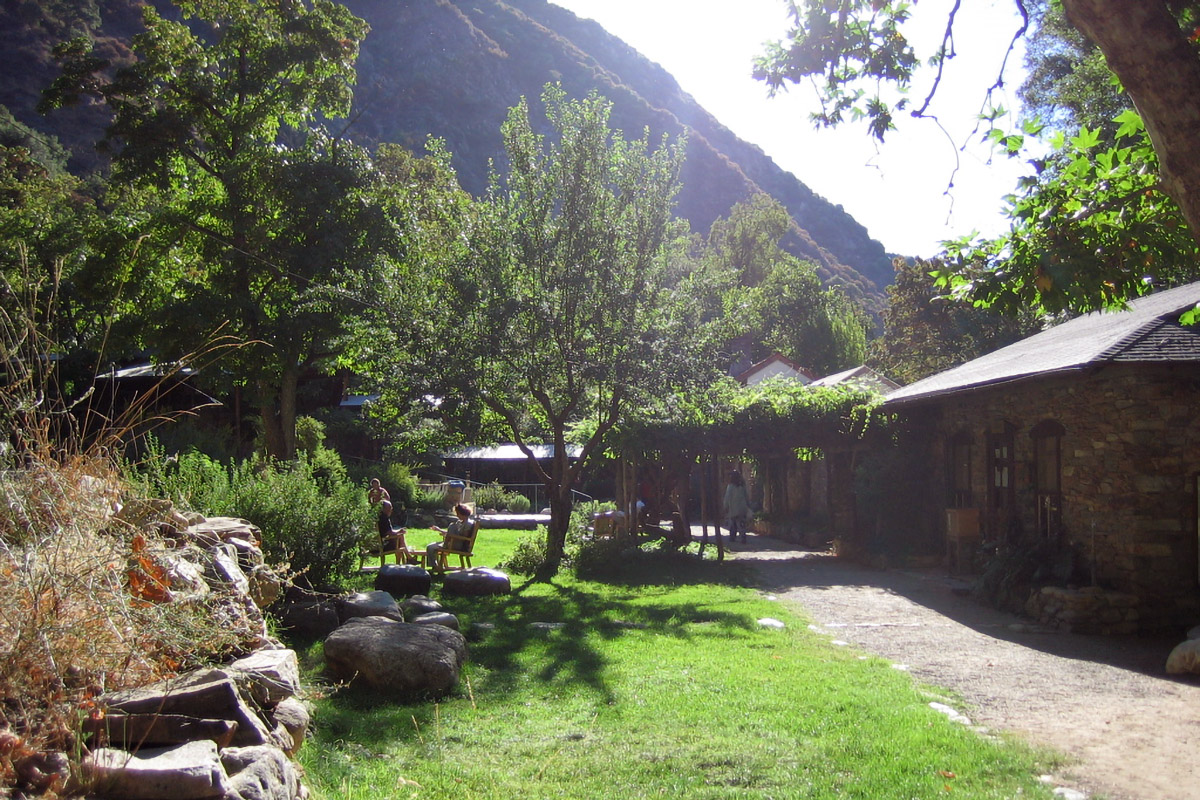
A few miles inland, in a forested river valley accessible only by a 14-mile dirt road, is the Tassajara Zen Mountain Center, the first Zen training monastery outside of Asia. A former hot springs resort, the property was purchased in 1966 by the famed Sōtō Zen teacher Shunryu Suzuki and his San Francisco Zen Center (SFZC).
The monastery was the world’s first to allow men, women and couples to live and meditate together. By the 1980s, it had also forged a distinct reputation for farm-to-table cuisine. In a foreword to “The Tassajara Recipe Book,” renowned chef Alice Waters praised the vegetarian food for its “special flavor of wholesomeness.”
Michael McCord, the current president of SFZC, lived at Tassajara from 2009 to 2016, serving as head cook and in other roles. He is often struck by the notion that, for millennia, the native Esselen people considered these same hot springs sacred. Along with New Camaldoli and Esalen, Tassajara maintains a relationship with the current Esselen tribal organization.
“It’s a place where people have gone for spiritual reasons for a very long time,” McCord said. “Not to be too woo-woo, but it’s got that built into its DNA.”
“No place for old men”
While enchanting, Big Sur can also be hostile. Above the fog line and treelined canyons, the mountains are sheer and sun-baked, covered in drought-resistant chaparral. Most seasonal streams dry up by late spring. Between May and October, rain is essentially nonexistent.
These conditions have historically laid the groundwork for wildfire, which has always been part of the landscape. But as climate change has raised temperatures and dried out vegetation, those fires have become hotter, larger and more frequent in Big Sur and across California.
Some, like the record-shattering Marble Cone Fire in 1977, left the spiritual centers relatively unscathed. Others came incredibly close, like the 2008 Basin Fire. At Tassajara, as residents and guests evacuated, five monks famously stayed behind to tackle the blaze.
“We used to train people to fight wildland fires,” said McCord, a former Tassajara fire chief himself. Monks were taught to “cut firelines,” “roll out hoses” and deploy “Dharma Rain” — a campus-wide sprinkler system that pumps from the Center’s Olympic-size swimming pool.
That year, at least, all three centers survived. Others have not been so fortunate. In 2016, the Soberanes Fire destroyed 68 structures, including Sweetwater Hermitage, a small Tibetan Buddhist retreat center run by the Dharmata Foundation. In a reflection for the Buddhist magazine Lion’s Roar, Dharmata’s founder, Anam Thubten, described the loss as a lesson in impermanence “even more profound than the Buddha’s own words.”
The Soberanes Fire burned more than 132,000 acres of terrain and vegetation, and record-shattering rains followed in 2017. That February, mudslides fractured a bridge to the north; in May, another slide destroyed a section of road to the south, effectively marooning Esalen and New Camaldoli on an “island.”
Esalen was forced to close its doors for months, letting go of much of its staff while spending millions on repairs and renovations. At New Camaldoli, many monks chose not to evacuate, rationing fuel, water and food as they waited for intermittent helicopter drops of supplies. With no income from guests, they launched a GoFundMe campaign to cover costs.
During rainy season, Consiglio vividly remembers one night of torrential downpour, when an elderly monk fainted and required an ambulance. After calling 911, Consiglio stood outside around sunrise, the rain streaming down “like a carwash,” unsure “if the road was open from the north or the south,” he said. “I’m thinking, ‘This is no place for old men.’”
“And yet,” he added, “our guys are stubborn in the best sense of the word. This is where we live, and this is the land and the life we love. We’re not going anywhere.”
Weighing the costs
With the highway open again and evacuation orders lifted, traffic and tourism have resumed. But the dangers facing the spiritual centers — and, indeed, all long-term residents — won’t go away soon. As Mike Beck, director of the Center for Coastal Climate Resilience at the University of California, Santa Cruz, put it, “I wonder if they’re ready to be out there on four-wheelers.”
To be clear, Beck doesn’t think it will really come to that. But with the climate crisis already exacerbating Big Sur’s volatility and the El Niño weather system projected to bring massive waves and atmospheric rivers, “it’s not going to surprise me at all if we get another closure this winter,” he said.
The situation’s precariousness stems largely from human development choices, he continued. “Fires have indeed gotten hotter and larger, absolutely, but we’ve also put more people up at the edges of forests.” Then there is the road, built almost a century ago atop fault lines and downhill from pre-existing rockslides. Erosion is inevitable.
To keep Big Sur safe for visitors and residents, California needs to “move out of the response and recovery phases” and into “active restoration and adaptation that will prepare us for the future,” Beck said. One potential adaptation he sees: converting Big Sur’s highway into a toll road to help fund inevitable future repairs.
Whatever the response, maintaining Big Sur as it exists now will be increasingly expensive. “We’ll have to weigh that against the other things that we as a society want — financially, ecologically, spiritually,” he said.
Horan, for her part, is skeptical of a future in which California gives up on maintaining Big Sur’s highway. “Economically, there’s so much invested in this piece of coast here, and on both ends,” she said. “I can’t see them abandoning us. But certainly, the elements could. That’s definitely possible.”
As winter approaches, Esalen is “closely monitoring the winter forecast and preparing for the possibility of significant storms,” general manager Matthew Siegel said in a statement. “Having experienced the impacts of recent fires, road closures, and severe weather, we understand the importance of planning ahead while remaining responsive to changing conditions. Our priority is the safety of our guests, staff, and community.”
At Tassajara, McCord is confident they’re prepared for what’s to come. Monks no longer train for firefighting, but the SFZC has a private wildland firefighter on contract. Winter flooding is a concern, especially given its river-valley location. But fire is less of a factor now after Plaskett and Timber, he explained.
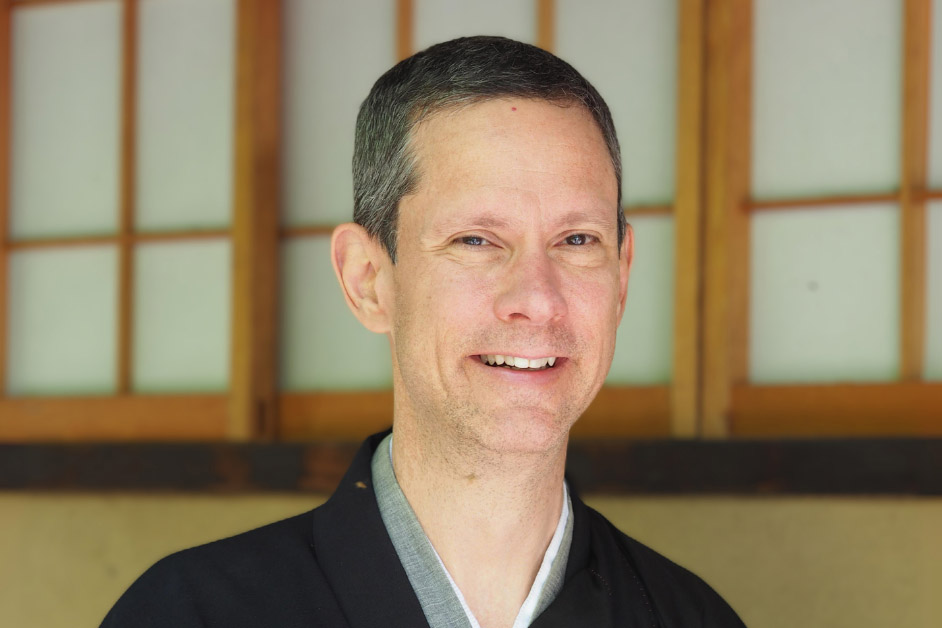
“If I look at everything west of Tassajara, a huge section of it just burned,” McCord said. “That’s not going to burn in the next five to seven years.”
Consiglio, who now lives in Rome, has been in touch with the New Camaldoli residents who evacuated in August to Camaldolese residences in Berkeley and San Luis Obispo. “The monks are not hurrying to go back right now because of this El Niño that’s coming,” he said. “They’re trying to discern, ‘Can we actually do this this year?’”
That season of discernment will extend into 2027. In late September, the current prior, Fr. Ignatius Tully, announced the Hermitage would be closed for the winter. “Our communities are small and growing older, and we need to look honestly at how (we) can best support a healthy and sustainable Camaldolese presence in California in the years ahead,” Tully wrote.
By chance, Iyer was driving through Big Sur the hour that fire erupted in August. He emerged unharmed, as did most structures. But the monastery’s evacuation put his plans to stay this fall on hold. He’s unsure when he’ll return or what the Hermitage’s future will be.
“The grace of Big Sur is that it returns you to a bigger timescale,” he said. “It is a place for thinking about eternity and what really survives and lasts. It’s about living with precariousness. I think it always has been.”
Read the full article on the original source
