

Finding breast cancer earlier can make a real difference. But early detection is not just about getting a mammogram. It also means paying attention to changes, knowing your risk and following up when a test finds something unusual.
- For average-risk women ages 40 through 74, the U.S. Preventive Services Task Force recommends mammograms every two years; screening schedules can vary.
- Contact a healthcare professional about a new lump, nipple discharge, skin changes, or other unusual symptoms. Do not wait for routine screening.
- An abnormal mammogram does not automatically mean cancer, but follow-up testing, such as additional imaging or a biopsy, may be needed.
- The Georgia Coastal Health District helps eligible uninsured or underinsured women access breast screening and diagnostic referrals.
- Ask about personal risk, screening schedules, dense breasts, and financial assistance. Keep copies of results for future clinicians.
When should mammograms begin?
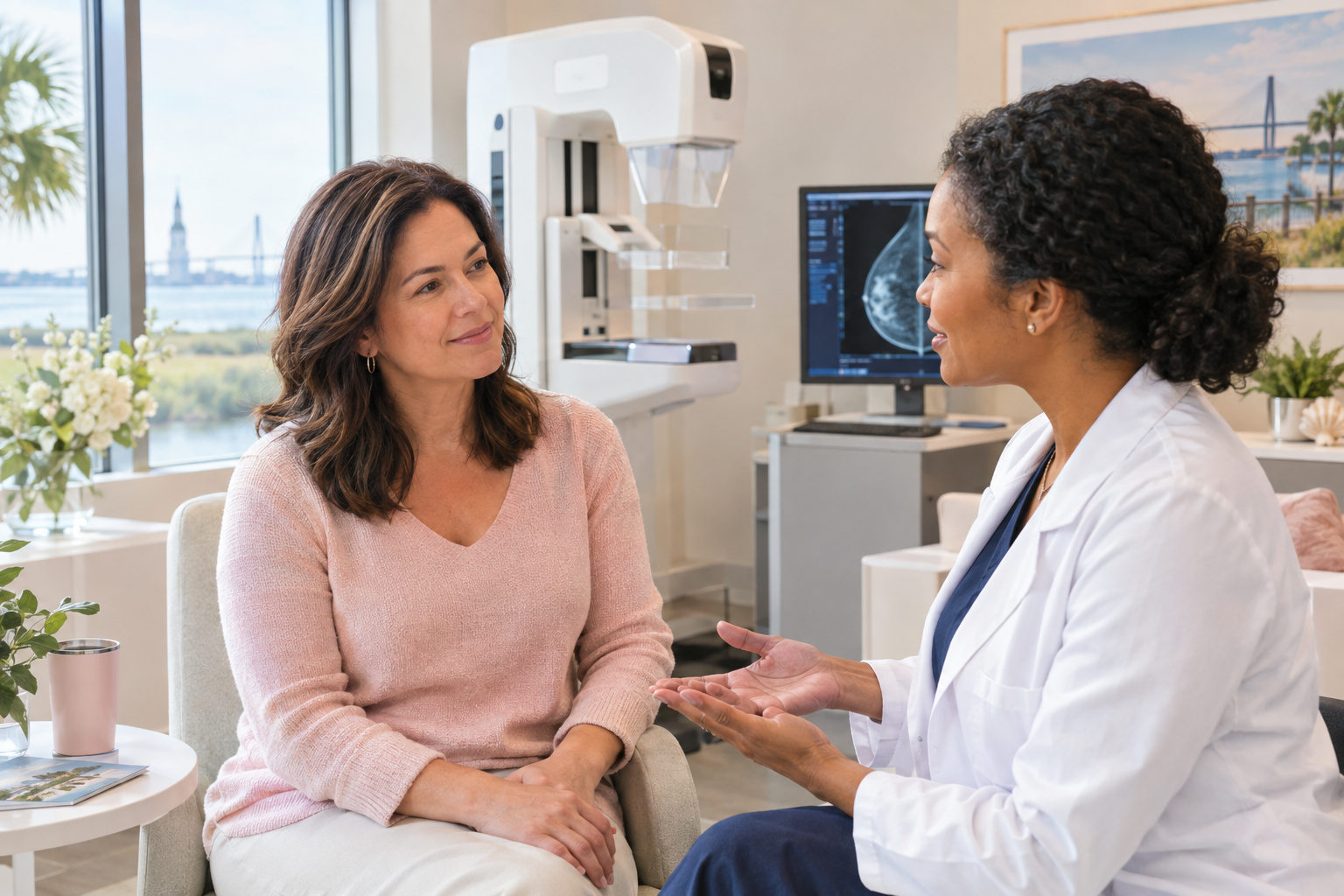
For women at average risk, the U.S. Preventive Services Task Force recommends a mammogram every two years from ages 40 through 74. Other professional organizations recommend different schedules, including yearly screening beginning at 40. Your doctor can help you choose a plan based on your health and preferences. People at higher risk may need screening earlier or with additional imaging.
What if I notice a lump?
Do not wait for your next routine mammogram. Call a healthcare professional about a new lump, nipple discharge, skin changes or other unusual symptoms. A diagnostic mammogram or ultrasound may be recommended even if you are younger than the usual screening age.
What happens after an abnormal mammogram?
An abnormal result does not automatically mean cancer. It does mean follow-up matters. Your clinician may recommend more pictures, ultrasound or a biopsy. Ask when you should expect results and whom to call if you do not hear back.
Where can Savannah-area residents get help?
The Georgia Coastal Health District helps eligible uninsured or underinsured women access breast screening and diagnostic referrals. Savannah-area health systems also provide mammography and breast care services. Check insurance coverage, financial assistance and appointment requirements before visiting.
Questions to ask
Ask about your personal risk, the best screening schedule for you, whether you have dense breasts, and what to do if you cannot afford testing. Keep copies of results so future clinicians can compare them.
Where to start in Savannah: Talk with your primary care clinician or breast care team about your individual needs. The Savannah Herald Breast Cancer Awareness and Resource Guide lists Coastal Health District screening contacts, Savannah-area cancer centers, and financial assistance options.
This article is for general education and is not a diagnosis or a substitute for medical advice. Services, coverage, and eligibility should be confirmed directly with providers.
Sources
USPSTF: Breast Cancer Screening; National Cancer Institute: Breast Cancer Risk Factors.
