




Black Voices: News, Culture & Community from Across the Nation
- Private and corporate grants are surging, with philanthropies funding racial equity, small business recovery, and innovation.
- Keep a Grant-Ready Folder: mission statement, licenses, budgets, financials, letters of support, and service descriptions for quick opportunities.
- Grant funders seek alignment, measurable impact, clearly defined target populations, and evidence of capacity including partnerships and reporting.
- Black women-led businesses and nonprofits are securing targeted funding in health, education, youth development, mental wellness, elder care, and economic empowerment.
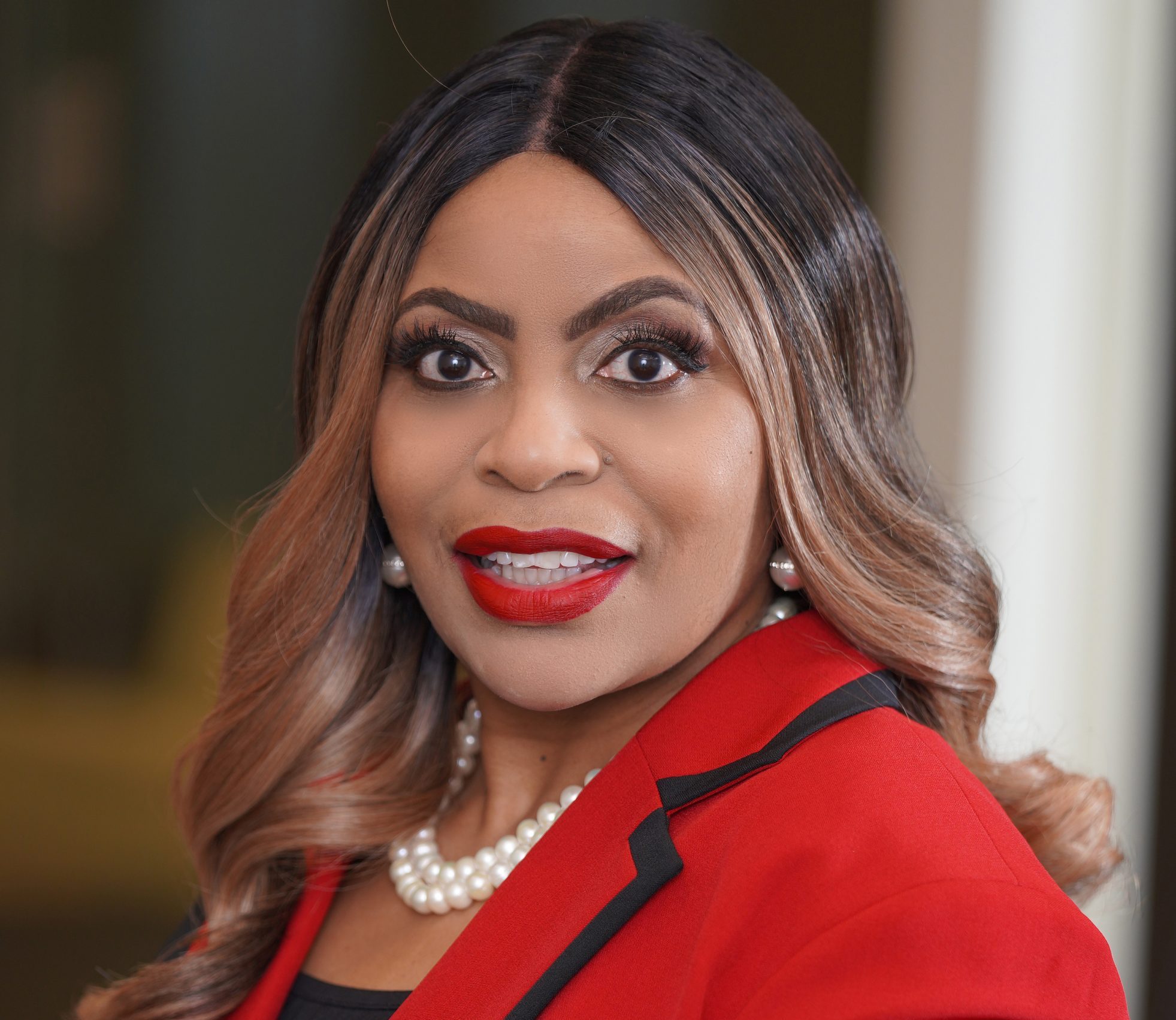
Linda M. Peavy, owner of LiPav Consulting, L.L.C., founded a grant services and communications company in 2008. Peavy said she has secured funding totaling over $18 million to date for her clients, including non-profits and small businesses.
“I always say, ‘You don’t have to be perfect, just be positioned.’ If you’re organized, passionate, and prepared, there’s funding waiting for you. It often does not matter what your industry is; grant money is available if your organization operates as a legal entity with legal programming. The key is knowing how to find it,” Peavy declared.
If you are seeking grant funding, her guidance can put you on a path to gain winning insight.
Identify major mistruths about grants in 2025.
“One of the biggest mistruths in 2025 is that grant money has dried up, especially after federal cuts to DEI programs. That’s just not true,” said Peavy. “While some federal funding streams have slowed, there has been a major surge in private, corporate, and community-based grants. Philanthropic organizations are stepping up in powerful ways, especially those focused on racial equity, small business recovery, and innovation.”
Peavy further stated that money is poured into organizations that meet community needs.
“A total of 189 billion dollars in grants from non-federal funds were generated in 2023. These numbers are expected to increase when the 2024 statistics are released. These grants are being awarded every day to small businesses and non-profit organizations, especially those led by communities of color and women,” Peavy added.
Photo credit: Community Foundation of North Central Florida
According to Peavy, another major mistruth about grants is the need to stop serving populations such as women, minorities, veterans, and people with disabilities because of DEI cutbacks. Peavy revealed that tweaking the language used to describe your target population, if they fall under typical DEI descriptions, may be needed to pursue grant funding.
For example, instead of focusing on ethnicity or gender when writing about your target population, consider focusing on terms that describe the condition or obstacle you plan to address such as “underrepresented” or “underserved” as opposed to descriptors such as Black or African American.
Even if you don’t have a professional grant writer on staff or don’t run a large organization, winning a grant is still possible.
“I’ve trained thousands of small business owners, churches, and grassroots nonprofits—many of whom had never applied for a grant before—and they’re winning five- and six-figure awards. Also, all-volunteer nonprofits and solopreneurs are winning grants as well,” Peavy noted.
Who is currently securing significant grant funding?
Peavy explained that Black women-led businesses and nonprofits are securing significant funding. Funders are actively looking to support Black-led solutions for community issues in categories such as health; education; youth development; mental wellness; elder care; or economic empowerment.
Prepare to apply for grants.
Organizations should have their foundational documents in order, such as their mission and vision statements; 501(c)(3) letter (for nonprofits); business license (for businesses); operating and grant budget; letters of support; financial documents for organizations currently operating; and service descriptions.
Peavy noted that many organizations miss out on funding simply because they do not have these materials ready. She recommends creating a Grant-Ready Folder. Prepare a digital file that includes everything you will need when the right opportunity comes.
“Grants can become available with great speed and short deadlines,” Peavy noted.
Grant funders look for alignment, impact and evidence of capacity.
“They want to know if your mission aligns with their mission. They are asking if you are solving a problem that matters. Many small businesses get tripped up on explaining how they are solving a problem on grant applications,” said Peavy.
Clearly define your target population. The more you provide a niche for your target population, the easier it will be to align your program with the funders.
Peavy explained that grant funders look for evidence of capacity. They want to know if you can handle the money, run the program, and report on outcomes.
“Grant funders also love it when you have partnerships or community support, which shows you’re not doing the work in isolation,” said Peavy.
Peavy offers free webinars. Register for How to Write and Win Grants for Black-Owned Businesses or Black-Led Nonprofits via https://bit.ly/blackgrantsclass and How to Write and Win Grants for Women-Owned Businesses or Women-Led Nonprofits via https://bit.ly/womensgrants to find July dates.
Follow Peavy on LinkedIn: https://www.linkedin.com/in/lindapeavy/ and Facebook: www.facebook.com/lipavconsulting. Visit www.lipav.com and www.grantwritingfornonwriters.com to read more about LiPav Consulting, L.L.C.
Read the full article on the original publication
