




Food & Beverage News: Insights, Safety, and Dining Trends
- Use raw honey as a flavor builder to add floral notes and depth to savory dishes.
- Balance honey with acid, salt, fat, and spice to prevent cloying sweetness.
- Add honey late or off-heat to avoid rapid caramelization and burning.
- Pair honey with herbs and spices like rosemary, smoked paprika, cumin, or chili for contrast.
- Adjust liquids and timing in savory baking; honey retains moisture and promotes golden browning.
Raw honey deserves a place next to your olive oil, sea salt, and favorite spice blends. Treating it as a flavor builder opens the door to deeper marinades, more balanced sauces, and beautifully caramelized proteins. Cooking with honey in savory dishes provides contrast by pairing sweetness with smoke, acid, heat, and earthiness.
Savory cooking relies on balance. Salt sharpens, acid brightens, fat carries flavor, and spice excites the palate. Honey steps in to round harsh edges and connect those elements. It softens vinegar in dressings, tempers chili heat in glazes, and enhances browning on roasted meats and vegetables. Because raw honey contains aromatic compounds that reflect the blossoms it comes from, it adds subtle floral notes that refined sugar simply cannot provide.
Cooking with Honey Contributes to Flavor
Raw honey is complex. A light varietal might carry citrus or herbal notes, while a darker honey can hint at molasses, dried fruit, or caramel. Those nuances matter in savory dishes. Honey can make a sauce taste layered or a vinaigrette rounded.
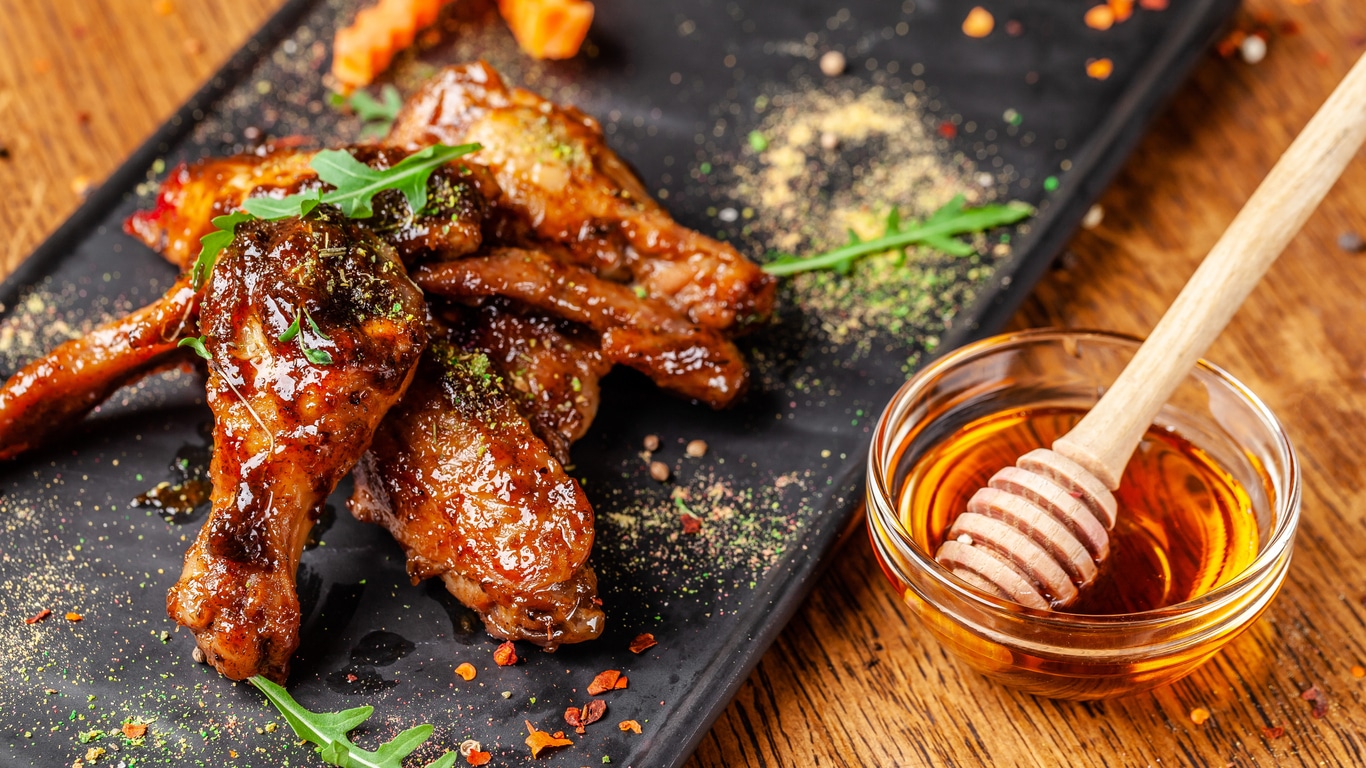
Cooking with honey also influences texture. Its viscosity helps glazes cling to chicken wings, salmon fillets, or roasted carrots. In pan sauces, it adds body without requiring heavy cream or excessive reduction. That natural thickness creates a glossy finish that elevates presentation and flavor.
Aroma is a key player here, too. Heat releases honey’s volatile compounds, filling the kitchen with warm and inviting notes. That sensory element shapes how diners perceive the final dish before they even take a bite.
Where Honey Works Best in Savory Recipes
Marinades offer one of the easiest entry points. Combine raw honey with lime juice, garlic, ginger, soy sauce, or fresh herbs. Honey encourages caramelization when protein hits heat, creating depth and color. Add it in moderation to enhance the flavor without letting it dominate.
Cooking with honey also shines in dressings and sauces. Whisk it into Dijon and red wine vinegar for a vinaigrette that balances bitter greens. Or stir it into a reduction of stock and citrus for a spoonable glaze over pork tenderloin or roasted cauliflower. In stir-fries, a small amount of honey smooths out salty soy and fiery chili paste.
Vegetables benefit from honey’s contrast. Toss Brussels sprouts, carrots, squash, or eggplant with olive oil and spices, roast until tender, then add honey during the final minutes. The sugars caramelize quickly, so timing matters. Watch closely, and adjust heat to avoid bitterness.
Grains and legumes also respond well to honey. A spoonful in a farro salad dressing softens sharp vinaigrette. A touch blended into lentil stew balances earthiness without being too sweet.
RELATED: How to Incorporate More Veggies Into Your Cooking
Layering Honey With Herbs and Spices
Honey works best when it supports bold seasoning. Pair it with thyme, rosemary, smoked paprika, cumin, coriander, or cracked black pepper. These savory elements anchor honey’s sweetness and create depth.
For spicy dishes, combine honey with chili flakes, harissa, gochujang, or fresh jalapeño. The sweetness tempers the spice while allowing flavor to remain vibrant. The balance makes for dynamic dishes.
Garlic and honey create a powerful combination. The pungency of garlic mellows when cooked, and honey rounds it further. Together, they produce glazes and sauces that taste rich and cohesive.
Acid is essential. Lemon juice, tamarind, rice vinegar, and apple cider vinegar prevent honey from feeling heavy. Each component plays a role, and honey ties them all together.
Managing Heat and Timing
Honey caramelizes faster than many cooks expect. Because it contains natural sugars, high heat can push it from golden to burnt in moments. Apply honey-based glazes toward the end of grilling or roasting. In stovetop cooking, remove the pan from direct heat before stirring in honey to preserve its delicate notes.
Control temperature carefully. Medium heat encourages gradual caramelization and prevents scorching. If you’re reducing sauces, concentrate the other liquids first, then add honey as a finishing touch.
Texture requires attention as well, especially if you cook in larger quantities. Raw honey can crystallize over time. Crystallization does not indicate spoilage, but it can complicate measuring and blending. Managing crystallization in bulk raw honey involves temperature and moisture control to keep it smooth, pourable, and consistent for your recipes. If your honey thickens, place the container in warm water, and stir gently until it loosens. Avoid overheating, which can dull the flavor and alter texture.
Using Honey in Savory Baking
Savory baked goods offer another opportunity to integrate cooking with honey thoughtfully. Add a small amount to focaccia dough to encourage browning and subtle depth, or brush honey over savory scones or biscuits before baking to create a lightly caramelized crust. Honey can help baked goods stay tender because it retains moisture. Just adjust liquid ratios slightly, since honey contributes sweetness and hydration. Careful measurement will keep your textures balanced.
RELATED: 10 Fermented Foods to Make at Home For Boosted Flavor and Preservation
Pairing Honey-Driven Dishes With Drinks
Savory dishes that feature honey pair beautifully with a range of beverages. A honey-citrus glaze on grilled fish works well with crisp white wines that carry bright acidity. Spicy honey wings or roasted vegetables complement dry ciders, lagers, or cocktails that highlight citrus and herbal notes.
For richer dishes, such as honey-glazed lamb or duck, choose wines with structure and fruit depth. The sweetness in the glaze should feel integrated but not sugary. Thoughtful drink pairing will enhance the balance you worked to create in the kitchen. Even nonalcoholic options benefit. Sparkling water with fresh herbs, lightly sweetened iced tea, or citrus-forward mocktails can mirror honey’s brightness.
Bringing It All Together
You can layer honey into marinades, whisk it into dressings, brush it onto proteins, fold it into savory baked goods, or finish a sauce with a subtle drizzle. Just focus on proportion, heat control, and balance, and taste continuously. You can adjust salt to sharpen flavor, or add acid if sweetness lingers too long. Introduce spice when you want contrast, and you’ll have a balanced dish.
Cooking with honey in savory dishes builds contrast, sweetness, and depth. With careful timing, thoughtful pairing, and attention to texture, it integrates deliciously into a wide range of flavors and meals and elevates savory cooking with a little creativity.
Read the full article from the original source
