




From Campus to Classroom: Stories That Shape Education
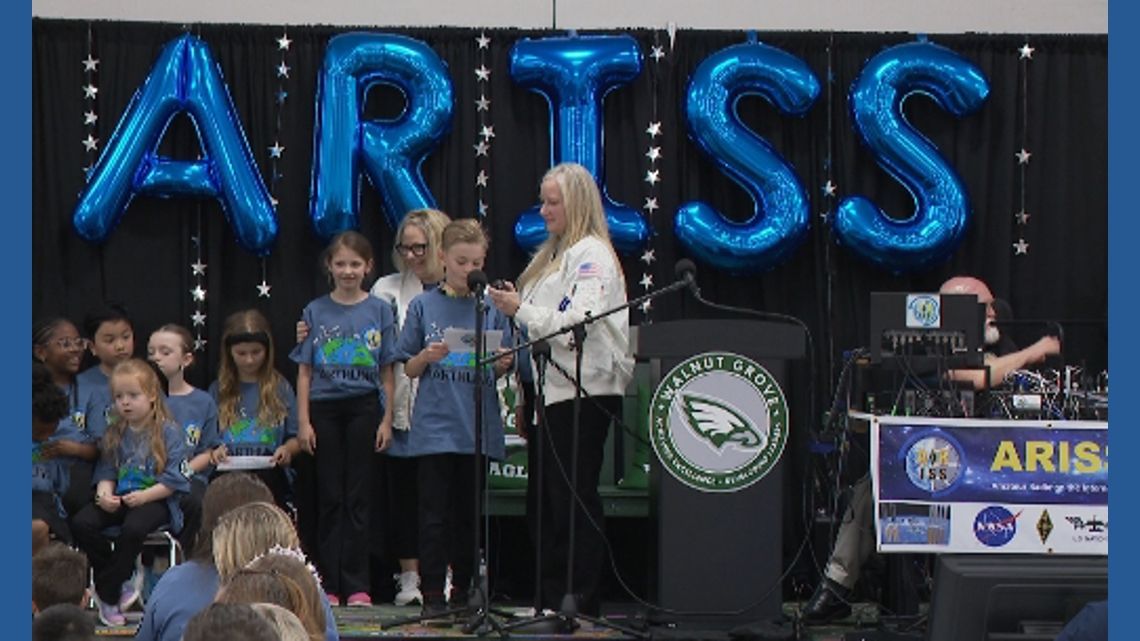
- Walnut Grove Elementary K-5 students connected live with astronaut Christopher Williams aboard the International Space Station.
- School was chosen after the robotics team researched space archaeology and found the ARISS program linking classrooms and astronauts.
- Students partnered with a local amateur radio group, learned Morse code, launched weather balloons and studied radio wave science.
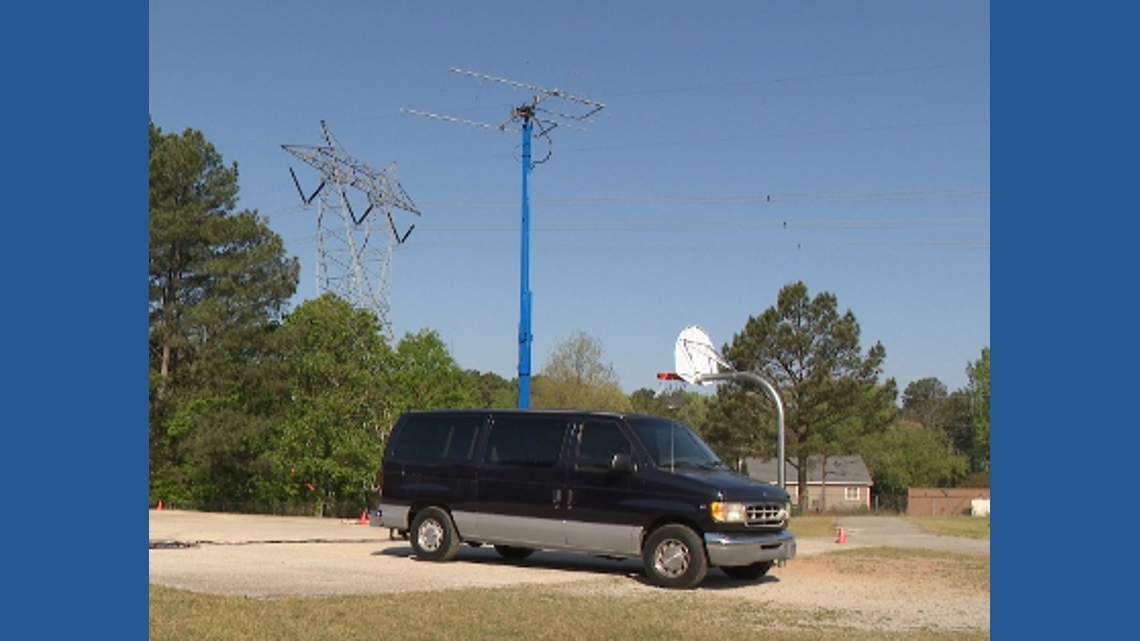
- A 30-foot antenna on the school's blacktop connected the classroom directly to space for the call.
- Laurie Rundqwist praised students' curiosity; children described hearing radio crackle and imagining floating in microgravity.
Students at Walnut Grove Elementary asked 20 questions in real time, bringing space exploration into the classroom in a powerful way
WALNUT GROVE, Ga. — Students at Walnut Grove Elementary School had a once-in-a-lifetime opportunity to connect with space in a way most people never will.
Inside their school, K-5 students spoke directly with an astronaut orbiting Earth aboard the International Space Station, asking questions and hearing answers in real time.
“It was amazing. I am so proud of them. I couldn’t be more proud. They did a phenomenal job,” said STEM specialist Laurie Rundqwist.
Students were able to ask 20 questions during their live contact with astronaut Christopher Williams, who is currently on an eight-month mission aboard the space station.
The opportunity didn’t come by chance.
Rundqwist said the school was selected after students on the robotics team began researching space archaeology and discovered the ARISS program, which connects classrooms with astronauts using amateur radio.
From there, students spent months preparing, building skills and connections to make the moment possible.
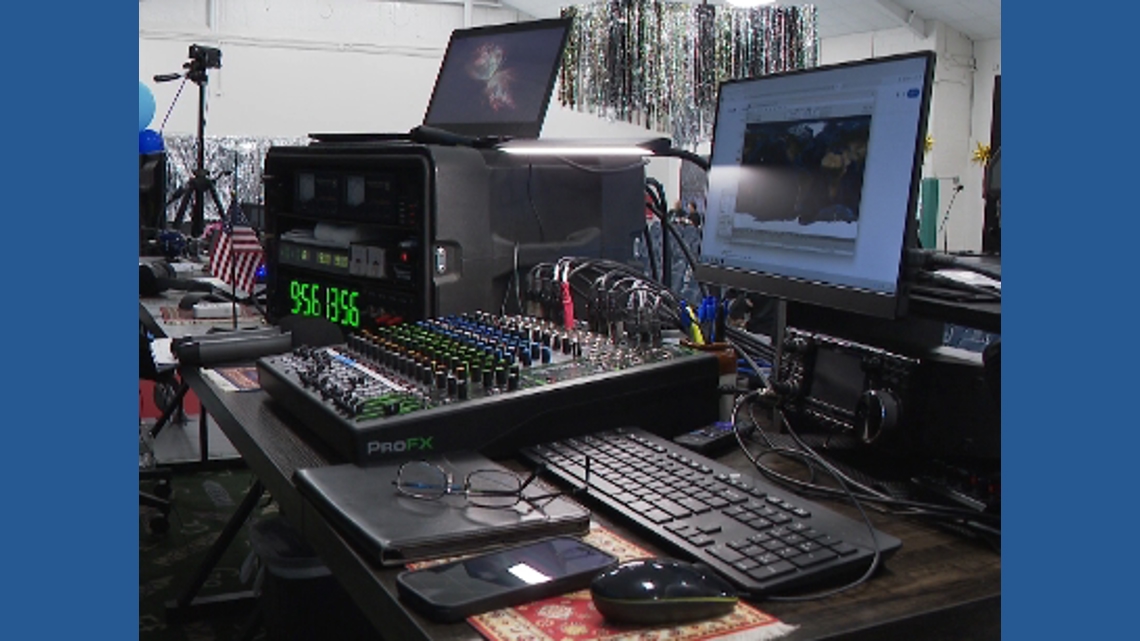
They partnered with a local amateur radio group, learned Morse code, launched weather balloons and studied how radio waves work. On the day of the event, a 30-foot antenna on the school’s blacktop connected them directly to space.
For students, the experience was unforgettable.
“It was amazing. It was everything,” said third grader Paige Jones. “The way you could hear the crackling in the radio, it was so cool.”
“It was a really cool experience to be able to talk to an astronaut and be able to ask him questions,” said student Kaci Vasser. “We could hear his answers in real time … really talk to them.”
She said what stood out most was imagining life in space.
“The fact that they’re in space, they can experience life without any gravity. They can just float around whenever they want, that’s so cool.”
“It was so super cool that we got to talk to the astronauts,” added student Torbin Sanders.
For educators, the moment is about more than just one conversation.
“Any experience you can give a child helps shape the child into who they become in the future,” Rundqwist said. “Our job is to shape these children into incredible earthlings, and to have this experience for kids shapes that curiosity and love of science.”
In Gwinnett County Public Schools, it’s a moment these students and their teachers won’t soon forget.
A chance to connect with space, and start imagining their place in it.
Read the full article on the original site
